The small cosmetics market has exploded in recent years, fuelled by independent formulators, niche skincare lines and viral beauty brands that started life in a kitchen or a spare bedroom. But turning a passion project into a thriving business requires more than great formulations and clever branding. It demands logistics that can keep pace with demand, pricing clarity that protects margins, and marketing that cuts through the noise. This article explores how small cosmetics brands are combining 3PL fulfilment, smart pricing tools, TikTok marketing and SEO to build sustainable growth.
Why Small Cosmetics Brands Need a Reliable 3PL Partner
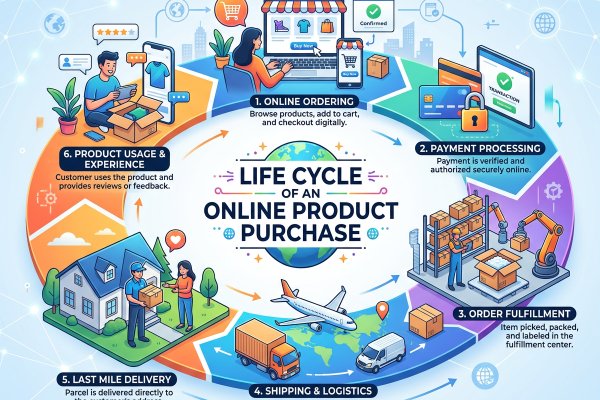
When a cosmetics brand is small, every order matters. A single bad packing experience or a late delivery can cost a customer forever, especially in an industry where unboxing experience and product presentation are part of the appeal. This is where a 3PL (third-party logistics) provider becomes invaluable.
Outsourcing to a dedicated UK Warehouse Fulfilment partner allows founders to focus on product development and marketing instead of getting bogged down in pick, pack and dispatch operations. A good UK 3PL partner should understand the nuances of cosmetics handling, including:
- Careful handling of glass bottles, pumps and delicate packaging
- Managing batch and expiry dates for compliance
- Supporting promotional bundles and gift sets
- Offering specialist beauty storage conditions
Contract Packing for Beauty Brands
Many small cosmetics companies also rely on contract packing services to assemble kits, apply labels, or create limited-edition bundles for seasonal campaigns. This flexibility is essential for brands that need to react quickly to trends without investing in their own packing lines.
Whether a brand is based in London, Manchester, Bristol or further afield, a centrally located Fulfilment Warehouse can service the whole of the UK efficiently. Many cosmetics brands choose a Midlands-based partner specifically because of the logistical advantages of shipping nationwide from a central hub.
Understanding True Costs with a Price Calculator
One of the biggest mistakes small cosmetics brands make is underestimating the true cost of fulfilment. Storage fees, pick and pack charges, courier costs and packaging materials all add up, and without a clear breakdown, margins can quietly disappear.
This is why a transparent price calculator is such a valuable tool. Instead of guessing or relying on vague quotes, brand owners can input their expected order volumes, product dimensions and shipping destinations to get an accurate projection of costs.
What a Good Price Calculator Should Include
- Storage costs based on pallet or shelf space
- Per-order pick and pack fees
- Courier charges for different delivery speeds and destinations
- Options for custom sendouts or promotional inserts
Reviewing pricing examples alongside a calculator helps brands benchmark their expected spend against real-world scenarios, which is particularly useful when forecasting growth or preparing for a big TikTok-driven sales spike.
TikTok: The Growth Engine for Small Cosmetics Brands
It's no secret that TikTok has become one of the most powerful discovery platforms for beauty products. A single viral video showcasing a lip oil, serum or highlighter can send orders through the roof overnight. For small cosmetics brands, this presents both an enormous opportunity and a serious operational challenge.
The TikTok Effect on Fulfilment
When a product goes viral, order volumes can increase by 10x or more within days. Brands without a scalable fulfilment solution often struggle to keep up, leading to delayed shipments, frustrated customers and damaged reputations. This is precisely why many TikTok-famous beauty brands partner with a UK 3PL Fulfilment provider that can flex capacity up or down as needed.
Key considerations for TikTok-driven cosmetics brands include:
- Having enough stock buffer to handle sudden demand spikes
- Working with a fulfilment partner who offers B2C and D2C fulfilment at scale
- Ensuring fast courier dispatch to maintain customer satisfaction
- Using stock traceability tools to avoid overselling
Creating Content That Converts
Beyond logistics, TikTok success depends on authentic content. Brands that perform well typically post unboxing videos, ingredient breakdowns, and before-and-after transformations. Collaborating with micro-influencers in cities like Birmingham, Leeds or Glasgow can help diversify reach across different UK audiences, even though fulfilment itself is centralised through a single trusted partner.
SEO: Building Long-Term Visibility Beyond Viral Moments
While TikTok can deliver explosive short-term growth, SEO is what sustains a cosmetics brand over the long run. Viral trends fade, but a well-optimised website continues to attract organic traffic month after month.
On-Page SEO Essentials for Cosmetics Brands
Small cosmetics businesses should focus on:
- Writing detailed, keyword-rich product descriptions
- Optimising images with descriptive alt text
- Publishing blog content around skincare routines, ingredient education and trend round-ups
- Ensuring fast page load speeds, which is partly influenced by clean data flow and system integrations between the website and fulfilment partner
Local and National SEO Considerations
Many cosmetics brands benefit from targeting both national and location-specific search terms. For example, a brand might target customers searching for