Top 10 Secrets: How D2C Brands Slash Costs Dramatically!
The Direct-to-Consumer revolution has transformed retail, but success hinges on one critical factor: controlling operational costs. From thriving hubs like Nottingham to major distribution centres across the UK, smart D2C brands are discovering innovative ways to reduce expenses without compromising service quality. At the heart of these cost-saving strategies lies an often-overlooked hero: the humble picking bin.
In this comprehensive guide, we'll reveal the top 10 strategies that successful D2C brands employ to maintain profitability while delivering exceptional customer experiences. Whether you're launching a startup in Nottingham or scaling operations nationwide, these insights will help you optimize your fulfilment operations.
1. Strategic Location Selection: The Nottingham Advantage
Location matters enormously in UK Fulfilment operations. While major cities like Manchester, Birmingham, and London often dominate discussions, savvy D2C brands are discovering the advantages of strategic midlands locations.
Nottingham offers exceptional connectivity through the M1 corridor, placing businesses within reach of approximately 90% of the UK population within a four-hour delivery window. This geographical sweet spot reduces shipping costs significantly compared to peripheral locations.
Key Location Considerations:
- Proximity to major transport networks
- Labour availability and cost competitiveness
- Commercial property rates compared to London or Edinburgh
- Access to skilled workforce from local universities
- Regional courier hub accessibility
2. Implementing Efficient Picking Bin Systems
The picking bin system represents one of the most cost-effective warehouse optimization strategies available to D2C operations. Unlike expensive automated systems requiring substantial capital investment, picking bins offer immediate efficiency gains at minimal cost.
A well-designed picking bin configuration can increase picking speed by 40-60%, dramatically reducing labour costs—typically the largest expense in UK 3PL operations. These simple yet effective tools enable pickers to batch multiple orders simultaneously, reducing warehouse travel time and increasing throughput.
Picking Bin Best Practices:
- Color-coded systems for different order types or priorities
- Ergonomic trolley-mounted bins reducing physical strain
- Compartmentalized bins for multi-item order batching
- Standardized bin sizes for consistent workflow
- Regular maintenance and replacement schedules
3. Leveraging Technology Without Breaking the Bank
Modern D2C brands don't need enterprise-level warehouse management systems to succeed. Low-cost technology solutions can deliver 80% of the benefits at 20% of the price.
Cloud-based inventory management platforms, mobile scanning apps, and API integrations provide real-time visibility without massive infrastructure investments. The key is selecting scalable solutions that grow with your business, particularly important for emerging brands in regions like Bristol, Leeds, or Newcastle.
4. Optimizing Packaging Materials and Processes
Packaging represents a significant ongoing expense for D2C operations. Smart brands are discovering that contract packing partnerships and bulk purchasing can reduce per-unit costs by 30-50%.
Consider implementing:
- Standardized box sizes to reduce inventory complexity
- Eco-friendly materials that customers value
- Right-sizing algorithms to minimize dimensional weight charges
- Branded packaging that doubles as marketing
- Bulk purchasing agreements with multiple suppliers
5. Batch Picking Methodology for Maximum Efficiency
The batch picking methodology transforms warehouse productivity, and picking bins make it possible. Instead of completing orders individually, warehouse staff pick multiple orders simultaneously, grouping products by warehouse location rather than order.
This approach, commonly used by sophisticated UK Warehouse operations, can triple picking efficiency. A picker carries multiple picking bins—each designated for a specific order—collecting items for all orders in a single warehouse traverse.
Batch Picking Implementation Steps:
- Analyze order patterns to identify optimal batch sizes
- Configure warehouse management system for batch generation
- Train staff on new picking methodologies
- Establish quality control checkpoints
- Monitor metrics and continuously optimize
6. Strategic Partnership with Flexible 3PL Providers
Many D2C brands struggle with the build-versus-partner decision. For most emerging businesses, partnering with an experienced Fulfilment Warehouse provider delivers better economics than building internal capabilities.
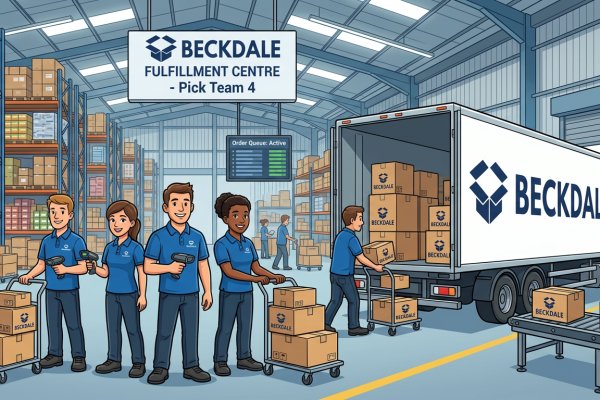
The right 3PL partnership provides access to established infrastructure, trained personnel, and proven systems without capital expenditure. Based in Leicester, providers like www.beckdaleshipping.co.uk offer scalable solutions that accommodate seasonal fluctuations without long-term commitments—crucial for brands testing markets in regions from Glasgow to Southampton.
7. Inventory Positioning and SKU Rationalization
Strategic inventory management directly impacts both costs and service levels. Low-cost operations don't mean minimal inventory; they mean smart inventory positioning.
Implementing ABC analysis identifies which products drive revenue and deserve prime picking locations. Fast-moving items positioned nearest packing stations reduce picking time, while slower-moving SKUs can occupy less accessible areas. This simple reorganization, supported by appropriate picking bin configurations, can reduce labour costs by 15-25%.
Inventory Optimization Strategies:
- Regular SKU performance reviews and rationalization
- Seasonal inventory planning to avoid overstocking
- Consignment arrangements with suppliers where possible
- Stock traceability systems preventing waste
- Just-in-time receiving for high-velocity products
8. Multi-Channel Shipping Strategy Optimization
Shipping costs can devastate D2C margins if not carefully managed. The most successful brands implement sophisticated courier services strategies that balance speed, cost, and customer expectations.
Rather than defaulting to premium carriers for all shipments, implement rule-based shipping logic: economy services for non-urgent orders, premium options for time-sensitive deliveries, and regional carrier optimization. A Nottingham-based operation might use different carriers for Scotland deliveries versus Cornwall shipments, optimizing for each carrier's strengths.
9. Returns Management and Reverse Logistics
Returns represent a significant cost centre for D2C brands, particularly in sectors like clothing and beauty products. Efficient returns processing using dedicated picking bins can reduce handling costs by 40% compared to ad-hoc approaches.
Establish a systematic returns workflow:
- Designated receiving area with inspection picking bins
- Quick quality assessment protocols
- Fast restocking procedures for saleable items
- Clear disposal processes for damaged goods
- Data capture for trend analysis and prevention
10. Continuous Process Improvement Culture
The final secret isn't a single technique but an organizational philosophy: continuous improvement. The most cost-effective operations constantly question existing processes, seeking incremental gains that compound over time.
Regular time-and-motion studies reveal inefficiencies invisible to daily operators. Even simple changes—like repositioning picking bins, adjusting pick paths, or modifying packing station layouts—can yield surprising productivity gains.
Building Your Improvement Framework:
- Weekly team feedback sessions capturing frontline insights
- Monthly metric reviews comparing performance trends
- Quarterly process audits identifying optimization opportunities
- Benchmarking against industry standards
- Investment in staff training and development
Implementing Your Cost-Reduction Strategy
These ten strategies work synergistically—implementing several simultaneously amplifies results. A D2C brand operating from Nottingham might combine efficient picking bin systems (#2) with batch picking methodology (#5) and strategic 3PL partnership (#6) to achieve remarkable cost reductions.
The beauty of these approaches lies in their accessibility. Unlike complex automation requiring millions in capital investment, these strategies deliver immediate returns with minimal upfront costs. Whether you're fulfilling FBA orders, managing B2B fulfilment, or shipping directly to consumers, these principles apply universally.
The Picking Bin Revelation
Throughout these strategies, one element appears repeatedly: the picking bin. This simple tool exemplifies the low-cost, high-impact philosophy that separates successful D2C operations from struggling competitors. While competitors invest in expensive automation, smart brands extract maximum value from proven, affordable solutions.
Picking bins facilitate batch picking, organize returns processing, support quality control, and enable efficient warehouse organization—all for a fraction of the cost of sophisticated automation systems. They represent the practical innovation that defines successful modern fulfilment operations across the UK, from Cardiff to Aberdeen.
Your Next Steps
Reducing D2C fulfilment costs doesn't require revolutionary changes or massive investments. It requires strategic thinking, systematic implementation, and commitment to continuous improvement. Start by assessing your current operations against these ten strategies, identifying quick wins that deliver immediate impact.
For brands seeking expert guidance, partnering with experienced UK 3PL Fulfilment providers offers access to established best practices and proven systems. Whether you're handling food products requiring special handling or managing expiry date tracking, specialist providers bring invaluable expertise.
The D2C landscape grows increasingly competitive, but brands implementing these cost-optimization strategies position themselves for sustainable profitability and growth. Your competitive advantage lies not in spending more, but in spending smarter—leveraging proven, low-cost solutions like picking bins and strategic partnerships to deliver exceptional value.
Ready to transform your fulfilment operations? Explore detailed pricing examples or use the pricing calculator to understand potential savings. The path to low-cost, high-efficiency D2C fulfilment starts with informed decisions and strategic partnerships.