UK Fulfilment Solutions: From Startups to Enterprise Success
The landscape of UK fulfilment has evolved dramatically in recent years, driven by the explosive growth of ecommerce and changing consumer expectations. Whether you're a budding entrepreneur shipping your first hundred orders or an established enterprise processing thousands of transactions daily, finding the right fulfilment partner can make or break your business success. Understanding the nuances of B2C fulfilment, cost structures, and scalability is essential for businesses at every stage of growth.
The Rise of B2C Fulfilment in the UK Market
The shift from traditional retail to direct-to-consumer sales has transformed how businesses approach logistics and order fulfilment. Business to Consumer (B2C) fulfilment requires a fundamentally different approach compared to bulk B2B shipments. Customers expect fast delivery, accurate order processing, and professional presentation – all while businesses strive to maintain competitive pricing.
Modern consumers browsing online stores in Manchester, Birmingham, or London have become accustomed to next-day delivery options and real-time tracking updates. This expectation extends nationwide, meaning that your UK 3PL partner must have the infrastructure and expertise to meet these demanding service levels consistently. The challenge becomes even more pronounced when dealing with high-volume small product fulfilment, where margins are tight and efficiency is paramount.
What Makes B2C Fulfilment Unique
Unlike B2B operations that might ship pallets to retail locations, B2C fulfilment involves processing individual orders destined for residential addresses across the country. This requires:
- Individual order picking and packing with attention to presentation and accuracy
- Diverse packaging solutions suitable for various product types and sizes
- Multiple courier integrations to offer customers delivery options
- Returns management systems to handle the inevitable product returns
- Real-time inventory synchronization with ecommerce platforms
Low-Cost Fulfilment: Making Economics Work for Growing Businesses
For many businesses, particularly those in their growth phase, finding low-cost fulfilment solutions that don't compromise on quality represents a critical challenge. The economics of fulfilment can be complex, with various cost components that need careful consideration.
Understanding the True Cost of Fulfilment
When evaluating pricing structures, businesses should look beyond headline rates and consider the complete cost picture:
- Storage fees: Typically charged per pallet or cubic meter, varying by location and facility specifications
- Pick and pack charges: Per-item fees for retrieving products and preparing orders
- Shipping costs: Variable depending on carrier, service level, and destination
- Inbound receiving: Costs associated with accepting and processing new stock
- Technology fees: Platform access, integration, and reporting capabilities
- Value-added services: Custom packaging, gift wrapping, promotional inserts, or contract packing
A transparent UK 3PL fulfilment provider will offer detailed breakdowns of these costs, allowing businesses to model their expenses accurately. Many providers now offer pricing examples and calculators to help businesses understand their potential costs before committing.
Strategies for Reducing Fulfilment Costs
Smart businesses can implement several strategies to minimize fulfilment expenses without sacrificing service quality:
Optimize product packaging: Reducing package dimensions can significantly impact shipping costs. Working with your fulfilment provider to identify the most cost-effective packaging for small products can yield substantial savings, particularly for high-volume items shipped across the UK from cities like Leeds to Glasgow or Bristol to Edinburgh.
Consolidate inventory: Rather than splitting stock across multiple locations, consolidating with a single UK warehouse can reduce complexity and overhead costs while maintaining service levels through efficient courier networks.
Leverage technology: Advanced data flow integrations eliminate manual processing, reducing errors and labor costs while improving order accuracy and processing speed.
Enterprise Fulfilment: Scaling Operations for Major Growth
As businesses grow from startup to enterprise scale, their fulfilment requirements become increasingly sophisticated. Enterprise-level fulfilment demands robust systems, redundancy, and the capacity to handle significant volume fluctuations while maintaining service quality.
Key Requirements for Enterprise Fulfilment
Large-scale operations require fulfilment warehouse partners who can deliver on several critical capabilities:
Scalability and flexibility: Enterprise businesses often experience dramatic seasonal variations. A peak period for beauty products during the holiday season or a viral product launch can multiply order volumes overnight. Your fulfilment partner must have the warehouse space, staffing capacity, and systems to scale operations rapidly without compromising accuracy or delivery times.
Multi-channel capability: Enterprise businesses typically sell through numerous channels simultaneously – their own website, Amazon (both FBA and FBM), eBay, and retail partnerships. The ability to manage inventory across these channels while preventing overselling requires sophisticated stock traceability systems.
Compliance and quality assurance: Enterprise businesses, particularly those in regulated sectors like food or cosmetics, need fulfilment partners who understand compliance requirements. This includes proper handling of batch numbers and expiry dates, maintaining appropriate storage conditions, and documenting product movements for regulatory purposes.
The Leicester Advantage for National Distribution
Location matters significantly in fulfilment operations. Leicester's central position in the UK makes it an ideal hub for nationwide distribution. From a Leicester-based website fulfilment center, businesses can reach customers in Newcastle, Cardiff, Southampton, or Aberdeen with equal efficiency. This geographic advantage translates to faster delivery times and reduced shipping costs across all UK regions.
Small Products: Specialized Fulfilment Considerations
While small products might seem straightforward to fulfill, they present unique challenges and opportunities that require specialized approaches. Items like jewelry, cosmetics, supplements, phone accessories, or craft supplies require careful handling despite their compact size.
Advantages of Small Product Fulfilment
Businesses shipping small products enjoy several inherent advantages:
- Lower storage costs: Compact products maximize warehouse space efficiency, reducing per-unit storage fees
- Reduced shipping expenses: Lighter packages qualify for economical postal services rather than expensive courier options
- International shipping viability: Small, lightweight items are cost-effective to ship internationally, expanding market reach
- Simplified returns processing: Smaller items are easier and cheaper to return, improving customer satisfaction
Challenges and Solutions
Small product fulfilment also presents specific challenges that experienced providers address through specialized processes:
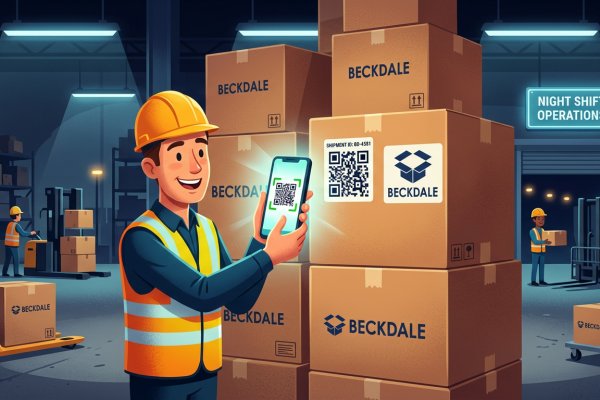
Inventory accuracy: Small items are easily miscounted or misplaced. Professional UK fulfilment operations employ barcode scanning and regular cycle counts to maintain inventory accuracy. Advanced warehouses use bin location systems to ensure products are stored logically and retrieved efficiently.
Security concerns: High-value small items like jewelry or electronics require enhanced security measures. Look for fulfilment partners with secure storage areas, CCTV coverage, and controlled access systems to protect valuable inventory.
Packaging presentation: Small products still require professional presentation. Many customers receiving clothing or beauty items expect branded packaging and a premium unboxing experience. Quality fulfilment providers offer custom sendout services to enhance brand perception.
Choosing the Right Fulfilment Partner
Selecting a fulfilment provider represents a significant business decision that impacts customer satisfaction, operational efficiency, and profitability. Whether you're a startup seeking low-cost entry into professional fulfilment or an enterprise requiring sophisticated multi-channel capabilities, several factors should guide your decision.
Essential Evaluation Criteria
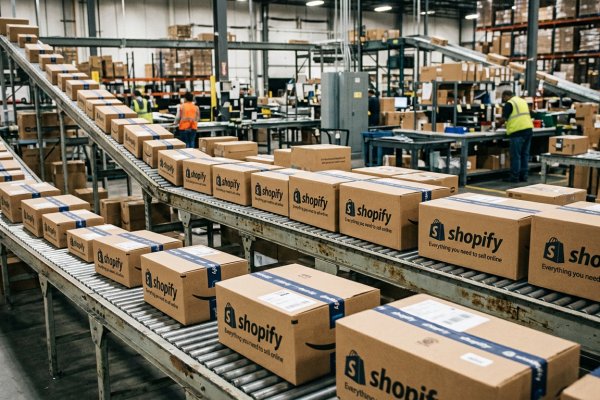
Technology integration: Your fulfilment provider should integrate seamlessly with your existing systems. Whether you operate a Shopify store, WooCommerce site, or custom ecommerce platform, smooth data exchange is essential. The best providers offer robust APIs and pre-built integrations that automate order flow and inventory updates.
Service level agreements: Clear SLAs defining processing times, accuracy rates, and performance metrics protect both parties. Look for providers who commit to specific same-day or next-day processing windows and maintain high accuracy rates above 99.5%.
Scalability pathway: Your fulfilment partner should grow with your business. Start with basic pick and pack services, then expand into value-added services like TV shopping channel packing or specialized food product handling as your business evolves.
Transparent pricing: Avoid providers with hidden fees or complex pricing structures. The best fulfilment companies offer straightforward pricing that allows you to calculate costs accurately and model different business scenarios.
Questions to Ask Potential Partners
Before committing to a UK 3PL provider, consider these important questions:
- What is your average order accuracy rate, and how do you handle errors?
- What are your peak season capabilities and historical performance during high-volume periods?
- Which courier services do you integrate with, and how are shipping rates calculated?
- How do you handle inventory discrepancies, and what recourse do clients have?
- What reporting and analytics capabilities does your platform provide?
- How do you manage returns processing and restocking?
- What security measures protect inventory and customer data?
The Future of UK Fulfilment
The fulfilment industry continues evolving rapidly, driven by technological innovation and changing consumer expectations. Businesses partnering with forward-thinking providers position themselves for success in an increasingly competitive marketplace.
Automation and robotics are transforming warehouse operations, enabling faster processing and higher accuracy rates. Sustainable packaging solutions are becoming standard as consumers and businesses prioritize environmental responsibility. Same-day delivery is expanding beyond major cities like Liverpool and Nottingham to serve customers throughout the UK.
For businesses of all sizes, from startups shipping their first orders to enterprises managing complex multi-channel operations, professional shipping services and fulfilment partnerships offer the expertise, infrastructure, and scalability needed to compete effectively in today's demanding ecommerce environment.
Conclusion
Success in ecommerce requires more than just great products and effective marketing. The operational backbone of order fulfilment can determine whether customers become loyal advocates or disappointed critics. By understanding the distinct requirements of B2C fulfilment, implementing cost-effective strategies, planning for enterprise-scale growth, and addressing the unique considerations of small product handling, businesses can build a fulfilment operation that supports sustainable growth.
Whether you're just starting your ecommerce journey or scaling an established enterprise, partnering with an experienced UK warehouse provider offers access to professional infrastructure, expertise, and technology that would be prohibitively expensive to develop internally. The right fulfilment partnership transforms logistics from a operational headache into a competitive advantage, freeing you to focus on what you do best – developing great products and building your brand.