How Fulfilment Warehouses Handle Small Products for E-commerce
In the rapidly expanding world of e-commerce, small products represent a significant portion of online sales. From beauty accessories and jewellery to electronics components and craft supplies, these compact items require specialized handling within UK Fulfilment operations. Understanding how professional warehouses manage small products can help online sellers make informed decisions about their logistics partners, particularly when selling through platforms like Shopify or Amazon.
The Unique Challenges of Small Product Fulfilment
Small products present distinct challenges that differ significantly from larger inventory items. Their diminutive size makes them easier to misplace, more vulnerable to damage, and potentially more time-consuming to locate and pick. For businesses operating in competitive markets like Birmingham and surrounding areas, efficient handling of these items becomes crucial to maintaining profitability and customer satisfaction.
Space Optimization and Storage Solutions
One of the primary advantages of small products in a fulfilment warehouse environment is their space efficiency. A professional UK Warehouse operation utilizes specialized storage systems designed specifically for compact inventory:
- Bin systems: Small compartmentalized units that organize products by SKU, making location and retrieval quick and accurate
- Vertical storage: Multi-tier shelving that maximizes cubic space rather than just floor space
- Climate-controlled zones: Dedicated areas for temperature-sensitive small items like cosmetics or supplements
- Security features: Enhanced protection for high-value small products such as jewellery or electronics
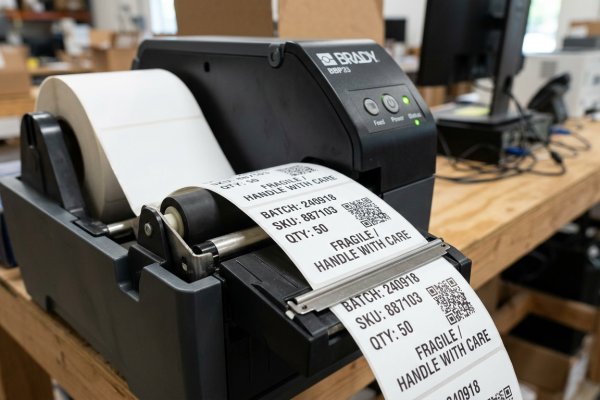
- Barcode systems: Digital tracking that prevents loss and enables real-time inventory monitoring
Shopify Integration for Small Product Sellers
Shopify has become the platform of choice for thousands of UK entrepreneurs, particularly those selling smaller items with higher margins. The integration between Shopify stores and B2C fulfilment services has revolutionized how small businesses compete with larger retailers.
Seamless Order Processing
When a customer places an order on a Shopify store, the information flows automatically to the UK 3PL partner through API integrations. This automation is particularly beneficial for small product sellers because:
The order details appear instantly in the warehouse management system, triggering the picking process. For businesses based in Birmingham or selling to Midlands customers, this means same-day dispatch is often achievable. The warehouse team receives precise location data for each small item, reducing pick times from minutes to seconds.
Real-Time Inventory Synchronization
Perhaps the most critical feature for Shopify sellers of small products is live inventory tracking. When warehouse stock levels change, Shopify automatically updates product availability. This prevents overselling—a common problem with small, fast-moving items that can quickly sell out. Businesses throughout the UK, from Birmingham to Manchester, benefit from this synchronized approach that maintains customer trust and reduces administrative burden.
Amazon Fulfilment Options for Small Products
Amazon dominates UK e-commerce, and sellers of small products have two primary fulfilment pathways: Fulfilled by Amazon (FBA) and Fulfilled by Merchant (FBM). Each approach offers distinct advantages depending on your business model and product characteristics.
Understanding FBA for Small Items
Fulfilled By Amazon (FBA) allows sellers to send inventory to Amazon's warehouses, where the retail giant handles storage, picking, packing, and shipping. For small products, this means:
- Access to Amazon Prime customers who prioritize fast delivery
- Reduced shipping costs due to Amazon's negotiated carrier rates
- Professional handling with Amazon's established infrastructure
- Multi-channel fulfilment potential beyond just Amazon sales
However, FBA isn't always ideal for every small product seller. Storage fees can erode margins on slow-moving items, and sellers lose direct control over packaging presentation and quality control. Many Birmingham-based businesses find that combining FBA for high-velocity items with alternative fulfilment for slower products creates the optimal balance.
The FBM Alternative
Amazon Fulfilled By Merchant (FBM) represents an increasingly popular alternative, especially for sellers working with dedicated UK 3PL Fulfilment partners. This approach means inventory stays with your chosen warehouse—potentially in Leicester, serving Birmingham, London, and nationwide—while you maintain Amazon seller status.
FBM advantages for small products include greater control over packaging, the ability to include branded materials or samples, more flexible inventory management, and often lower costs for slower-moving SKUs. Professional fulfilment warehouses with Amazon expertise can achieve delivery speeds that rival FBA while maintaining your brand identity throughout the customer experience.
Birmingham's Strategic Fulfilment Advantage
Birmingham's geographical position makes it a strategic consideration for e-commerce fulfilment. Located in the heart of England, the city offers excellent transport links to all UK regions, making it an attractive hub for businesses targeting nationwide delivery.
Regional Market Considerations
For sellers of small products, Birmingham's central location means that next-day delivery becomes economically viable for the majority of UK postcodes. This is particularly valuable when competing against Amazon Prime's delivery promise. Businesses based in or near Birmingham can leverage local Website Fulfilment partnerships while maintaining competitive delivery times to Scotland, Wales, and southern England alike.
The Midlands region also hosts a significant manufacturing base for small products, from clothing accessories to industrial components. This proximity between production and fulfilment reduces transit times and costs, improving overall supply chain efficiency.
Picking and Packing Precision for Small Items
The picking process—locating and retrieving specific items from warehouse storage—represents the most labour-intensive aspect of fulfilment. For small products, accuracy becomes paramount because errors are harder to spot and potentially more costly relative to item value.
Advanced Picking Technologies
Modern fulfilment warehouses employ various technologies to ensure picking accuracy for small products:
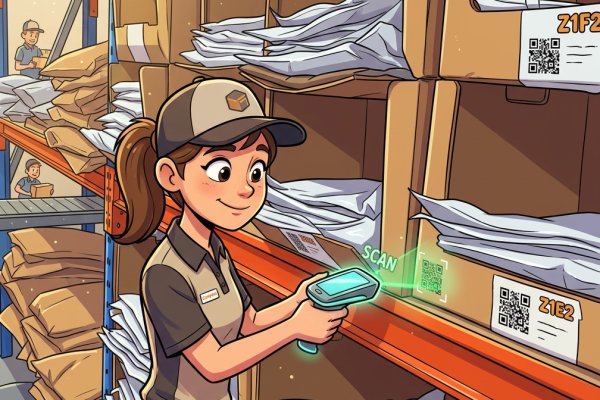
- Barcode scanning: Every item and location gets scanned, creating a digital audit trail that virtually eliminates picking errors
- Pick-to-light systems: LED indicators guide warehouse staff to exact bin locations, reducing search time
- Batch picking: Multiple orders for the same small item get picked simultaneously, improving efficiency
- Quality checkpoints: Verification stages confirm correct items before packing begins
Packaging Considerations
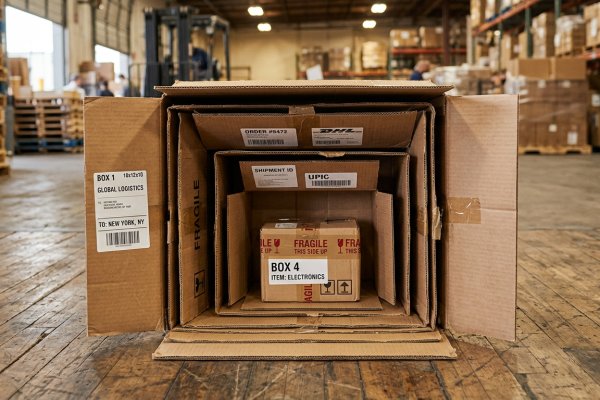
Small products require thoughtful packaging approaches. Oversized boxes waste money on materials and shipping costs, while undersized packaging risks damage. Professional contract packing services understand these nuances, selecting appropriately sized options that balance protection with economy.
Many small product sellers discover that custom packaging enhances brand perception. A jewellery piece arriving in a branded box with tissue paper creates a vastly different customer experience than the same item in a plain poly mailer. Custom sendout services enable even small businesses to compete on presentation quality.
Shipping and Courier Selection
The final mile—getting small products from warehouse to customer—requires careful carrier selection. Different courier services offer varying advantages depending on product value, destination, and speed requirements.
Cost-Effective Shipping Strategies
Royal Mail's letter and small parcel services often provide the most economical solution for lightweight, low-value items. Products under 100g can ship for minimal cost, preserving margins on competitively priced items. For higher-value small products requiring tracking and insurance, courier services like DHL or UPS become more appropriate despite higher costs.
Professional UK fulfilment providers negotiate volume discounts with multiple carriers, passing savings to clients. A business shipping 50 small parcels daily from Leicester to destinations across the UK, including Birmingham and beyond, can achieve per-unit shipping costs that individual sellers cannot match.
Inventory Management and Stock Control
Small products present unique inventory management challenges. Their compact size makes physical stock counts more time-consuming, while fast turnover rates require frequent replenishment monitoring.
Technology-Driven Solutions
Stock traceability systems track every unit from receiving through dispatch. For products with batch numbers or expiry dates—common with beauty products, supplements, and food items—this capability ensures proper FIFO (first-in, first-out) rotation and regulatory compliance.
Automated reorder alerts notify sellers when stock levels approach predetermined thresholds, preventing stockouts that damage sales velocity on platforms like Amazon and Shopify. This proactive approach is particularly valuable for small products with unpredictable demand patterns.
Choosing the Right Fulfilment Partner
Selecting a fulfilment warehouse for small products requires evaluating several critical factors beyond basic storage and shipping capabilities.
Essential Selection Criteria
Consider these aspects when evaluating potential partners:
- Technology integration: Seamless connection with your Shopify store, Amazon seller account, or other sales channels
- Accuracy rates: Picking and packing error rates below 0.1% for small items
- Scalability: Ability to handle volume fluctuations during peak seasons
- Geographic location: Proximity to your customer base or manufacturing facilities
- Specialized services: Capabilities like B2B fulfilment if you serve both retail and wholesale channels
- Transparent pricing: Clear fee structures without hidden charges
Many businesses find that pricing calculators and concrete examples help compare options objectively, removing ambiguity from cost projections.
Conclusion: Optimizing Small Product Fulfilment
Successfully managing small product fulfilment requires specialized expertise, appropriate technology, and strategic planning. Whether you're a Shopify seller in Birmingham shipping beauty accessories nationwide, or an Amazon merchant evaluating FBA versus FBM options, partnering with an experienced UK 3PL provider transforms logistics from a challenge into a competitive advantage.
The right fulfilment warehouse brings efficiency to your operations, accuracy to your order processing, and professionalism to your customer experience. As e-commerce continues evolving, businesses that prioritize strategic fulfilment partnerships position themselves for sustainable growth and market success, regardless of product size or sales channel.