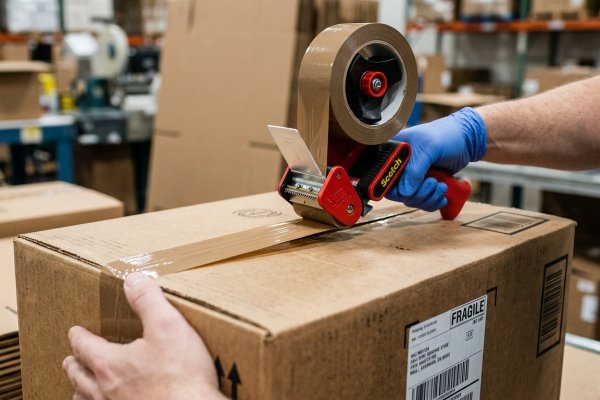
Fulfilment Warehouse Small Product Solutions
The e-commerce landscape has transformed dramatically over the past decade, with consumers expecting faster delivery times and seamless shopping experiences. At the heart of this revolution lies the fulfilment warehouse, a sophisticated operation that bridges the gap between online retailers and their customers. For businesses dealing with small products and direct-to-consumer sales, understanding the intricate world of warehouse fulfilment, haulier partnerships, and platforms like Amazon's FBM service is essential for sustainable growth.
The Rise of B2C Fulfilment Operations
Business-to-consumer operations have experienced exponential growth, fundamentally changing how products move from manufacturer to end customer. Unlike traditional B2B models where goods are shipped in bulk to retail locations, B2C fulfilment requires precision, speed, and flexibility to meet individual consumer expectations.
Modern UK Fulfilment centres have evolved to accommodate this shift, implementing sophisticated systems that can process hundreds or thousands of individual orders daily. Cities like Manchester, Birmingham, London, and Leicester have become strategic hubs for these operations, with Leicester particularly standing out due to its central location and excellent transport links.
Understanding B2C Complexity
The complexity of B2C operations extends far beyond simply picking and packing items. A comprehensive UK 3PL operation must manage:
- Variable order volumes: Seasonal fluctuations and promotional campaigns can multiply order volumes overnight
- Individual packaging requirements: Each customer order requires appropriate protective packaging and presentation
- Returns management: Consumer rights legislation means efficient reverse logistics are essential
- Real-time inventory tracking: Accurate stock levels prevent overselling and customer disappointment
- Multi-channel integration: Orders flow from websites, marketplaces, and social commerce platforms simultaneously
Optimizing Small Product Fulfilment
Small products present unique opportunities and challenges within warehouse operations. Items such as cosmetics, jewelry, supplements, phone accessories, and craft supplies may be diminutive in size, but they demand meticulous handling and specialized storage solutions.
Storage Efficiency for Small Items
A well-designed Fulfilment Warehouse maximizes vertical space and implements high-density storage systems for small products. Bin locations, drawer systems, and automated retrieval mechanisms ensure that even the smallest items can be located, picked, and dispatched efficiently. This approach is particularly important for businesses operating across multiple sectors, from beauty products to small clothing accessories.
The advantage of working with a specialist operation lies in their understanding of inventory velocity. Fast-moving items are positioned in easily accessible locations, while slower-moving stock is stored in secondary areas. This strategic placement reduces pick times and increases overall throughput.
Accuracy and Quality Control
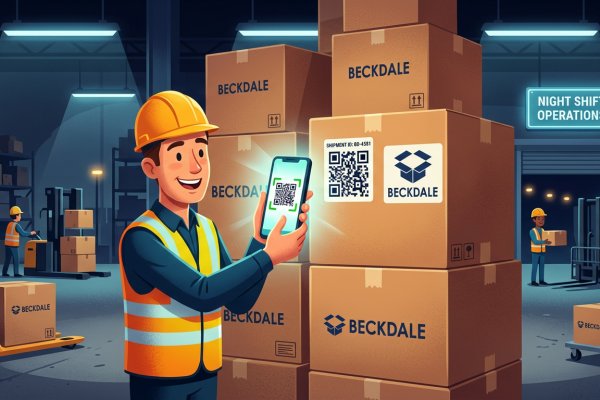
When dealing with small products, the margin for error narrows significantly. A misplaced item or incorrect pick can easily occur if systems aren't robust. Leading UK Warehouse operations employ barcode scanning technology, weight verification, and photographic confirmation to ensure accuracy rates exceed 99.5%.
For products with specific requirements such as batch tracking or expiry dates—common with food items and supplements—advanced batch and expiry management systems become critical. These systems ensure FIFO (First In, First Out) protocols are maintained and compliance requirements are met.
The Haulier Connection: Moving Goods Efficiently
While much attention focuses on warehouse operations, the relationship between fulfilment centers and hauliers forms the backbone of the supply chain. A haulier—the transportation provider responsible for moving goods between locations—plays a crucial role in ensuring inventory arrives at the warehouse and orders reach customers on time.
Inbound Logistics and Haulier Coordination
Before any product can be fulfilled, it must first arrive at the warehouse. Professional UK 3PL Fulfilment operations maintain strong relationships with multiple hauliers, ensuring flexibility and competitive rates for inbound shipments. Whether goods arrive from domestic suppliers or international ports like Southampton, Felixstowe, or Dover, coordinated scheduling prevents bottlenecks and ensures smooth receiving operations.
The integration between warehouse management systems and haulier tracking allows for accurate arrival predictions. This enables warehouse staff to allocate resources appropriately, ensuring that when a pallet or container arrives, it can be unloaded, checked, and processed efficiently.
Outbound Distribution Networks
For outbound shipments, the choice of haulier depends on the destination, urgency, and package size. A comprehensive shipping service portfolio includes options ranging from economy postal services to premium next-day courier deliveries.
Many businesses across England, Scotland, Wales, and Northern Ireland benefit from consolidated shipping arrangements where a fulfilment warehouse aggregates multiple orders before handing them to courier services. This approach secures preferential rates that individual small businesses couldn't negotiate independently, passing savings directly to the client.
Amazon FBM: Merchant Fulfilment Done Right
Amazon dominates UK e-commerce, and while many sellers opt for FBA (Fulfilled By Amazon), the FBM (Fulfilled By Merchant) model offers distinct advantages for certain business types, particularly those dealing with small products or specialized inventory.
Why Choose FBM Over FBA?
FBM allows sellers to maintain control over their inventory while still accessing Amazon's massive customer base. Several scenarios make FBM particularly attractive:
- Cost management: FBA fees can erode margins on lower-priced items, whereas FBM with a specialized Website Fulfilment partner often proves more economical
- Multi-channel flexibility: Inventory stored independently can fulfill orders from Amazon, your own website, eBay, and other platforms simultaneously
- Product restrictions: Items that don't meet FBA requirements can still be sold via FBM
- Seasonal control: Avoid long-term storage fees during slower periods by maintaining inventory outside Amazon's network
- Brand control: Maintain consistent packaging and presentation across all sales channels
FBM Operational Excellence
Successfully operating an FBM model requires infrastructure that matches Amazon's customer expectations. Orders must be processed quickly, tracking information uploaded promptly, and delivery timeframes met consistently. This is where partnering with an experienced fulfilment provider becomes invaluable.
A professional operation implements API integrations that automatically import Amazon orders, update inventory levels in real-time, and push tracking information back to the marketplace. This seamless data flow ensures that sellers maintain excellent performance metrics—critical for maintaining visibility on Amazon's platform.
For businesses based in cities like Bristol, Leeds, or Glasgow, partnering with a centrally-located fulfilment operation in Leicester provides optimal coverage across the UK, ensuring next-day delivery to the majority of the country while keeping shipping costs competitive.
Integrated Solutions for Small Product Sellers
The most successful e-commerce businesses recognize that fulfilment isn't just about storage and shipping—it's about creating a comprehensive logistics strategy that supports growth and enhances customer satisfaction.
Value-Added Services
Beyond basic pick and pack operations, modern fulfilment warehouses offer services that add value and reduce complexity for sellers:
- Kitting and bundling: Creating multi-item packages or promotional bundles
- Custom inserts: Adding branded materials, promotional flyers, or thank-you notes
- Gift wrapping: Offering premium presentation for special occasions
- Returns processing: Inspecting, restocking, or disposing of returned items according to your specifications
- Quality inspection: Checking inbound products before they enter inventory
These contract packing services transform a basic warehouse into a true extension of your business, handling tasks that would otherwise require in-house staff and infrastructure.
Scalability and Flexibility
One of the greatest advantages of outsourcing to a UK Warehouse specialist is the ability to scale operations without corresponding increases in fixed costs. Whether you're shipping fifty orders per month or five thousand, the infrastructure and expertise already exist to accommodate your needs.
This flexibility proves particularly valuable during promotional periods. When a marketing campaign drives unexpected traffic, or when seasonal demand surges, your fulfilment partner can absorb the increased volume without the delays and errors that might occur in a less-prepared operation.
Choosing the Right Fulfilment Partner
With numerous options available across the UK, selecting the appropriate fulfilment warehouse requires careful consideration. Location remains important—facilities near major motorway networks and population centers like those around the M1 corridor offer logistical advantages—but other factors matter equally.
Evaluation Criteria
When assessing potential partners, consider these critical factors:
- Technology infrastructure: Modern systems with robust traceability and reporting capabilities
- Industry experience: Understanding of your specific product category and its requirements
- Transparent pricing: Clear, itemized costs without hidden fees (review pricing examples to understand typical cost structures)
- Client references: Testimonials from businesses with similar profiles to yours
- Scalability: Capacity to grow with your business
- Communication: Responsive, accessible account management
Don't hesitate to use a pricing calculator to model your expected costs under various scenarios. This transparency helps avoid unpleasant surprises and ensures the partnership makes financial sense.
The Future of Small Product Fulfilment
As consumer expectations continue to evolve, fulfilment operations must innovate to remain competitive. Same-day delivery, sustainability initiatives, and enhanced personalization represent the next frontiers in e-commerce logistics.
For businesses selling small products through B2C channels, the strategic decision to partner with a specialized fulfilment warehouse—one that understands FBM requirements, maintains strong haulier relationships, and implements cutting-edge technology—can mean the difference between struggling with logistics and focusing energy on growth, product development, and marketing.
Whether you're an established brand looking to optimize operations or a startup seeking to establish professional fulfilment from day one, the right partnership transforms logistics from a challenge into a competitive advantage, ensuring that your small products reach customers quickly, safely, and cost-effectively across the UK and beyond.