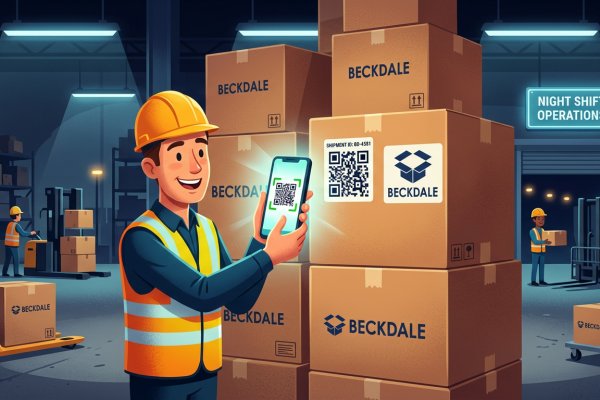
Understanding the Modern UK Fulfilment Centre Landscape
The evolution of e-commerce and consumer expectations has transformed the way businesses approach logistics and order fulfilment. A UK fulfilment centre serves as the backbone of modern retail operations, providing sophisticated warehousing, inventory management, and shipping solutions that enable businesses to compete effectively in today's fast-paced marketplace. From small startups to established enterprises, companies across the United Kingdom are increasingly recognising the strategic value of partnering with professional fulfilment providers.
The complexity of managing inventory, processing orders, and ensuring timely delivery has led many businesses to seek external expertise. This shift has created a thriving third-party logistics (3PL) industry, where specialised providers offer comprehensive fulfilment solutions that scale with business growth whilst maintaining operational excellence.
The Strategic Importance of Birmingham in UK Fulfilment
Birmingham's position within the UK logistics network cannot be overstated. Located at the heart of England's motorway system, Birmingham offers unparalleled connectivity to every corner of the United Kingdom. The city's strategic location makes it an ideal hub for businesses seeking to optimise delivery times and reduce transportation costs across their entire customer base.
Birmingham's Logistics Advantages
- Central geographic location providing access to 90% of the UK population within four hours
- Extensive motorway network including the M6, M5, and M42
- Proximity to major airports including Birmingham International
- Strong rail connections facilitating freight movement
- Growing commercial infrastructure supporting modern warehousing facilities
Whilst cities like Birmingham offer excellent strategic positioning, businesses must evaluate their specific requirements when selecting a UK 3PL partner. Factors such as customer demographic distribution, product types, and shipping volume all influence the optimal fulfilment centre location for individual businesses.
Third-Party Logistics: The 3PL Revolution
The 3PL model has revolutionised how businesses approach fulfilment operations. Rather than investing substantial capital in warehouse facilities, staff training, technology systems, and shipping contracts, companies can leverage the established infrastructure and expertise of specialist providers. This partnership model offers flexibility, scalability, and access to professional logistics management that would otherwise require years to develop internally.
Core 3PL Services
A comprehensive UK warehouse fulfilment provider typically offers a suite of integrated services designed to support every aspect of the order fulfilment process:
- Inventory receiving and storage: Professional warehousing with optimised space utilisation and environmental controls
- Order processing: Accurate picking, packing, and quality control procedures
- Shipping coordination: Multi-carrier management and rate optimisation
- Returns processing: Efficient reverse logistics handling
- Inventory management: Real-time stock tracking and reporting
- Value-added services: Kitting, assembly, labelling, and customisation
The sophistication of modern 3PL operations extends well beyond simple warehousing. Advanced providers integrate seamlessly with e-commerce platforms, marketplaces, and enterprise resource planning systems to create a unified, automated fulfilment ecosystem. This data flow capability ensures that inventory levels, order status, and shipping information remain synchronised across all channels.
B2C and B2B Fulfilment Capabilities
Modern 3PL providers must accommodate diverse business models. Business to consumer (B2C) fulfilment focuses on individual order processing with emphasis on presentation, branding, and customer experience. Conversely, B2B fulfilment typically involves larger order quantities, pallet shipments, and wholesale distribution requirements. The most effective fulfilment centres possess the flexibility and systems to excel in both environments.
FEFO: Critical Inventory Management for Perishable Products
For businesses handling products with limited shelf life, First Expired, First Out (FEFO) inventory management represents an essential operational protocol. Unlike the more common FIFO (First In, First Out) method, FEFO prioritises products based on their expiration dates rather than arrival sequence, ensuring that items closest to expiry are shipped first regardless of when they entered the warehouse.
Industries Requiring FEFO Management
FEFO methodology is particularly critical in several sectors:
- Food and beverage: Food products require meticulous expiry date management to maintain quality and regulatory compliance
- Beauty and cosmetics: Beauty and skincare products often contain active ingredients with limited stability
- Pharmaceuticals and supplements: Health products demand strict adherence to expiration protocols
- Chemical products: Many industrial and consumer chemicals degrade over time
Implementing Effective FEFO Systems
Successful FEFO implementation requires sophisticated warehouse management systems capable of tracking batch numbers and expiry dates at the individual product level. When orders are processed, the system automatically allocates inventory with the nearest expiration dates, preventing waste and ensuring customers receive products with maximum remaining shelf life.
This approach provides multiple benefits beyond waste reduction. It enhances customer satisfaction by delivering fresher products, reduces the financial impact of expired inventory write-offs, and demonstrates regulatory compliance in industries where such standards are mandatory. Advanced stock traceability systems enable complete product history tracking, facilitating rapid response to quality concerns or product recalls.
Royal Mail: The UK's Postal Network Advantage
Royal Mail remains one of the most significant shipping partners for UK fulfilment operations, particularly for businesses focused on domestic delivery. With its unrivalled network coverage reaching every address in the United Kingdom six days per week, Royal Mail provides a cost-effective solution for standard delivery requirements.
Royal Mail Services for Fulfilment Operations
Royal Mail offers several service tiers suited to different fulfilment needs:
- Royal Mail 24 and 48: Economical tracked services for non-urgent deliveries
- Royal Mail Tracked 24: Next-day delivery with enhanced tracking and accountability
- Special Delivery Guaranteed: Premium service with compensation for late delivery
- International services: Comprehensive global reach for overseas customers
Professional courier services integration enables fulfilment centres to offer customers multiple shipping options at checkout, balancing cost considerations with delivery speed requirements. This flexibility enhances the customer experience whilst optimising shipping expenditure across the order portfolio.
Multi-Carrier Strategy Benefits
Whilst Royal Mail provides excellent value for many shipments, sophisticated shipping services incorporate multiple carriers to optimise every delivery. By maintaining relationships with various couriers including DPD, Hermes, DHL, and specialist pallet networks, fulfilment centres can dynamically select the most appropriate carrier based on destination, package dimensions, weight, and urgency.
This carrier diversification also provides resilience during peak periods or service disruptions, ensuring consistent delivery performance throughout the year, including the challenging Christmas period when parcel volumes surge dramatically.
Selecting the Right UK Fulfilment Partner
Choosing an appropriate fulfilment provider represents a strategic decision with long-term implications for business growth and customer satisfaction. Beyond basic warehousing capabilities, businesses should evaluate several critical factors when selecting a UK 3PL fulfilment partner.
Essential Evaluation Criteria
Technology integration capabilities: Seamless connection with your existing systems prevents data silos and enables real-time visibility. The fulfilment provider should demonstrate robust API capabilities and experience integrating with your specific platforms.
Specialised product handling: Different products require different expertise. Whether you sell clothing, electronics, or require contract packing services, ensure your provider has relevant experience and appropriate facilities.
Scalability provisions: Your fulfilment partner should accommodate growth without service degradation. This includes capacity for seasonal peaks, new product launches, and geographical expansion.
Transparent pricing structures: Understanding the true cost of fulfilment requires detailed pricing information. Reputable providers offer pricing calculators and practical examples demonstrating actual costs rather than misleading headline rates.
Location Considerations Across the UK
Whilst Birmingham offers central positioning, businesses should consider their specific customer distribution patterns. Companies with concentrated customer bases in Scotland might benefit from facilities in Glasgow or Edinburgh, whilst those serving southern markets might prioritise locations near London or Southampton. However, for businesses with nationwide distribution requirements, central locations continue to offer the best balance of reach and efficiency.
Providers like www.beckdaleshipping.co.uk, based in Leicester, offer similar central positioning advantages with excellent motorway access and nationwide delivery capabilities, demonstrating that multiple locations can provide effective fulfilment solutions depending on specific business requirements.
Future Trends in UK Fulfilment
The fulfilment industry continues to evolve rapidly, driven by technological advancement and changing consumer expectations. Automation and robotics are increasingly common in larger facilities, improving accuracy and processing speed whilst reducing operational costs. These savings can be passed to clients, making professional fulfilment accessible to smaller businesses.
Sustainability has emerged as a critical consideration, with consumers and regulators expecting environmentally responsible practices. Progressive fulfilment centres are implementing initiatives including renewable energy, recyclable packaging materials, route optimisation to reduce delivery miles, and waste reduction programmes.
Same-day and next-day delivery expectations continue to intensify, particularly in urban markets. This trend is driving investment in distributed fulfilment networks and advanced inventory positioning algorithms that predict demand patterns and pre-position stock accordingly.
Conclusion: Strategic Fulfilment for Business Success
The modern UK fulfilment centre represents far more than a simple warehouse facility. It functions as a strategic partner enabling businesses to compete effectively whilst focusing resources on core competencies like product development, marketing, and customer relationships. By leveraging 3PL expertise, implementing sophisticated inventory management protocols like FEFO, and utilising established carrier networks including Royal Mail, businesses can deliver exceptional customer experiences that drive loyalty and growth.
Whether your business operates from Birmingham, Manchester, Leeds, or anywhere across the United Kingdom, selecting the right fulfilment partner will significantly impact operational efficiency, customer satisfaction, and ultimately, your bottom line. The investment in thoroughly evaluating potential providers and establishing a strong partnership will yield dividends through improved service levels, reduced logistics costs, and the flexibility to scale as your business grows.