Website Fulfilment in the Digital Age
The landscape of e-commerce has transformed dramatically over the past decade, with website fulfilment evolving from a simple pick-and-pack operation into a sophisticated technological ecosystem. Today's online retailers, whether selling through their own platforms or marketplaces like eBay, demand fulfilment solutions that seamlessly integrate advanced technology, efficient postage systems, and accurate inventory management through barcode scanning. This convergence of digital commerce and physical logistics represents the modern reality of retail fulfilment.
The eBay Revolution and Fulfilment Demands
When eBay emerged in the late 1990s, it fundamentally changed how people thought about buying and selling online. What started as an auction site for collectibles has evolved into a global marketplace serving millions of businesses. For sellers on eBay, managing fulfilment efficiently can mean the difference between success and failure in an increasingly competitive environment.
The challenges eBay sellers face are unique. Unlike traditional retail where stock might turn over monthly, eBay merchants often deal with:
- High volumes of individual orders requiring rapid processing
- Diverse product ranges from multiple categories
- Strict delivery timescales to maintain seller ratings
- International shipping requirements with complex customs documentation
- Returns management and customer service expectations
Professional B2C fulfilment services have become essential for eBay power sellers who have outgrown their spare bedrooms but need enterprise-level logistics without the capital investment. From Leicester to Manchester, London to Birmingham, businesses across the UK are discovering that outsourcing to a UK 3PL provider allows them to focus on sourcing products and marketing whilst experts handle the physical fulfilment.
Barcode Scanning: The Backbone of Accuracy
At the heart of modern warehouse operations lies a deceptively simple technology: the barcode. Yet this technology, first patented in 1952, has become the cornerstone of accurate inventory management and order fulfilment. When integrated properly into website fulfilment operations, barcode scanning creates an unbroken chain of verification from goods receipt to final dispatch.
How Barcode Technology Transforms Fulfilment
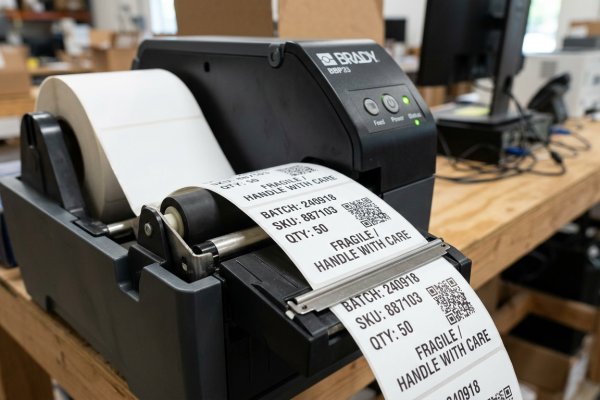
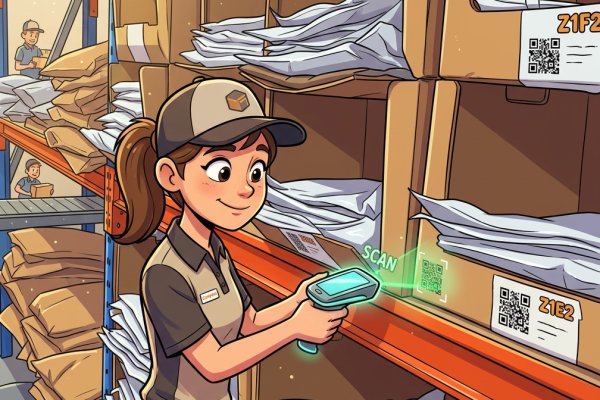
The implementation of barcode scanning in a fulfilment warehouse creates multiple touchpoints of accuracy. When stock arrives at a UK warehouse, each item is scanned upon receipt, creating an immediate digital record. This scan captures:
- Product identification and SKU information
- Quantity received against purchase orders
- Location data showing where items are stored
- Batch numbers and expiry dates for regulated products
- Timestamp data for inventory age tracking
For businesses operating across different sectors, from food products to beauty items, the ability to track batch and expiry information through barcode scanning isn't just convenient—it's often a legal requirement. The technology ensures complete stock traceability throughout the supply chain.
The Picking Process Revolution
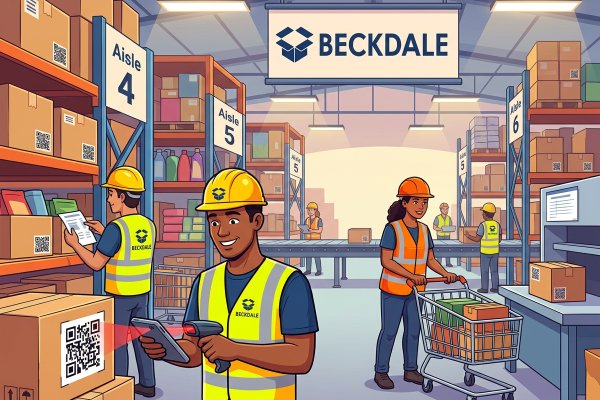
When an order arrives from eBay or any e-commerce platform, barcode scanning guides warehouse operatives through the picking process with remarkable precision. Modern handheld scanners or wearable devices display picking lists, directing staff to exact locations within the warehouse. Each item picked is scanned, creating a real-time verification that prevents the costly mistake of shipping incorrect products.
This level of accuracy has become particularly crucial for businesses operating in cities like Leeds, Glasgow, and Bristol, where customer expectations for rapid, accurate delivery continue to rise. A single picking error can result in negative feedback, returns costs, and damaged customer relationships—expenses that far exceed the investment in proper scanning technology.
Technology Integration and Data Flow
The modern website fulfilment operation is a symphony of integrated technologies working in concert. At the centre sits the Warehouse Management System (WMS), which orchestrates inventory data, order information, and logistics coordination. This system must communicate seamlessly with multiple platforms including eBay, Shopify, Amazon, and bespoke e-commerce websites.
The data integration challenge is substantial. When a customer places an order on eBay at 2 PM in Edinburgh, that order must flow automatically to the fulfilment warehouse in Leicester, trigger inventory allocation, generate picking instructions, and update the carrier system—all within seconds. This real-time data flow eliminates manual data entry, reduces errors, and accelerates the fulfilment cycle.
Cloud-Based Systems and Scalability
Modern fulfilment technology increasingly relies on cloud-based platforms that offer several advantages over legacy systems. These platforms provide:
- Real-time visibility: Businesses can monitor inventory levels and order status from anywhere
- Automatic updates: Software improvements deploy without downtime or manual installation
- Scalability: Systems expand effortlessly during peak seasons like Black Friday or Christmas
- Integration capabilities: APIs connect with virtually any e-commerce platform or marketplace
- Data analytics: Historical data informs decisions about inventory management and seasonal planning
For businesses considering UK fulfilment partnerships, understanding these technological capabilities should form part of the selection criteria. A fulfilment provider's technology stack directly impacts operational efficiency and customer satisfaction.
Postage and Shipping Optimization
The final mile of the fulfilment journey—getting products from warehouse to customer—represents both the most visible and often most expensive component of e-commerce operations. Effective postage management requires balancing speed, cost, and reliability whilst maintaining profitability.
Multi-Carrier Strategies
Sophisticated courier service integration allows fulfilment operations to select the optimal carrier for each shipment based on destination, weight, dimensions, and delivery timescales. An eBay order heading to Southampton might ship via Royal Mail 24, whilst a bulk B2B fulfilment order to Newcastle could utilize pallet networks for cost efficiency.
Modern shipping services have evolved considerably, offering features that enhance the customer experience:
- Automatic tracking number generation and customer notification
- Delivery time slot selection for recipient convenience
- Saturday and evening delivery options for working customers
- Click-and-collect alternatives to reduce failed delivery attempts
- International shipping with automated customs documentation
Postage Cost Management
For many online retailers, postage represents one of the largest operational costs, sometimes exceeding 15% of revenue. Technology plays a crucial role in managing these expenses through intelligent shipping rules and rate shopping. By automatically comparing rates across multiple carriers and selecting the most cost-effective option that still meets delivery promises, businesses can realize significant savings.
Dimensional weight pricing has made package optimization increasingly important. A lightweight but bulky item might cost substantially more to ship than its actual weight would suggest. Warehouse staff equipped with dimensioning systems can accurately capture package measurements, ensuring correct postage calculations and preventing unexpected carrier surcharges.
The Amazon Effect on Fulfilment Expectations
While this article focuses on eBay and general website fulfilment, it's impossible to discuss modern e-commerce logistics without acknowledging Amazon's influence on customer expectations. The rise of Prime and its promise of next-day delivery has fundamentally altered what consumers consider acceptable.
This shift has driven innovation across the fulfilment sector. Businesses utilizing Amazon FBM or FBA services must maintain operational standards that match Amazon's own facilities. For merchants selling across multiple channels—eBay, their own website, and Amazon—consistent service levels become paramount.
Future Trends in Website Fulfilment Technology
The trajectory of fulfilment technology points toward even greater automation and intelligence. Artificial intelligence and machine learning are beginning to forecast inventory needs, optimize warehouse layouts, and predict shipping volumes with remarkable accuracy. Robotics, already commonplace in major facilities across Cardiff and other UK cities, will become accessible to mid-sized operations as costs decrease.
Voice picking technology, where operatives receive instructions through headsets rather than handheld devices, is gaining traction for its efficiency gains. Drone delivery trials and autonomous vehicle development suggest that the "last mile" may look dramatically different within a decade.
Choosing the Right Fulfilment Partner
For businesses evaluating their fulfilment options, whether handling eBay orders, direct website sales, or multi-channel operations, several factors warrant consideration. Beyond competitive pricing, examine the technology infrastructure, barcode scanning capabilities, carrier relationships, and integration flexibility that potential partners offer.
Specialist services like contract packing, clothing fulfilment, or custom sendouts may be crucial for businesses with unique requirements. Understanding these capabilities during the selection process prevents costly migrations later.
The modern fulfilment warehouse is far more than a storage facility—it's a technology-driven operation where barcode scanning, sophisticated software, and optimized postage solutions combine to deliver the seamless customer experience that today's eBay shoppers and website customers demand. As e-commerce continues its relentless growth, businesses that partner with technologically sophisticated UK 3PL providers position themselves for sustainable success in an increasingly competitive marketplace.