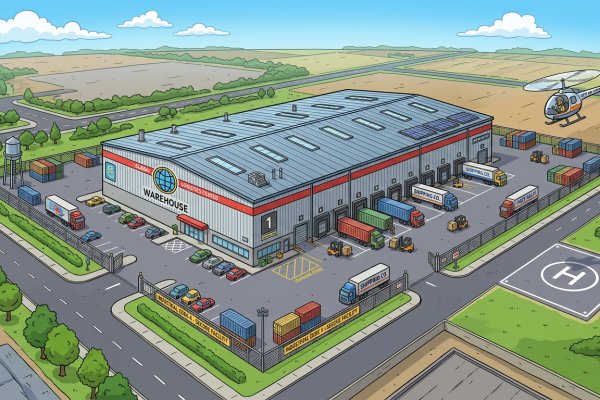
The digital revolution has fundamentally transformed how businesses sell to consumers. As online shopping continues its meteoric rise, the infrastructure supporting these transactions has become increasingly sophisticated. Website fulfilment services now form the backbone of successful ecommerce operations, bridging the gap between digital storefronts and physical delivery to customers' doorsteps.
From bustling commercial hubs like Manchester to emerging retail centres across the nation, businesses are discovering that efficient fulfilment operations can make or break their online presence. Understanding how supply chains, import management, and business-to-consumer (B2C) logistics interconnect has become essential knowledge for any serious online retailer.
Understanding Website Fulfilment in Modern Commerce
Website fulfilment encompasses the entire process of receiving, processing, and delivering online orders to end customers. Unlike traditional retail, where customers physically collect their purchases, ecommerce fulfilment requires a sophisticated orchestration of inventory management, order processing, packing, and shipping.
The complexity increases exponentially when dealing with B2C operations, where individual orders must be processed quickly and accurately. Each customer expects their order to arrive promptly, packaged professionally, and in perfect condition. This expectation has elevated fulfilment from a back-office function to a critical competitive differentiator.
The Components of Effective Website Fulfilment
A comprehensive B2C fulfilment operation includes several interconnected elements:
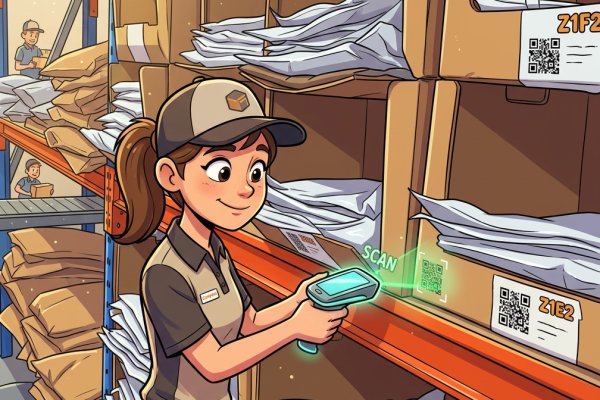
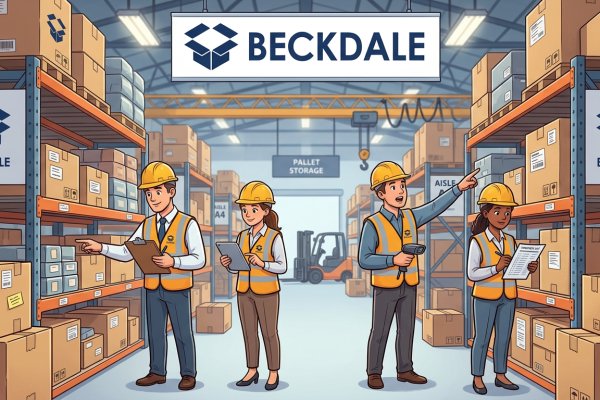
- Inventory receiving and storage: Products must be checked, catalogued, and stored systematically for easy retrieval
- Order processing systems: Digital integration between online platforms and warehouse management systems
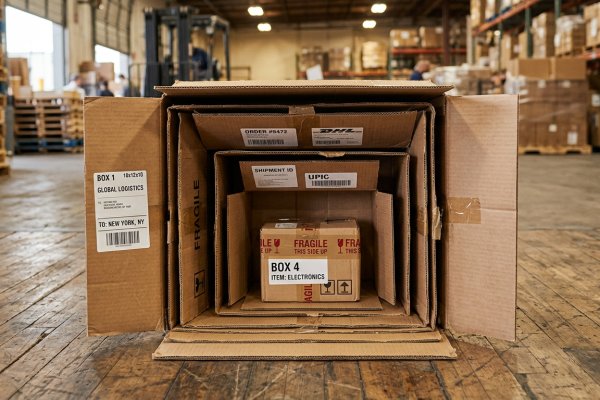
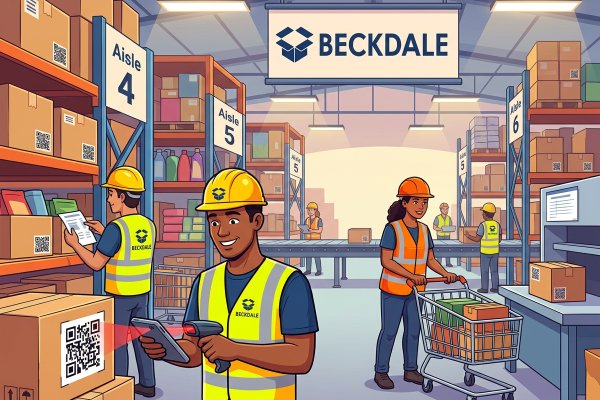
- Pick and pack operations: Efficient selection of products and professional packaging
- Shipping and delivery: Coordination with multiple carriers to ensure timely delivery
- Returns management: Handling reverse logistics smoothly and cost-effectively
- Real-time reporting: Providing visibility into inventory levels and order status
The Critical Role of Supply Chain Management
Behind every successful online order lies a complex supply chain that must function flawlessly. The supply chain for website fulfilment extends from manufacturers and suppliers through to the end customer, with each link requiring careful coordination.
Modern supply chains have become increasingly global, with businesses sourcing products from around the world to offer competitive pricing and unique products. This globalization has made supply chain visibility more important than ever. Retailers need to know exactly where their products are at any given moment, from factory floor to warehouse shelf to customer doorstep.
Supply Chain Challenges in the Digital Age
The shift towards ecommerce has introduced new complexities to traditional supply chain management. Unlike wholesale distribution, where products move in bulk, UK fulfilment for websites requires handling individual units destined for thousands of different addresses.
Businesses operating in commercial centres like Manchester face unique logistical considerations. While the city's excellent transport links and proximity to major ports make it an attractive location for retailers, the coordination required to maintain efficient operations demands sophisticated systems and experienced partners.
Peak trading periods, such as Black Friday or Christmas, can see order volumes increase tenfold virtually overnight. Supply chains must be flexible enough to scale rapidly while maintaining service quality. This requires careful planning, forecasting, and often the support of experienced UK 3PL providers who can absorb volume fluctuations.
Managing Imports for Website Fulfilment
For many online retailers, particularly those offering specialized or competitively priced products, imports form a crucial part of their business model. The process of bringing goods into the UK for website fulfilment involves numerous considerations that extend far beyond simply placing an order with an overseas supplier.
The Import Process Explained
Successful import management requires understanding customs procedures, tariff classifications, and regulatory compliance. Products must be correctly declared, duties and VAT calculated and paid, and all necessary documentation completed accurately.
Post-Brexit, the landscape for imports has evolved significantly, with new processes and requirements for goods entering the UK from the European Union. Businesses must navigate these changes while maintaining the efficiency their customers expect. Many retailers partner with shipping services specialists who understand international logistics intricacies.
Strategic Considerations for Import-Based Businesses
When sourcing products internationally for website fulfilment, several factors require careful consideration:
- Lead times: Shipping from overseas can take weeks or months, requiring careful inventory planning
- Minimum order quantities: International suppliers often require larger orders, tying up capital
- Quality control: Distance makes inspection challenging, necessitating robust supplier relationships
- Currency fluctuations: Exchange rates can significantly impact profit margins
- Regulatory compliance: Products must meet UK safety and labeling standards
Many successful online retailers use a hybrid approach, combining imported products with domestically sourced items to balance cost, quality, and delivery speed. This strategy provides flexibility while managing risk across the supply chain.
B2C Fulfilment: Meeting Consumer Expectations
The business-to-consumer model has unique requirements that distinguish it from traditional B2B operations. Individual consumers have high expectations shaped by giants like Amazon, expecting fast delivery, easy returns, and perfect order accuracy as standard.
Meeting these expectations requires investment in systems, processes, and often partnership with experienced UK 3PL fulfilment providers who specialize in consumer-focused operations. The cost of disappointing a customer extends beyond the immediate transaction, potentially affecting reviews, reputation, and lifetime customer value.
Technology's Role in B2C Fulfilment
Modern website fulfilment is technology-driven, with data flow and integration forming the nervous system of operations. When a customer places an order online, that information must seamlessly transfer to the warehouse management system, triggering picking, packing, and shipping processes.
Real-time inventory visibility prevents overselling, automatically updating stock levels across all sales channels. This integration becomes particularly important for businesses selling through multiple platforms simultaneously, whether their own website, Amazon, eBay, or marketplace channels.
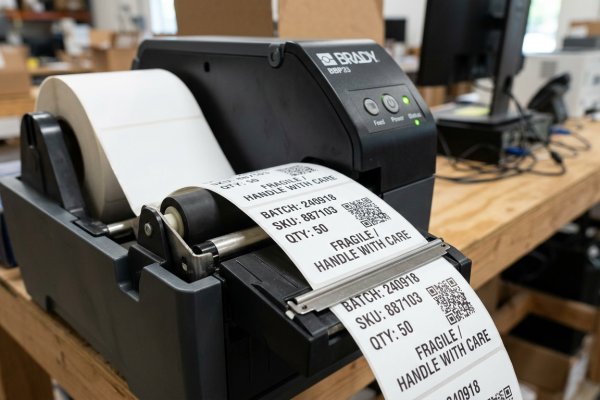
Stock traceability systems track products throughout their journey, enabling quick identification and resolution of any issues. For businesses handling products with expiry and batch numbers, such sophisticated tracking isn't optional—it's essential for regulatory compliance and customer safety.
Regional Considerations: Manchester and Beyond
While fulfilment operations can be located anywhere with good transport links, certain locations offer strategic advantages. Manchester, with its rich commercial heritage and modern infrastructure, exemplifies how regional centres support nationwide ecommerce operations.
The city's position at the heart of England's motorway network provides excellent road access to the entire UK. Its proximity to major ports like Liverpool facilitates efficient import operations, while strong rail links offer additional logistics options. For businesses serving customers across the UK, such central locations can optimize delivery times and costs.
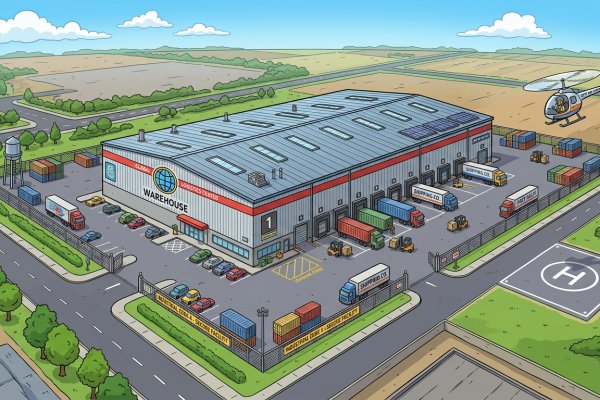
However, businesses shouldn't overlook the advantages offered by other strategic locations. Leicester, for instance, has emerged as a significant fulfilment hub, offering excellent motorway access and a concentration of logistics expertise. When selecting a fulfilment warehouse partner, location matters, but operational excellence matters more.
Choosing the Right Fulfilment Partner
For many online retailers, particularly those experiencing rapid growth, partnering with a specialist fulfilment provider makes strategic sense. This decision transfers the operational complexity of warehousing, packing, and shipping to experts, allowing businesses to focus on product development, marketing, and customer acquisition.
Key Criteria for Partner Selection
When evaluating potential fulfilment partners, several factors deserve careful consideration:
- Scalability: Can they handle your current volumes and anticipated growth?
- Technology integration: Do their systems connect seamlessly with your ecommerce platform?
- Sector experience: Have they handled products similar to yours, whether beauty products, clothing, or food items?
- Service flexibility: Can they accommodate special requirements like contract packing or custom sendouts?
- Carrier relationships: What courier services do they offer, and at what rates?
- Transparent pricing: Understanding costs through tools like a pricing calculator helps avoid surprises
The right partner becomes an extension of your business, representing your brand through the quality of their packing and the accuracy of their operations. For businesses selling through platforms like Amazon, whether using FBA or FBM models, finding a partner who understands marketplace-specific requirements is crucial.
The Future of Website Fulfilment
As consumer expectations continue evolving and technology advances, website fulfilment will become increasingly sophisticated. Automation, artificial intelligence, and robotics are transforming warehouse operations, enabling faster processing and greater accuracy.
Sustainability concerns are driving innovation in packaging materials and delivery methods, with consumers increasingly valuing environmentally responsible practices. Fulfilment operations must balance efficiency with ecological responsibility, reducing waste while maintaining the protection products require during transit.
The integration of physical and digital retail experiences—often called omnichannel retail—requires fulfilment operations that can handle diverse scenarios, from direct-to-consumer shipping to store replenishment and click-and-collect services.
Conclusion
Website fulfilment has evolved from a simple operational necessity into a strategic capability that can differentiate successful online retailers from struggling competitors. The integration of sophisticated supply chain management, efficient import processes, and consumer-focused B2C operations creates a complex ecosystem requiring expertise, technology, and constant optimization.
Whether operating from Manchester's commercial centre, Leicester's logistics hub, or anywhere across the UK, businesses must recognize that fulfilment excellence directly impacts customer satisfaction, operational costs, and ultimately, profitability. By understanding these interconnected elements and potentially partnering with experienced providers like www.beckdaleshipping.co.uk, online retailers can build the operational foundation needed for sustainable growth in an increasingly competitive digital marketplace.
The future belongs to businesses that master these operational complexities while maintaining the agility to adapt to changing consumer expectations and market conditions. In this environment, website fulfilment isn't just about moving boxes—it's about delivering experiences that turn first-time buyers into loyal, repeat customers.