TV Shopping & Dropship Pallets
The convergence of television shopping channels, pallet dropshipping, and modern logistics has revolutionised how businesses distribute products across the United Kingdom. From the bustling warehouses of Sheffield to the sophisticated UK Fulfilment centres in Leicester, the landscape of retail distribution continues to evolve at a remarkable pace. Understanding how QVC, Amazon, and traditional B2B operations intersect provides valuable insights into contemporary supply chain management.
The Television Shopping Revolution
QVC has transformed the way consumers purchase products, creating a unique bridge between traditional retail and modern e-commerce. The QVC TV shopping packing process demands precision, speed, and reliability that few other retail channels require. When a product appears on television, orders flood in simultaneously, creating logistical challenges that require sophisticated warehouse operations and transportation networks.
Television shopping channels operate on incredibly tight schedules. A single product presentation might generate thousands of orders within minutes, requiring fulfilment centres to process, pack, and dispatch items with exceptional efficiency. This model has influenced broader retail logistics, demonstrating that rapid response capabilities and scalable infrastructure are essential for modern commerce.
From Broadcast to Doorstep
The journey of a television shopping product involves multiple stages. Once an order is placed, it enters a sophisticated B2B fulfilment system designed to handle volume fluctuations. These systems incorporate:
- Real-time inventory management synchronised with broadcast schedules
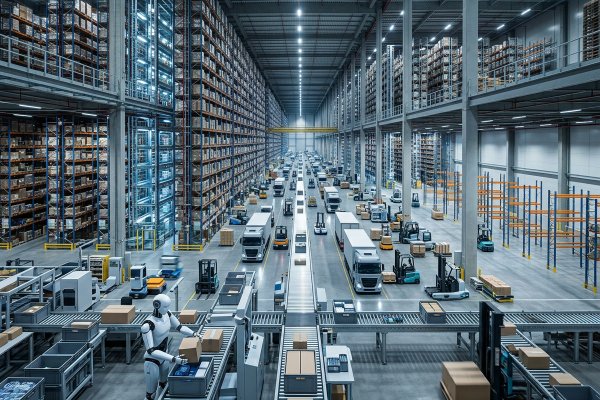
- Automated picking and packing stations for rapid order processing
- Multi-carrier shipping integration to optimise delivery costs and timescales
- Quality control checkpoints ensuring customer satisfaction
- Returns processing capabilities for seamless customer service
Pallet Dropshipping in Modern Commerce
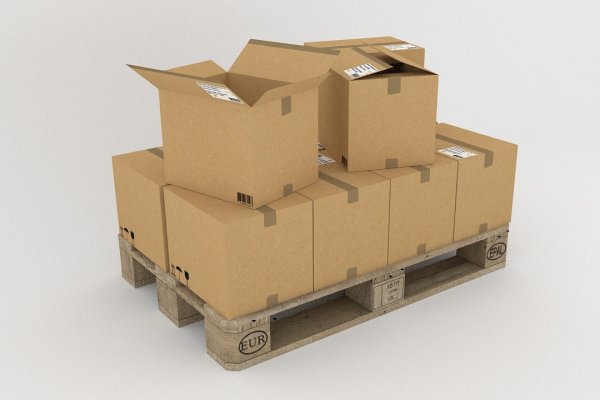
Pallet dropshipping represents a significant evolution in wholesale distribution. Unlike traditional retail models where products move through multiple intermediaries, pallet dropshipping enables direct transportation from manufacturers or distributors to retailers or end customers. This efficiency reduces handling costs, minimises damage risks, and accelerates delivery timescales.
For businesses operating across regions like Sheffield, Manchester, Birmingham, and Leicester, pallet dropshipping offers tremendous advantages. Shipping services have adapted to accommodate this model, providing flexible solutions that balance cost against speed and reliability.
The B2B Pallet Distribution Network
The business-to-business landscape depends heavily on efficient pallet movements. Companies in Sheffield's manufacturing sector, for example, regularly ship palletised goods to distribution centres across the country. These movements require careful coordination between production schedules, transportation availability, and warehouse capacity.
Modern UK 3PL providers have developed sophisticated networks that optimise these movements. By consolidating shipments, utilising return journeys, and employing route optimisation software, logistics companies reduce both costs and environmental impact. This efficiency benefits everyone from small retailers to major television shopping channels.
Amazon's Influence on Fulfilment Standards
Amazon has fundamentally reshaped customer expectations regarding delivery speed and service quality. The company's Fulfilled By Amazon (FBA) programme established new benchmarks that other retailers must meet to remain competitive. This influence extends beyond direct Amazon sales to affect how QVC, independent retailers, and B2B operations manage their logistics.
The Amazon effect has driven investment in warehouse automation, improved inventory management systems, and enhanced customer communication. Even businesses that don't sell through Amazon find themselves adopting similar standards to satisfy customer expectations shaped by the e-commerce giant.
FBA versus FBM Considerations
Businesses must carefully evaluate whether Amazon Fulfilled By Merchant (FBM) or FBA better suits their needs. FBA offers access to Prime customers and removes fulfilment responsibilities, but requires adherence to Amazon's strict packaging and labelling requirements. FBM provides greater control but demands robust internal logistics capabilities.
Many companies adopt hybrid approaches, using FBA for fast-moving items whilst maintaining FBM for products with lower turnover or specialist handling requirements. This flexibility allows businesses to optimise costs whilst maintaining service standards across their product ranges.
Transportation Networks Connecting Commerce
The physical movement of goods remains fundamental despite digital advances. Transportation networks connecting cities like Sheffield, Leicester, Leeds, and Nottingham form the backbone of UK commerce. These routes carry everything from television shopping orders to bulk B2B pallet shipments.
Efficient transportation requires understanding multiple variables: vehicle capacity, delivery schedules, fuel costs, driver availability, and route conditions. Professional logistics providers continuously monitor these factors, adjusting operations to maintain service levels whilst controlling costs. The integration of www.beckdaleshipping.co.uk into these networks demonstrates how specialist fulfilment centres contribute to broader distribution efficiency.
Regional Logistics Hubs
Strategic locations like Leicester serve as vital distribution nodes. Their central position provides excellent access to major motorway networks, enabling rapid distribution across England, Scotland, and Wales. Businesses leveraging these locations benefit from reduced transportation times and improved service coverage.
Sheffield's industrial heritage has evolved into modern logistics capabilities, with numerous warehouses and distribution centres serving manufacturers and retailers. The transportation links between Sheffield and central England facilitate efficient B2B operations, supporting businesses ranging from small enterprises to major television shopping operations.
B2B Fulfilment Complexities
Business-to-business fulfilment differs significantly from consumer-focused operations. B2B orders typically involve larger quantities, require specific delivery appointments, and demand detailed documentation. Contract packing services often feature in B2B arrangements, where products are configured specifically for particular retailers or markets.
The relationship-driven nature of B2B commerce means that reliability and communication are paramount. A missed delivery or incorrect specification can disrupt entire retail operations, damaging relationships and incurring significant costs. This reality drives investment in robust systems and experienced personnel.
Technology Integration in B2B Operations
Modern B2B fulfilment relies heavily on data flow between trading partners. Electronic Data Interchange (EDI), Application Programming Interfaces (APIs), and web services enable seamless information exchange. These systems automatically update inventory levels, generate shipping documentation, and provide tracking information.
For companies working with television shopping channels, technology integration becomes even more critical. Real-time synchronisation ensures that broadcast inventory levels reflect actual warehouse stock, preventing overselling and customer disappointment. Similarly, stock traceability systems provide complete visibility throughout the supply chain.
Quality Control and Compliance
Whether handling television shopping orders, Amazon shipments, or B2B pallets, quality control remains non-negotiable. Products must meet specifications, packaging must protect contents during transportation, and documentation must be accurate. Failures in any area create costs, delays, and reputational damage.
Specialist operations handling beauty products, food items, or clothing must understand category-specific requirements. Expiry and batch number management is essential for consumables, whilst fashion items require careful handling to prevent damage to packaging and presentation.
The Economics of Modern Fulfilment
Understanding fulfilment costs is crucial for business sustainability. Variables include warehouse storage charges, picking and packing fees, packaging materials, and transportation costs. Volume discounts, seasonal fluctuations, and service level choices significantly affect overall expenditure.
Businesses benefit from transparent pricing structures that allow accurate forecasting. Tools like a pricing calculator help companies model different scenarios, whilst pricing examples provide real-world context for budget planning.
Scaling Operations Efficiently
Growing businesses face challenges balancing capacity against demand. Partnering with experienced UK 3PL fulfilment providers offers flexibility without the capital investment required for owned infrastructure. This approach allows companies to scale operations during peak periods whilst maintaining cost control during quieter times.
The television shopping model exemplifies these scaling challenges. Product presentations create sudden demand spikes that internal operations might struggle to accommodate. Third-party logistics providers absorb these fluctuations through shared infrastructure and experienced staff, ensuring consistent service levels regardless of volume variations.
Future Developments in Retail Logistics
The logistics landscape continues evolving rapidly. Automation, artificial intelligence, and sustainable practices are reshaping warehouse operations. Consumer fulfilment expectations continue rising, driven by companies offering same-day or next-day delivery as standard.
Television shopping channels adapt by integrating online platforms with broadcast presentations, creating omnichannel experiences. This convergence requires fulfilment operations that handle both traditional batch processing and real-time e-commerce demands. The future belongs to flexible, technology-enabled operations that respond instantly to changing market conditions.
Conclusion
The intersection of television shopping, pallet dropshipping, Amazon logistics, and B2B fulfilment creates a complex but fascinating commercial ecosystem. Success requires understanding how these elements interact, investing in appropriate technology and partnerships, and maintaining unwavering focus on service quality.
Whether you're a manufacturer in Sheffield seeking efficient B2B distribution, a retailer managing television shopping channel requirements, or an e-commerce business navigating Amazon's ecosystem, professional courier services and fulfilment expertise make the difference between struggling and thriving. The logistics networks connecting UK businesses enable the seamless commerce that modern consumers expect, supporting economic growth across all sectors.
As retail continues evolving, those businesses that embrace professional fulfilment partnerships, invest in technology integration, and maintain operational excellence will capture the opportunities that this dynamic landscape presents.