Order Picking UK Excellence and Modern Warehouse Standards
Order picking remains the single most labour-intensive and costly operation within any UK Fulfilment environment, accounting for approximately 55% of total warehouse operating costs. As e-commerce continues its exponential growth trajectory across the United Kingdom, businesses from Manchester to Birmingham, London to Edinburgh, are reassessing their order picking strategies to meet increasingly demanding customer expectations whilst maintaining profitability and regulatory compliance.
The landscape of order picking in the UK has transformed dramatically over recent years, driven by consumer expectations established by retail giants, technological advancement, and stringent regulatory frameworks that govern warehouse operations. Understanding these dynamics is essential for any business seeking competitive advantage in today's fulfilment marketplace.
The Fundamentals of Order Picking Efficiency
Efficiency in order picking extends far beyond simple speed metrics. Modern UK 3PL operations measure efficiency through a multifaceted lens that encompasses accuracy rates, order cycle times, labour productivity, space utilisation, and cost per pick. These metrics collectively determine whether a warehouse operation can compete in an environment where same-day and next-day delivery have become standard expectations rather than premium services.
Measuring and Optimising Pick Rates
Professional UK Warehouse operations typically achieve pick rates between 60 to 150 lines per hour for manual picking operations, though this varies significantly based on product type, warehouse layout, and picking methodology employed. Advanced operations utilising optimised systems and warehouse management software can exceed 200 picks per hour whilst maintaining accuracy rates above 99.5%.
The key factors influencing pick rate efficiency include:
- Warehouse layout optimisation - Reducing travel time through strategic product placement and zoning
- Pick path planning - Utilising algorithms to create the most efficient routes through the warehouse
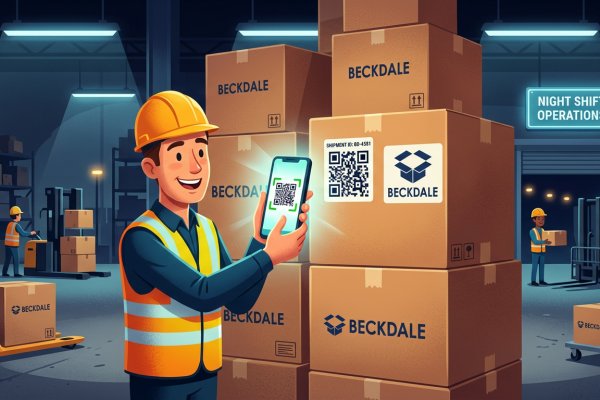
- Technology integration - Implementing barcode scanning, voice picking, or pick-to-light systems
- Stock location management - Positioning fast-moving items in easily accessible locations
- Batch picking strategies - Consolidating multiple orders to reduce travel distance
- Ergonomic considerations - Reducing physical strain to maintain consistent productivity
Technology-Driven Picking Systems
Modern UK 3PL Fulfilment centres deploy various technological solutions to enhance picking accuracy and speed. Radio Frequency (RF) scanning systems provide real-time inventory verification, whilst warehouse management systems orchestrate picking waves to optimise labour deployment. Voice-directed picking technology has gained significant traction across UK facilities, enabling hands-free operation and reducing error rates by up to 67% compared to paper-based systems.
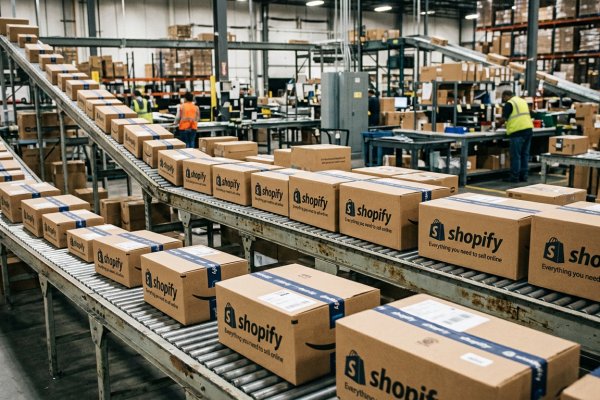
Advanced operations increasingly incorporate automation, from simple conveyor systems to sophisticated autonomous mobile robots (AMRs) that transport products to static picking stations. This "goods-to-person" approach eliminates unproductive travel time, potentially tripling pick rates whilst significantly reducing physical demands on warehouse staff.
Compliance Requirements for UK Order Picking Operations
Operating a compliant order picking operation in the United Kingdom requires adherence to multiple regulatory frameworks that protect workers, ensure product safety, and maintain accurate record-keeping. These requirements are not merely bureaucratic obligations but fundamental aspects of professional warehouse management that protect both businesses and consumers.
Health and Safety Compliance
The Health and Safety Executive (HSE) maintains strict oversight of warehouse operations throughout England, Scotland, Wales, and Northern Ireland. Order picking activities fall under multiple regulatory requirements including the Manual Handling Operations Regulations 1992, which mandate risk assessments for all lifting and carrying activities, and the Provision and Use of Work Equipment Regulations 1998, which govern the safe operation of warehouse equipment.
Compliant Fulfilment Warehouse operations implement comprehensive safety protocols including:
- Regular risk assessments for all picking activities and workstations
- Mandatory personal protective equipment (PPE) appropriate to specific tasks
- Clear segregation between pedestrian and vehicle traffic zones
- Adequate lighting levels (minimum 200 lux for general warehouse areas)
- Proper training documentation for all equipment operators
- Emergency evacuation procedures and regular fire drills
Product-Specific Compliance Considerations
Different product categories carry specific regulatory requirements that directly impact order picking procedures. Food Products require temperature-controlled environments and traceability systems that track batch numbers from receipt through dispatch. Beauty and cosmetic products must comply with UK Cosmetic Products Enforcement Regulations, whilst pharmaceutical items demand stringent handling protocols and secure storage areas.
The implementation of robust Stock Traceability systems enables warehouses to maintain complete visibility of product movements, essential for recall management and compliance auditing. Modern warehouse management systems automatically capture batch and expiry date information during picking, ensuring FEFO (First Expired, First Out) rotation and preventing distribution of expired products.
The Amazon Effect on UK Order Picking Standards
Amazon's dominance in UK e-commerce has fundamentally reshaped customer expectations and, consequently, the standards by which all fulfilment operations are judged. The company's vast fulfilment network across the United Kingdom, including major facilities in Rugeley, Doncaster, Peterborough, and Dunfermline, has established operational benchmarks that ripple throughout the entire logistics sector.
Amazon's Influence on Picking Methodologies
Amazon pioneered the widespread adoption of chaotic storage systems in the UK market, where products are stored in any available space rather than fixed locations. This approach, managed through sophisticated warehouse management software, maximises space utilisation and can significantly improve picking efficiency by dynamically positioning frequently ordered items closer to packing stations.
For businesses utilising Fulfilled By Amazon (FBA) services, understanding Amazon's internal picking standards becomes crucial. Products must arrive properly labelled with FNSKU barcodes, packaged according to Amazon's specifications, and accompanied by accurate advance shipment notifications. Non-compliance results in rejection at receiving, potentially causing significant delays and additional costs.
Amazon Vendor and Seller Requirements
UK businesses selling through Amazon face distinct operational pathways. The Fulfilled By Merchant (FBM) model requires sellers to maintain their own picking and packing operations whilst meeting Amazon's stringent delivery performance metrics. Late shipment rates must remain below 4%, order defect rates under 1%, and cancellation rates below 2.5% to maintain seller status.
These demanding standards have elevated expectations across all UK e-commerce operations. Customers now expect order accuracy approaching 100%, with any discrepancy potentially resulting in negative reviews that significantly impact sales. This reality has driven investment in quality control measures, double-check systems, and photographic documentation of picked orders.
Integration with Parcel Force and Carrier Networks
The final mile delivery partner selection directly impacts order picking operations, as different carriers maintain varying collection schedules, packaging requirements, and documentation standards. Parcel Force, as Royal Mail's premium parcel delivery service, represents a critical component of the UK fulfilment ecosystem, particularly for businesses requiring tracked, time-sensitive delivery services.
Optimising Picking for Carrier Requirements
Professional Courier Services integration begins at the picking stage. Orders destined for Parcel Force collection must be picked, packed, and documented before the scheduled collection time, which varies by location but typically occurs during afternoon timeframes. This necessitates careful wave planning to ensure adequate processing time whilst maximising cut-off times for same-day dispatch.
Parcel Force dimensional weight calculations (dividing volume in cubic centimetres by 5,000) influence packing decisions that smart picking operations consider during the initial selection phase. Choosing appropriately sized packaging during picking reduces both shipping costs and the likelihood of damage during transit.
Multi-Carrier Strategy Benefits
Leading Shipping Services operations throughout Leicester, Bristol, Leeds, and other UK logistics hubs increasingly implement multi-carrier strategies that automatically select the optimal carrier based on destination, service level, and cost. This approach requires picking systems capable of carrier-specific routing, ensuring orders are grouped appropriately for each carrier's collection schedule and requirements.
The integration of carrier API Data connections enables real-time rate shopping and automatic label generation during the picking process, streamlining operations and reducing the time between pick completion and carrier handover.
Sector-Specific Order Picking Considerations
Different industry sectors present unique challenges for order picking operations, requiring specialised knowledge and adapted processes to maintain efficiency and compliance.
B2B vs B2C Picking Strategies
B2B Fulfilment typically involves larger order quantities, pallet-level picking, and scheduled delivery appointments, allowing for more predictable workflow planning. Conversely, B2C operations handle high volumes of single-item or small-quantity orders requiring rapid processing and flexible carrier options to meet consumer delivery expectations.
The rise of Clothing e-commerce has introduced additional complexity, with size and colour variations creating extensive SKU proliferation that demands exceptionally accurate picking and inventory management systems.
Specialised Picking for Contract Packing
Contract Packing operations often combine order picking with assembly or kitting activities, where components are selected from inventory and combined into finished promotional packages or product bundles. This requires coordination between picking and packing teams, with quality checkpoints ensuring correct component selection before final assembly.
Future Trends in UK Order Picking
The order picking landscape continues evolving rapidly, with several emerging trends poised to reshape UK warehouse operations over the coming years. Artificial intelligence and machine learning algorithms increasingly optimise pick path routing in real-time, adapting to changing order patterns and warehouse congestion. Augmented reality picking systems, though currently limited to pilot programmes, promise to overlay digital picking instructions onto physical warehouse environments through smart glasses.
Sustainability considerations are driving innovation in picking strategies, with businesses seeking to minimise packaging waste and carbon emissions through consolidated picking and optimised carrier selection. The pressure to reduce environmental impact whilst maintaining efficiency creates interesting operational challenges that forward-thinking fulfilment providers are addressing through technology investment and process refinement.
For businesses seeking to optimise their order picking operations, partnering with experienced Website Fulfilment providers offers access to established systems, trained personnel, and proven methodologies without the capital investment required to build in-house capabilities. Whether handling standard e-commerce fulfilment or specialised requirements like QVC TV Shopping distribution, professional 3PL partners bring operational expertise that translates directly to improved customer satisfaction and business growth.
The evolution of order picking in the UK marketplace demonstrates that success requires balancing multiple competing priorities: speed versus accuracy, automation versus flexibility, compliance versus efficiency. Businesses that master this balance position themselves to thrive in an increasingly competitive fulfilment landscape where customer expectations continue rising and operational margins remain under constant pressure.