Website Fulfilment: The Complete Guide
In today's rapidly evolving ecommerce landscape, website fulfilment has become the backbone of successful online retail operations. Whether you're a startup entrepreneur or an established brand, understanding the intricacies of fulfilment services can make the difference between customer satisfaction and business failure. This comprehensive guide explores how modern fulfilment solutions, including FBA integration, quality control measures, and cost reduction strategies, can transform your online business operations.
Understanding Website Fulfilment in the Modern Era
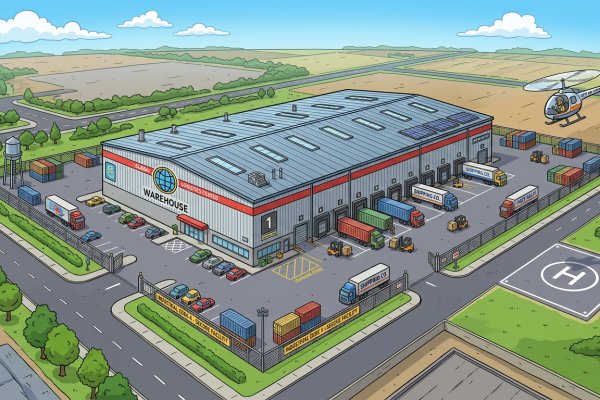
Website fulfilment encompasses the entire process of receiving, processing, and delivering orders to customers who purchase through your online store. This complex operation involves inventory management, order processing, picking and packing, shipping, and handling returns. For businesses across Birmingham, Manchester, London, and beyond, partnering with a reliable UK 3PL provider has become essential for maintaining competitive advantage.
The fulfilment landscape has transformed dramatically over the past decade. What once required massive capital investment in warehouse space and staff can now be outsourced to specialist providers who offer scalable solutions. These UK fulfilment services allow businesses to focus on their core competencies—product development, marketing, and customer acquisition—while experts handle the logistics.
The FBA Connection: Integrating Amazon's Powerhouse
Amazon's Fulfilled By Amazon (FBA) programme has revolutionised how online retailers approach fulfilment. By leveraging Amazon's extensive logistics network, businesses gain access to Prime customers, streamlined delivery options, and Amazon's trusted customer service infrastructure.
How FBA Complements Traditional Website Fulfilment
Many successful ecommerce businesses adopt a hybrid approach, using FBA for Amazon marketplace sales whilst maintaining independent fulfilment operations for their own website and other sales channels. This strategy offers several advantages:
- Multi-channel presence: Reach customers wherever they prefer to shop
- Risk diversification: Avoid over-reliance on a single sales platform
- Brand control: Maintain direct customer relationships through your website
- Cost optimisation: Compare fulfilment costs across different channels
- Inventory flexibility: Allocate stock strategically based on demand patterns
For businesses operating from Birmingham or serving customers throughout the Midlands, integrating FBA with traditional website fulfilment creates a robust logistics strategy. However, this requires careful coordination to ensure inventory accuracy across multiple platforms and prevent stockouts or overselling situations.
FBA Preparation Requirements
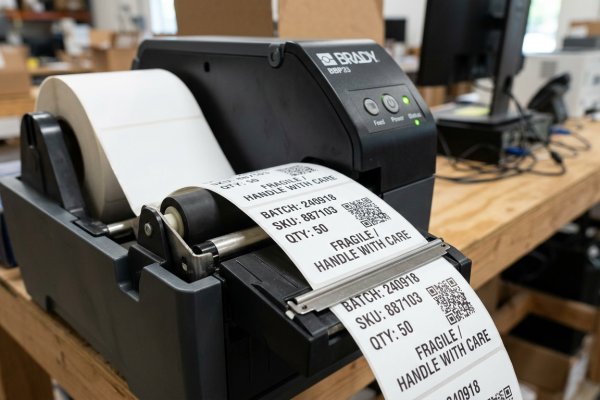
One often-overlooked aspect of FBA is the strict preparation requirements Amazon imposes. Products must be labelled correctly, packaged according to specific guidelines, and shipped to designated fulfilment centres. Many businesses partner with specialist providers who offer FBA preparation services, ensuring compliance whilst saving valuable time.
Quality Control: The Non-Negotiable Element
Quality control represents the cornerstone of successful website fulfilment operations. Every touchpoint in the fulfilment process presents an opportunity for errors that can damage your brand reputation and customer relationships. Implementing rigorous quality control measures protects your business and ensures consistent customer satisfaction.
Receiving and Inventory Quality Checks
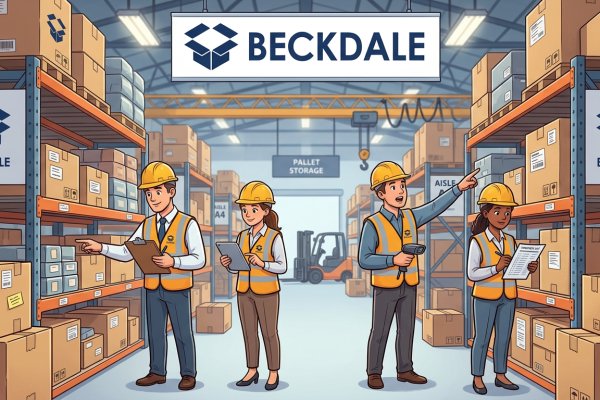
Quality control begins the moment inventory arrives at the fulfilment warehouse. Comprehensive receiving processes should include:
- Physical inspection: Verify product condition, packaging integrity, and correct quantities
- Documentation verification: Match purchase orders against actual deliveries
- Barcode validation: Ensure all products carry correct SKU identifications
- Photography: Document condition for high-value or fragile items
- Sample testing: Conduct quality spot-checks on representative samples
For businesses dealing with products requiring expiry and batch numbers, additional scrutiny ensures only products within acceptable date ranges enter the warehouse system. This proves particularly crucial for beauty and food products.
Order Fulfilment Quality Assurance
The picking and packing stage presents the highest risk for errors. Professional B2C fulfilment operations implement multiple checkpoints:
- Barcode scanning verification: Confirm correct products are picked for each order
- Weight checking: Automated systems flag discrepancies between expected and actual package weights
- Visual inspection: Staff review orders before sealing packages
- Photography documentation: Capture images of packaged orders for dispute resolution
- Audit processes: Randomly select orders for detailed quality reviews
These measures might seem excessive, but the cost of implementing quality control pales in comparison to the expenses associated with returns, replacements, and damaged customer relationships. Businesses serving customers in Birmingham, Leeds, Bristol, and across the UK find that investing in quality control directly correlates with improved customer satisfaction scores and reduced return rates.
Cost Reduction Strategies That Actually Work
Effective cost reduction in website fulfilment requires strategic thinking beyond simply choosing the cheapest provider. Sustainable cost optimisation balances expense reduction with service quality maintenance, creating long-term value rather than short-term savings.
Volumetric Efficiency and Storage Optimisation
Storage costs represent a significant ongoing expense in fulfilment operations. Smart businesses reduce these costs through:
- Demand forecasting: Maintain optimal inventory levels without excess stock
- Seasonal adjustments: Scale storage requirements according to business cycles
- Product packaging redesign: Reduce dimensional weight to lower storage and shipping costs
- Fast-moving stock prioritisation: Position popular items for quick access
- Dead stock elimination: Identify and liquidate slow-moving inventory
Many fulfilment pricing structures charge based on space utilised, making efficient storage practices directly impact your bottom line.
Shipping Cost Optimisation
Delivery expenses often constitute the largest component of fulfilment costs. Reducing these requires multi-faceted approaches:
Carrier diversification: Professional courier services maintain relationships with multiple carriers, securing volume discounts and selecting optimal services for each shipment based on destination, weight, and urgency. A parcel to Birmingham might use different carriers than one destined for Edinburgh or Southampton.
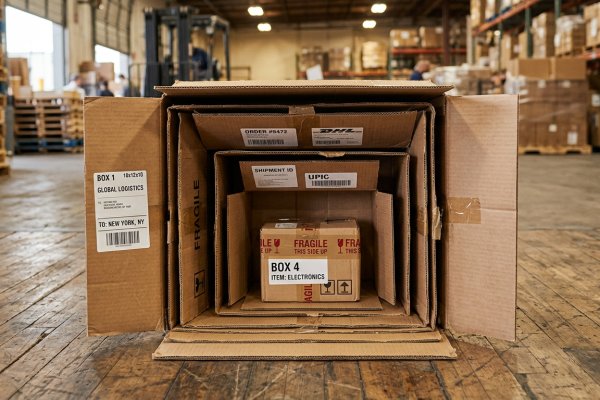
Packaging optimisation: Right-sizing packaging reduces dimensional weight charges whilst maintaining product protection. Contract packing specialists can redesign packaging to minimise material costs and shipping expenses simultaneously.
Zone-skipping strategies: For businesses with sufficient volume, consolidating shipments to regional hubs before final delivery can significantly reduce per-unit costs, particularly for deliveries to concentrated areas like Birmingham, Manchester, or London.
Technology-Driven Efficiency
Modern data flow integration eliminates manual processes that consume time and introduce errors. Automated systems connecting your website, inventory management, and fulfilment operations provide:
- Real-time inventory visibility preventing overselling
- Automatic order routing to appropriate fulfilment locations
- Instant tracking information updating customer accounts
- Demand forecasting through historical data analysis
- Performance reporting identifying improvement opportunities
These technological investments generate returns through reduced labour costs, fewer errors, and improved customer experiences. Stock traceability systems also provide valuable insights into product movement patterns, enabling data-driven decision-making.
Birmingham's Strategic Fulfilment Advantage
Birmingham's geographical position makes it strategically significant for UK fulfilment operations. Located at the heart of the national motorway network, the city offers excellent connectivity to all regions. Businesses utilising fulfilment services with Birmingham connections benefit from reduced delivery times and costs to customers throughout England, Scotland, and Wales.
The city's robust logistics infrastructure, skilled workforce, and competitive property costs have attracted numerous fulfilment operations. However, businesses should evaluate fulfilment partners based on capabilities rather than location alone. A Leicester-based provider like Beckdale Fulfilment, for instance, offers comparable access to national distribution networks whilst potentially providing different cost structures or specialised services.
Choosing the Right Fulfilment Partner
Selecting an appropriate UK 3PL fulfilment provider requires careful evaluation across multiple dimensions:
Essential Evaluation Criteria
- Specialisation alignment: Does the provider have experience with your product category, whether clothing, beauty products, or electronics?
- Scalability capacity: Can they accommodate growth without service degradation?
- Technology integration: Do their systems integrate seamlessly with your existing platforms?
- Quality certifications: What quality standards and certifications do they maintain?
- Transparency: Do they provide clear visibility into operations and costs?
- Flexibility: Can they accommodate custom sendouts or special requirements?
- References: What do existing clients say about their experiences?
Take advantage of pricing examples and calculators that reputable providers offer, ensuring complete understanding of cost structures before committing.
Conclusion: Building Sustainable Fulfilment Success
Effective website fulfilment combines multiple elements—strategic FBA integration, uncompromising quality control, and intelligent cost reduction—into a cohesive operational framework. Whether you're serving customers in Birmingham, across the Midlands, or throughout the entire UK, partnering with experienced fulfilment specialists enables business growth without the complexity of managing logistics internally.
The fulfilment landscape continues evolving, with customer expectations rising and competitive pressures intensifying. Businesses that invest in robust fulfilment partnerships position themselves for sustainable success, delivering the seamless experiences modern customers demand whilst maintaining operational efficiency and profitability.
By understanding these interconnected elements and choosing partners who align with your business values and growth objectives, you create the foundation for long-term ecommerce success. The right fulfilment strategy doesn't just move products—it builds customer loyalty, enables scalable growth, and transforms logistics from a cost centre into a competitive advantage.