Shopify Order Fulfilment: Streamlining Your E-commerce Success
In today's competitive e-commerce landscape, the difference between thriving and merely surviving often comes down to how efficiently you can fulfil customer orders. For Shopify store owners, mastering the art of order fulfilment isn't just about getting products from warehouse shelves to customers' doorsteps—it's about creating a seamless, cost-effective system that scales with your business growth. Whether you're a startup operating from Manchester or an established retailer in London, understanding the fundamentals of UK fulfilment can transform your operational efficiency and bottom line.
The Foundation of Efficient Shopify Fulfilment
Shopify has revolutionized how businesses sell online, but the platform's success is only as strong as the fulfilment infrastructure supporting it. Modern Shopify order fulfilment requires a carefully orchestrated combination of technology, physical infrastructure, and strategic partnerships. The key is finding solutions that deliver accuracy, speed, and affordability without compromising on customer satisfaction.
Many Shopify merchants across Birmingham, Leeds, and Glasgow quickly discover that self-fulfilment becomes unsustainable as order volumes grow. This is where professional UK 3PL fulfilment services become invaluable, offering expertise and infrastructure that would be prohibitively expensive to build independently.
Picking Bin Systems: The Warehouse Workhorse
At the heart of any efficient fulfilment operation lies the humble picking bin—a deceptively simple tool that can dramatically impact operational efficiency. These storage solutions come in various configurations, from basic plastic containers to sophisticated modular systems, each designed to optimize the picking process.
Why Picking Bins Matter for Shopify Stores
The picking bin serves multiple critical functions in the fulfilment workflow:
- Organization: Products are systematically arranged, reducing search time and minimizing errors
- Accessibility: Items are positioned for quick retrieval, accelerating the picking process
- Inventory visibility: Clear bins or labeled systems provide instant stock level insights
- Space optimization: Vertical stacking and efficient layouts maximize warehouse capacity
- Scalability: Modular bin systems grow alongside your inventory needs
For Shopify merchants working with B2C fulfilment partners, understanding how picking bins are utilized in your fulfilment warehouse can provide valuable insights into operational efficiency. A well-organized bin system can reduce picking times by up to 40%, directly impacting how quickly orders leave the warehouse and reach customers in Edinburgh, Bristol, or anywhere across the UK.
Types of Picking Bin Systems
Modern warehouses employ various picking bin configurations depending on inventory characteristics:
- Static shelving bins: Fixed locations ideal for consistent, high-volume SKUs
- Carousel systems: Automated rotation bringing products to pickers
- Mobile bin systems: Flexible arrangements that adapt to seasonal inventory changes
- Multi-tier bins: Vertical storage solutions maximizing cubic space utilization
Integration: Connecting Shopify to Your Fulfilment Operation
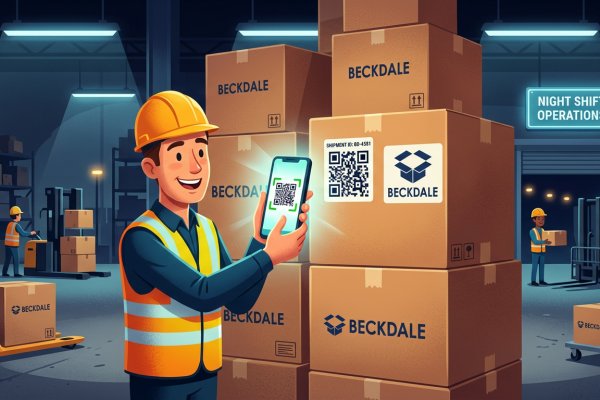
Perhaps the most transformative aspect of modern Shopify fulfilment is seamless integration between your online store and warehouse operations. Gone are the days of manually emailing order spreadsheets or calling in daily shipment requirements. Today's data flow integration creates a real-time connection that automates the entire fulfilment workflow.
How Shopify Integration Works
When properly configured, Shopify integration creates a continuous information exchange:
- Customer completes purchase on your Shopify store
- Order details automatically transmit to the UK warehouse
- Warehouse management system assigns the order to picking queues
- Items are collected from picking bins and packed
- Shipping labels generate automatically with optimal carrier selection
- Tracking information flows back to Shopify and notifies the customer
- Inventory levels update in real-time across all sales channels
This integration eliminates manual intervention, reducing errors and accelerating fulfilment times. For merchants utilizing multi-channel fulfilment, integrated systems ensure consistent inventory visibility whether selling through Shopify, Amazon, or marketplace platforms.
Key Integration Features to Prioritize
When evaluating fulfilment partners or software solutions, prioritize these integration capabilities:
- Real-time inventory synchronization: Prevent overselling and stockouts
- Automated order routing: Direct orders to appropriate fulfilment locations
- Tracking visibility: Provide customers with shipment updates
- Returns management: Streamline reverse logistics processing
- Analytics and reporting: Gain insights into fulfilment performance metrics
Businesses operating across multiple UK locations—from Cardiff to Newcastle—benefit tremendously from centralized integration that provides unified visibility regardless of where inventory is physically stored.
Haulier Partnerships: Your Connection to Customers
Even the most efficient warehouse operation depends on reliable haulier services to complete the final mile. Your choice of haulier directly impacts delivery speed, cost, and customer satisfaction. The relationship between fulfilment centers and hauliers represents a critical partnership that can make or break the customer experience.
Understanding Haulier Options
Different order profiles require different haulier solutions:
- Standard parcel carriers: Royal Mail, DPD, and Evri for typical consumer packages
- Premium couriers: Next-day and same-day services for urgent deliveries
- Pallet networks: B2B fulfilment requiring larger format shipping
- International specialists: Customs-cleared services for export orders
Professional courier services integrate directly with warehouse systems, enabling automatic carrier selection based on delivery requirements, package dimensions, and cost optimization algorithms.
Negotiating Haulier Rates
One significant advantage of partnering with established fulfilment providers is access to preferential haulier rates. A fulfilment warehouse processing thousands of shipments daily commands volume discounts impossible for individual merchants to achieve. These savings translate directly to lower fulfilment costs and improved profit margins.
When evaluating haulier partnerships, consider factors beyond just price:
- Delivery success rates and reliability
- Coverage areas and delivery speed
- Claims process and liability coverage
- Technology integration and tracking capabilities
- Environmental sustainability initiatives
Achieving Low Cost Fulfilment Without Compromising Quality
Every Shopify merchant seeks the holy grail: low cost fulfilment that maintains high service standards. This balance is achievable through strategic optimization across multiple operational dimensions.
Cost Reduction Strategies
Optimize packaging: Right-sized packaging reduces dimensional weight charges while protecting products. Businesses handling clothing fulfilment or beauty products can achieve significant savings through appropriate packaging selection.
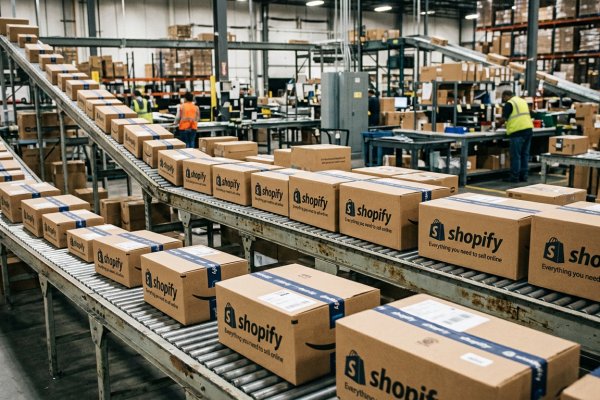
Leverage automation: Automated picking systems, conveyor sorting, and label printing reduce labor costs while increasing accuracy. The initial investment pays dividends through consistent operational efficiency.
Strategic inventory placement: Position stock closer to customer concentrations. While Beckdale operates from Leicester, understanding where your customers predominantly reside—whether Sheffield, Nottingham, or further afield—informs inventory strategy.
Consolidate shipments: Combining multiple items into single packages reduces per-unit shipping costs, particularly beneficial for customers ordering across product categories.
The True Cost of Fulfilment
Understanding comprehensive fulfilment costs requires examining all components:
- Storage fees: Calculated per pallet or cubic meter occupied
- Pick and pack charges: Labor costs for order processing
- Shipping expenses: Haulier fees and carrier surcharges
- Technology costs: Software licensing and integration maintenance
- Returns processing: Reverse logistics handling and restocking
Transparent pricing calculations help merchants accurately forecast fulfilment costs and set appropriate retail prices. Many businesses discover that professional 3PL services deliver lower total costs than self-fulfilment once all expenses are properly accounted for.
Selecting the Right Fulfilment Partner
For Shopify merchants ready to outsource fulfilment, choosing the right partner is crucial. Consider these essential criteria:
Technical Capabilities
Ensure your fulfilment partner offers robust Shopify integration with proven reliability. The system should handle your specific requirements, whether that's stock traceability for regulated products or batch and expiry management for consumables.
Scalability and Flexibility
Your fulfilment needs will evolve. Choose partners who accommodate seasonal fluctuations, product line expansions, and geographic growth without requiring contract renegotiations or operational disruptions.
Specialization and Experience
Some fulfilment providers specialize in specific sectors. If you're selling food products or operating in niche markets, industry-specific expertise ensures compliance and appropriate handling procedures.
Location Considerations
While physical proximity isn't always critical in the digital age, understanding your fulfilment partner's location helps with logistics planning. Centrally located facilities, such as those in Leicester, offer excellent connectivity to major UK population centers and transportation networks, enabling efficient distribution nationwide.
Future-Proofing Your Shopify Fulfilment
E-commerce continues evolving rapidly, and your fulfilment strategy must adapt accordingly. Emerging trends include:
- Sustainability initiatives: Eco-friendly packaging and carbon-neutral shipping options
- Same-day delivery expansion: Meeting rising customer expectations for speed
- Advanced automation: Robotics and AI-driven warehouse management
- Omnichannel integration: Unified fulfilment across online and physical retail
- Predictive analytics: AI-powered demand forecasting and inventory optimization
Partnering with forward-thinking fulfilment providers ensures you benefit from continuous innovation without bearing the entire investment burden. Professional website fulfilment services invest in technology and infrastructure improvements that individual merchants would find prohibitively expensive.
Conclusion
Successful Shopify order fulfilment combines efficient warehouse systems like optimized picking bins, seamless technological integration, strategic haulier partnerships, and relentless focus on cost optimization. Whether you're processing dozens or thousands of orders daily, the principles remain consistent: accuracy, speed, and affordability delivered through systematic operational excellence.
For merchants across the UK—from Southampton to Liverpool and everywhere between—the decision to outsource fulfilment represents a strategic investment in scalability and customer satisfaction. By partnering with experienced UK 3PL providers who understand the nuances of Shopify integration, inventory management, and efficient shipping, you free resources to focus on what you do best: sourcing great products and growing your brand.
The e-commerce landscape rewards businesses that deliver exceptional customer experiences. With proper fulfilment infrastructure supporting your Shopify store, you're positioned not just to meet customer expectations but to exceed them consistently—building the loyalty and reputation that transforms one-time buyers into lifelong advocates for your brand.