The Evolution of Ecommerce Fulfilment in the United Kingdom
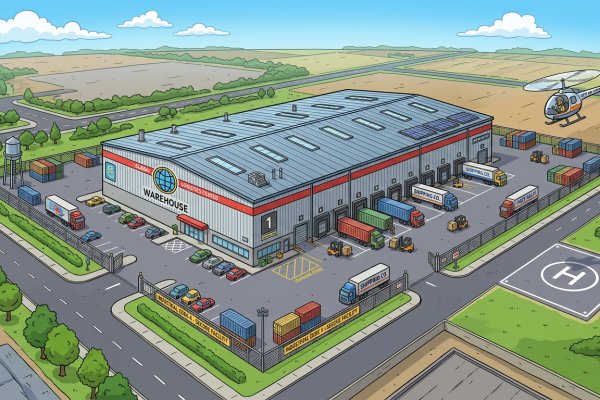
The landscape of ecommerce fulfilment in the United Kingdom has transformed dramatically over the past decade, evolving from basic warehousing operations into sophisticated, technology-driven logistics ecosystems. As online retail continues to dominate consumer purchasing behaviour, businesses across the UK are recognising that UK fulfilment capabilities can make or break their competitive advantage. From the bustling commercial centres of London to strategic logistics hubs in Leicester, Birmingham, and Manchester, fulfilment operations have become the backbone of successful ecommerce enterprises.
Modern ecommerce fulfilment encompasses far more than simply storing products and shipping orders. It represents a comprehensive service that integrates inventory management, order processing, quality assurance, packaging, and distribution into a seamless operation. For businesses seeking to scale efficiently whilst maintaining customer satisfaction, partnering with a professional UK 3PL provider offers the infrastructure and expertise necessary to compete in today's demanding marketplace.
Quality Control: The Cornerstone of Fulfilment Excellence
Quality control within ecommerce fulfilment operations serves as the critical safeguard between your brand reputation and customer satisfaction. In an environment where a single negative review can influence thousands of potential customers, maintaining rigorous quality standards throughout the fulfilment process is non-negotiable.
Inbound Quality Inspection Processes
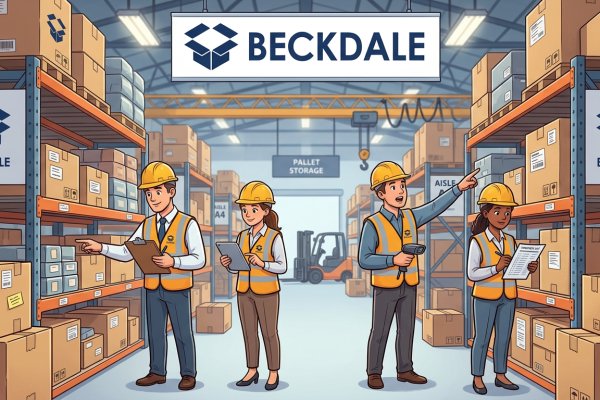
The quality control journey begins the moment inventory arrives at a fulfilment warehouse. Professional fulfilment centres implement systematic inbound inspection procedures that verify product condition, quantities, and specifications against purchase orders. This initial checkpoint identifies damaged goods, discrepancies, or quality issues before products enter inventory systems, preventing problematic items from reaching end customers.
Leading UK fulfilment providers employ dedicated quality control teams who examine incoming shipments for:
- Physical damage to products or packaging during transit
- Accuracy of shipment quantities against documentation
- Product authenticity and compliance with specifications
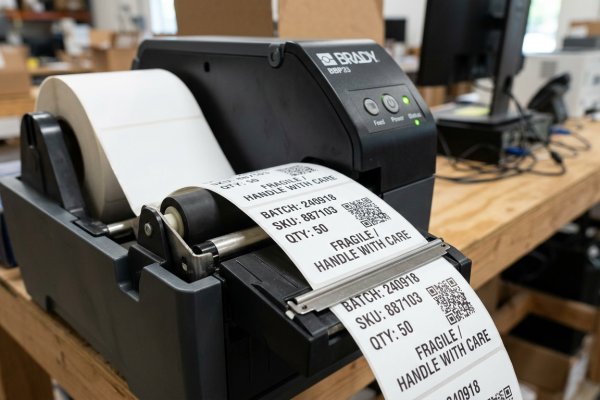
- Proper labelling and batch and expiry date verification
- Appropriate storage requirements for temperature-sensitive items
Ongoing Quality Management Throughout Storage
Quality control doesn't end with inbound inspections. Throughout the storage phase, sophisticated stock traceability systems monitor inventory conditions, track rotation schedules for perishable goods, and flag items approaching expiry dates. Climate-controlled environments protect sensitive products, whilst regular cycle counts ensure inventory accuracy aligns with digital records.
For businesses dealing with food products, beauty items, or clothing, these environmental controls and monitoring systems prove essential for maintaining product integrity throughout the supply chain.
Pick, Pack and Dispatch Quality Assurance
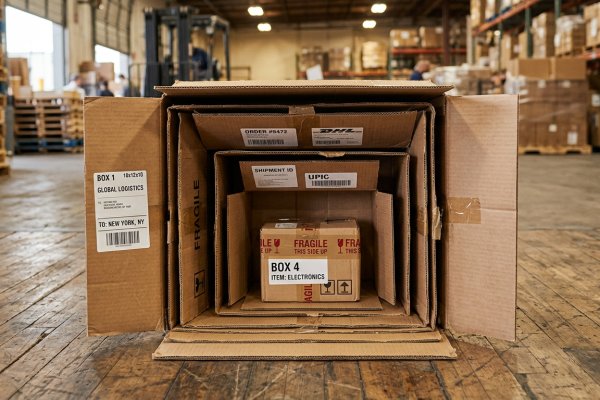
The final quality control checkpoint occurs during order fulfilment itself. Barcode scanning technology, weight verification systems, and visual inspection protocols combine to ensure customers receive exactly what they ordered in perfect condition. This multi-layered approach significantly reduces error rates and returns, protecting both customer satisfaction and profit margins.
B2B Fulfilment: Meeting Corporate Client Expectations
Whilst consumer-focused ecommerce often dominates fulfilment discussions, B2B fulfilment represents a substantial and growing segment of the UK logistics landscape. Business-to-business operations demand distinct capabilities and service levels that differ considerably from traditional B2C fulfilment.
Volume and Complexity in B2B Operations
B2B orders typically involve larger quantities, more complex specifications, and stricter delivery windows than consumer orders. A London-based retailer ordering stock for multiple store locations requires precise allocation, specific delivery scheduling, and often customised packaging or labelling. Professional UK 3PL fulfilment providers structure their operations to accommodate these requirements, offering dedicated account management and flexible service configurations.
Documentation and Compliance Requirements
Business clients frequently require detailed documentation accompanying their orders, including commercial invoices, packing lists, certificates of conformity, and customs declarations for international shipments. Fulfilment operations serving the B2B sector must integrate these documentation requirements seamlessly into their workflow, ensuring accuracy and compliance with industry-specific regulations.
Customisation and Value-Added Services
B2B relationships often necessitate customised solutions such as contract packing, kitting, assembly, or branded packaging. These value-added services transform basic fulfilment into strategic partnerships where the 3PL provider becomes an extension of the client's operations. Companies across Manchester, Leeds, and Bristol increasingly seek fulfilment partners capable of delivering these specialised services alongside traditional warehousing.
Supply Chain Integration and Resilience
Modern ecommerce success depends upon robust, agile supply chains that can adapt to market fluctuations, seasonal demand variations, and unexpected disruptions. The UK's position as a global trading hub presents both opportunities and challenges for supply chain management.
Strategic Location and Distribution Networks
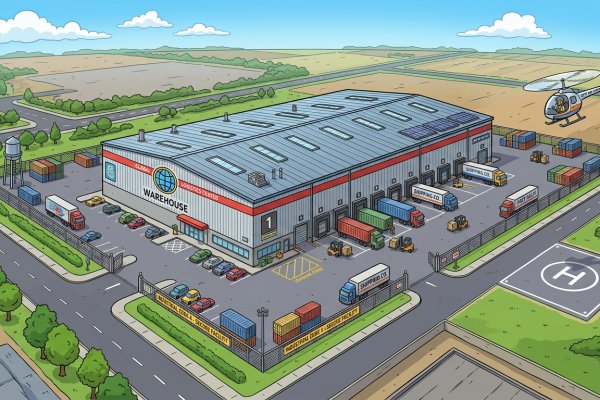
Geographic positioning significantly impacts fulfilment efficiency and delivery times. Whilst London offers proximity to the largest consumer market and excellent international connectivity through its ports and airports, locations like Leicester provide central UK positioning with excellent motorway access, lower operational costs, and proximity to the national distribution grid. www.beckdaleshipping.co.uk operates from Leicester, leveraging these strategic advantages to serve clients throughout the United Kingdom efficiently.
The most effective supply chain strategies often incorporate multiple touchpoints across the country, enabling two-day or next-day delivery to most UK postcodes whilst managing costs effectively.
Technology-Enabled Supply Chain Visibility
Contemporary fulfilment operations rely heavily on sophisticated data integration systems that provide real-time visibility across the entire supply chain. These platforms connect suppliers, fulfilment centres, carriers, and retailers into unified ecosystems where inventory levels, order status, and shipment tracking update automatically.
This transparency enables proactive management rather than reactive problem-solving. When inventory levels fall below thresholds, automated reordering triggers. When carrier performance issues emerge, alternative routing activates. When demand patterns shift, inventory distribution adjusts accordingly.
Multi-Channel Integration
Today's ecommerce businesses rarely operate through single channels. A typical retailer might sell through their own website, Amazon (both FBA and FBM), eBay, television shopping channels, and physical retail locations simultaneously. Professional website fulfilment services integrate these disparate channels into unified inventory pools, preventing overselling whilst maximising stock utilisation across all sales platforms.
The London Factor: Opportunities and Considerations
London's status as the UK's commercial capital and Europe's largest consumer market makes it a critical consideration in any national fulfilment strategy. The capital presents unique opportunities alongside distinct challenges for ecommerce operations.
Market Access and Customer Proximity
With over nine million residents and millions more in the surrounding metropolitan area, London represents an enormous concentration of purchasing power. Businesses targeting premium consumer segments often find London-based operations advantageous for rapid delivery and premium service offerings. Same-day delivery services, which command premium pricing, become economically viable with London-based inventory positioning.
Operational Cost Considerations
However, London's advantages come with significant cost premiums. Warehouse space in and around the capital commands some of the highest rates in Europe, whilst labour costs, business rates, and operational expenses substantially exceed those in other UK regions. For many businesses, particularly those in growth phases or operating on tighter margins, these cost differentials make London-based fulfilment economically challenging.
Hybrid Distribution Strategies
Forward-thinking businesses increasingly adopt hybrid approaches that balance London's market access against more cost-effective regional fulfilment capabilities. Fast-moving inventory serving London and the Southeast might be positioned closer to the capital, whilst bulk inventory and slower-moving SKUs operate from more economical locations like Leicester, Northampton, or Rugby. This strategic inventory positioning optimises both service levels and operational economics.
Choosing the Right Fulfilment Partner
Selecting an appropriate UK warehouse and fulfilment provider represents one of the most significant operational decisions ecommerce businesses make. The right partnership accelerates growth and enhances customer satisfaction, whilst poor provider selection can damage brand reputation and constrain scalability.
Key Evaluation Criteria
When assessing potential fulfilment partners, businesses should evaluate:
- Technology capabilities: System integrations, reporting dashboards, and automation levels
- Scalability: Capacity to accommodate growth and seasonal fluctuations
- Service flexibility: Willingness to customise processes and accommodate unique requirements
- Quality standards: Documented processes, error rates, and continuous improvement programmes
- Geographic positioning: Location advantages for your target markets
- Pricing transparency: Clear fee structures without hidden charges; explore pricing calculators and pricing examples
- Client references: Testimonials and case studies from similar businesses
The Partnership Approach
The most successful fulfilment relationships transcend simple vendor-client transactions, evolving into strategic partnerships where both parties invest in mutual success. This collaborative approach encourages open communication, shared problem-solving, and continuous process refinement that benefits all stakeholders including end customers.
Future Trends Shaping UK Ecommerce Fulfilment
The fulfilment landscape continues evolving rapidly, driven by technological advancement, changing consumer expectations, and environmental consciousness. Businesses planning long-term fulfilment strategies should consider emerging trends that will shape the industry's future.
Sustainability and Environmental Responsibility
Consumers increasingly favour brands demonstrating environmental responsibility. Fulfilment operations are responding through sustainable packaging materials, electric vehicle fleets, renewable energy adoption, and optimised routing that reduces carbon emissions. These initiatives transform from competitive differentiators into baseline expectations across Birmingham, Glasgow, and throughout the United Kingdom.
Automation and Robotics
Warehouse automation technologies continue advancing, with robotic picking systems, automated guided vehicles, and AI-powered inventory optimisation becoming increasingly accessible even to mid-sized operations. These technologies enhance efficiency, accuracy, and scalability whilst addressing labour market challenges.
Micro-Fulfilment and Localisation
The demand for faster delivery drives interest in micro-fulfilment centres positioned closer to urban populations. These compact facilities enable same-day and rapid delivery services, particularly in high-density areas, complementing traditional large-scale warehouse operations.
Conclusion: Excellence Through Integration
Success in UK ecommerce fulfilment emerges from the seamless integration of quality control, technological capability, strategic positioning, and operational excellence. Whether serving B2B clients with complex requirements or direct consumers expecting rapid delivery, professional shipping services and fulfilment operations provide the foundation upon which successful ecommerce businesses build.
As the industry continues evolving, businesses that prioritise quality, embrace technology, and partner with capable fulfilment providers position themselves advantageously for sustained growth. From London's dynamic marketplace to Leicester's strategic distribution advantages, the UK offers diverse fulfilment solutions capable of supporting businesses at every stage of their ecommerce journey.
The question isn't whether professional fulfilment services matter—it's finding the right partner whose capabilities, values, and service philosophy align with your business objectives and growth ambitions.