Top 5 Reasons London Brands Outsource Small Product Fulfillment
The landscape of ecommerce in London has transformed dramatically over the past decade. From innovative startups in Shoreditch to established brands in Mayfair, businesses selling small products are increasingly recognizing that managing their own warehousing and fulfilment operations isn't the path to sustainable growth. Instead, they're turning to specialized UK 3PL providers who understand the unique challenges of handling compact inventory at scale.
This strategic shift isn't simply about reducing overhead costs—it's about leveraging technology, expertise, and infrastructure that would take years and significant capital investment to develop independently. Let's explore the five compelling reasons why London's most successful ecommerce brands are choosing to outsource their small product fulfilment operations.
1. Advanced Technology Without the Capital Investment
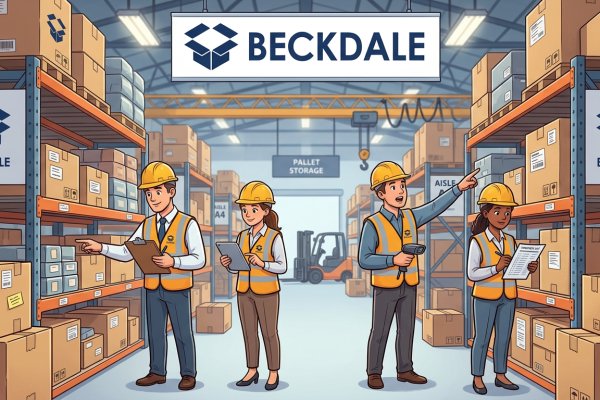
The technology required to run a competitive ecommerce operation has become increasingly sophisticated. Modern fulfilment centers now employ warehouse management systems, automated picking technology, real-time inventory tracking, and seamless integration with multiple sales channels. For a London-based business selling small products like cosmetics, supplements, or accessories, building this infrastructure independently represents a substantial financial burden.
The Technology Gap Widening
When you outsource to a professional UK 3PL Fulfilment provider, you immediately gain access to enterprise-level systems without the enterprise-level investment. These facilities utilize:
- Real-time inventory management systems that sync automatically with your Shopify, WooCommerce, or Amazon storefronts
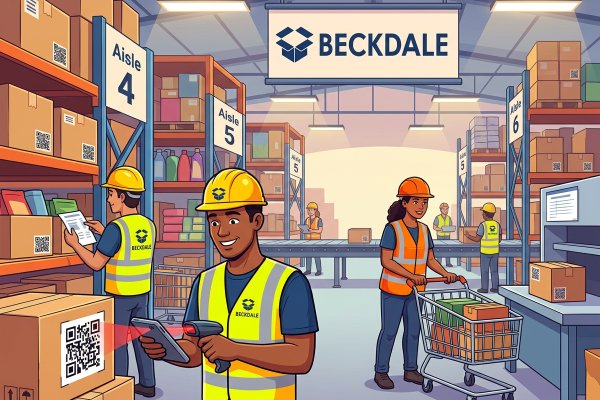
- Barcode scanning technology that ensures accuracy rates exceeding 99.8%
- Automated picking systems specifically designed for small product handling
- Integration capabilities through API data flow that connects your entire sales ecosystem
- Sophisticated reporting dashboards providing visibility into every aspect of your inventory and order processing
Consider a beauty brand operating from London—perhaps they've built a following through Instagram and now process 500 orders daily. Managing this volume requires not just technology but also the expertise to maintain and optimize these systems continuously. By partnering with specialists who handle beauty product fulfilment, they access technology that would otherwise require a dedicated IT team and substantial ongoing investment.
Data-Driven Decision Making
Modern technology in fulfilment operations isn't just about processing orders faster—it's about gathering actionable intelligence. Professional UK Fulfilment providers offer detailed analytics on everything from peak ordering times to product velocity, enabling brands to make informed decisions about inventory levels, promotional timing, and product development.
This level of stock traceability and reporting would require significant development resources for an independent operation but comes standard when outsourcing to experienced providers.
2. Scalability That Matches Market Demands
London's ecommerce market is notoriously volatile. A viral TikTok video can transform a small skincare brand's daily order volume from 50 to 5,000 overnight. Traditional warehousing simply cannot accommodate these dramatic fluctuations without either maintaining expensive excess capacity or turning away business during peak periods.
Flexible Capacity for Small Products
Small products present unique scalability advantages when stored in professional fulfilment centers. Unlike bulky items that require significant floor space, compact inventory like jewelry, vitamins, or tech accessories can be densely stored and rapidly scaled. However, this requires specialized racking systems, climate control, and organization that most businesses cannot justify independently.
When you work with a B2C fulfilment specialist, your storage footprint can expand or contract based on actual needs. During Q4 when many London retailers see 300-400% volume increases, your fulfilment partner absorbs this surge without requiring long-term commitments to space you won't need in January.
Geographic Expansion Made Simple
Many London brands discover that while their headquarters benefits from the capital's creative energy and talent pool, their fulfilment operations function more efficiently from central UK locations. Leicester, for instance, offers superior logistics connectivity with direct access to the M1 motorway network, reducing delivery times to both northern cities like Manchester and Leeds, as well as southern markets including Brighton and Southampton.
This geographic optimization allows London-based brands to maintain their identity and creative operations in the capital while benefiting from more cost-effective and logistically superior warehouse fulfilment elsewhere in the UK.
3. Specialized Expertise in Small Product Handling
Not all fulfilment operations are created equal. Small products demand specialized handling protocols that differ significantly from managing larger items. Issues like precise picking accuracy, secure packaging for delicate items, and efficient use of space require experience and systems specifically designed for compact inventory.
Industry-Specific Knowledge
Whether you're managing food products with strict expiry date requirements, clothing accessories that need organized categorization, or electronics requiring anti-static environments, professional fulfilment providers bring deep sector expertise that prevents costly mistakes.
This specialization extends to understanding compliance requirements, particularly important for London businesses serving international markets. Professional providers maintain knowledge of customs documentation, restricted substance regulations, and country-specific packaging requirements that can derail amateur operations.
Quality Control Systems
For small products, even minor quality issues can significantly impact customer experience. A missing component in a craft kit, an incorrect shade of makeup, or a damaged supplement bottle creates disproportionate customer service overhead for businesses already stretched thin.
Established UK 3PL operations implement multi-stage quality control processes, including batch and expiry tracking for perishable goods, pre-shipment inspections, and photographic evidence of packaging condition. These systems protect brand reputation far more effectively than hastily assembled in-house alternatives.
4. Focus on Core Business Competencies
London's competitive ecommerce environment demands relentless focus on product development, marketing, and customer experience. Every hour founders and teams spend managing warehouse issues, negotiating with courier services, or troubleshooting inventory discrepancies represents time diverted from revenue-generating activities.
The True Cost of DIY Fulfilment
Many London entrepreneurs underestimate the hidden costs of managing their own fulfilment. Beyond rent for warehouse space (astronomical in London, expensive even in surrounding areas), consider:
- Staff recruitment, training, and retention in a tight labor market
- Insurance, security systems, and facility maintenance
- Packaging materials procurement and storage
- Technology licensing and IT support
- Compliance certifications and regular audits
- Returns processing infrastructure and protocols
When calculated comprehensively, these expenses often exceed the costs of outsourcing to specialists, even before factoring in opportunity costs and the capital that remains locked in fulfilment infrastructure rather than growth initiatives.
Strategic Resource Allocation
The most successful London ecommerce brands recognize that their competitive advantage lies in product innovation, brand building, and customer relationships—not in warehouse operations. By outsourcing to www.beckdaleshipping.co.uk or similar Fulfilment Warehouse specialists, they redirect resources toward differentiating activities that actually drive market position.
A tech accessories brand based in London, for example, creates more value by refining product design and expanding their influencer partnerships than by optimizing packing station workflows—tasks that specialists handle more efficiently anyway.
5. Cost Efficiency Through Economies of Scale
Professional fulfilment providers serve multiple clients, allowing them to negotiate shipping rates, purchase packaging materials, and utilize technology at scales individual businesses cannot match. These savings transfer directly to clients through more competitive pricing structures.
Shipping Rate Advantages
Perhaps nowhere is the economy of scale more evident than in shipping costs. A London business shipping 200 parcels daily pays significantly higher per-unit courier rates than a fulfilment center dispatching 20,000 daily parcels. These negotiated rates—often 30-40% below published tariffs—represent substantial savings that compound across thousands of shipments.
For small products specifically, dimensional weight pricing can be particularly punitive when shipping inefficiently. Professional operations optimize packaging dimensions precisely to weight, ensuring you're never charged for empty air inside oversized boxes.
Flexible Commercial Models
Modern B2B fulfilment arrangements offer variable cost structures that align expenses with revenue. Rather than fixed overhead regardless of sales volume, outsourced fulfilment typically operates on per-unit handling fees, making costs proportional to business activity.
This variable cost model proves particularly advantageous for seasonal businesses or brands testing new markets. A Christmas decoration retailer based in London, for instance, avoids maintaining year-round warehouse staff and space for products that only sell intensively for 10 weeks annually.
Transparent Cost Structures
Reputable fulfilment providers offer detailed pricing examples and transparent fee structures, allowing businesses to forecast costs accurately. This predictability enables better financial planning than managing the variable and sometimes unexpected expenses of independent warehouse operations.
Making the Strategic Decision
For London-based ecommerce businesses selling small products, the decision to outsource fulfilment represents more than operational convenience—it's a strategic choice that can fundamentally determine growth trajectory and competitive positioning. The technology infrastructure, specialized expertise, scalability, focus advantages, and cost efficiencies available through professional UK Warehouse providers create a compelling case that becomes stronger as businesses scale.
Whether you're a startup shipping your first hundred orders or an established brand processing thousands daily, the fulfilment landscape has evolved to offer sophisticated, flexible solutions that were simply unavailable a decade ago. The question for ambitious London ecommerce businesses isn't whether to eventually outsource—it's whether delaying that decision is costing more than you realize.
By partnering with experienced specialists who understand the unique demands of small product fulfilment, London brands position themselves to compete not just locally but nationally and internationally, leveraging infrastructure and expertise that would take years to develop independently.