The fulfilment landscape has evolved dramatically over the past decade, driven by technological innovation and changing consumer expectations. Today's successful fulfilment operations rely on sophisticated tools and technologies that streamline processes, reduce costs, and enhance customer satisfaction. Whether you're managing a growing e-commerce business or operating a large-scale warehouse, understanding and implementing the right tools can make the difference between thriving and merely surviving in this competitive industry.
In this comprehensive guide, we'll explore the top 10 essential tools that are transforming modern fulfilment operations across the UK and beyond. From transparent pricing mechanisms to cutting-edge warehouse management systems, these solutions are helping businesses of all sizes achieve operational excellence.
1. Price Calculators: Transparency in Fulfilment Costs
One of the most significant challenges businesses face when selecting a UK 3PL provider is understanding the true cost of fulfilment services. Traditional pricing models often involve complex fee structures that can be difficult to decipher, leading to unexpected charges and budget overruns.
Modern price calculators have revolutionized this aspect of the industry by providing instant, transparent cost estimates. These digital tools allow businesses to input their specific requirements—such as storage volume, order frequency, and packaging needs—and receive detailed breakdowns of projected costs.
Benefits of Using a Fulfilment Price Calculator
- Instant cost projections without lengthy sales processes
- Ability to compare different service scenarios
- Budget planning and financial forecasting
- Identification of cost-saving opportunities
- Transparency that builds trust between provider and client
The Beckdale Price Calculator, available through their pricing calculator page, exemplifies this approach by offering businesses a straightforward way to understand fulfilment costs before making commitments. This level of transparency empowers businesses to make informed decisions and select services that align with their budget and operational requirements.
2. Warehouse Management Software (WMS): The Central Nervous System
At the heart of every efficient fulfilment operation lies robust WMS software. This technology serves as the central nervous system of warehouse operations, coordinating everything from inventory receipt to order dispatch. Modern WMS solutions have evolved far beyond simple stock tracking to become comprehensive platforms that optimize every aspect of warehouse operations.
Key Features of Advanced WMS Software
Contemporary WMS platforms offer an impressive array of capabilities designed to maximize efficiency and accuracy:
- Real-time inventory tracking across multiple locations and channels
- Intelligent picking optimization that reduces travel time and increases productivity
- Automated replenishment systems that prevent stockouts
- Integration capabilities with e-commerce platforms and marketplaces
- Reporting and analytics that provide actionable insights
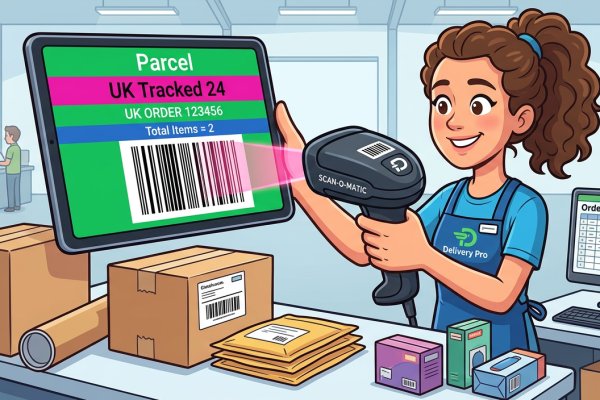
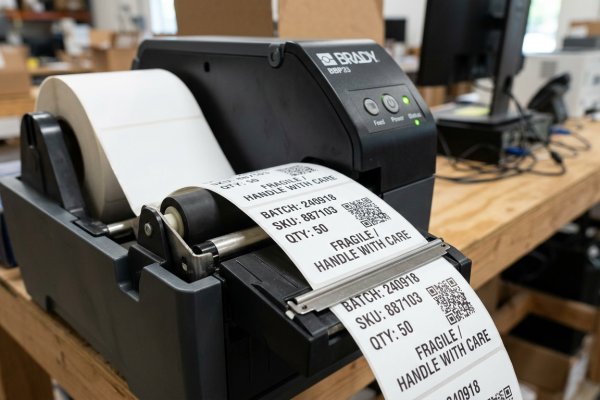
- Barcode and RFID scanning for accuracy and traceability
For businesses operating across Manchester, Birmingham, London, and other major UK cities, stock traceability features within WMS software ensure complete visibility of inventory movements, which is particularly crucial for sectors like beauty, food, and pharmaceuticals.
3. D2C Platform Integration: Direct Customer Connections
The Direct-to-Consumer (D2C) model has transformed retail, allowing brands to bypass traditional intermediaries and build direct relationships with their customers. This shift requires fulfilment operations that can handle the unique demands of consumer-direct shipping, including variable order sizes, branded packaging, and rapid delivery expectations.
Successful D2C fulfilment requires seamless integration between your sales channels and your fulfilment provider. Modern integration tools enable real-time order synchronization, inventory updates, and tracking information sharing, creating a smooth customer experience from click to delivery.
Why D2C Fulfilment Differs from Traditional Models
D2C operations demand a different approach compared to wholesale or retail distribution. The focus shifts to individual consumer experiences, personalization, and the ability to handle high volumes of small orders efficiently. Leicester-based operations, like those at www.beckdaleshipping.co.uk, have adapted their infrastructure specifically to meet these evolving D2C demands.
4. API and Data Integration Tools
In today's interconnected digital ecosystem, the ability to share data seamlessly between systems is paramount. API data integrations enable your e-commerce platform, marketplace accounts, and fulfilment provider to communicate in real-time, eliminating manual data entry and reducing errors.
These integration tools ensure that when a customer in Edinburgh places an order through your Shopify store, that information instantly reaches your UK fulfilment warehouse, triggering the picking and packing process without any human intervention.
5. Automated Order Processing Systems
Speed is critical in modern e-commerce, where customers expect same-day or next-day delivery. Automated order processing systems eliminate bottlenecks by routing orders directly from sales channels to warehouse picking systems, dramatically reducing processing times.
These systems can automatically apply business rules, such as prioritizing premium customers, routing orders based on inventory location, or flagging orders that require special handling—all without manual intervention.
6. Inventory Forecasting and Demand Planning Tools
Maintaining optimal inventory levels is a delicate balance. Too much stock ties up capital and increases storage costs; too little leads to stockouts and lost sales. Advanced inventory forecasting tools use historical data, seasonal trends, and even external factors like weather patterns or social media trends to predict future demand with remarkable accuracy.
For businesses dealing with products that have expiry dates and batch numbers, such as food or beauty products, these forecasting capabilities are essential for minimizing waste while ensuring product availability.
7. Multi-Channel Shipping Solutions
Today's consumers shop across multiple platforms—your website, Amazon, eBay, social media marketplaces—and expect the same level of service regardless of where they place their order. Multi-channel shipping solutions consolidate orders from all these sources into a single fulfilment workflow.
Advanced courier services integration allows businesses to automatically select the most cost-effective shipping method based on destination, package size, and delivery timeframe, optimizing both cost and customer satisfaction.
Supporting Diverse Fulfilment Models
Whether you're using Fulfilled By Amazon (FBA) for some products and Amazon FBM for others, or managing both B2B fulfilment and consumer orders, integrated shipping solutions ensure consistent, efficient processing across all channels.
8. Returns Management Platforms
Returns are an inevitable aspect of e-commerce, particularly in sectors like clothing, where return rates can exceed 30%. Effective returns management platforms streamline the reverse logistics process, providing customers with easy return options while enabling warehouses to quickly process returned items back into sellable inventory.
These systems generate return labels, track returned items, and can automatically trigger refunds or exchanges once items are received and inspected, creating a positive customer experience even when products don't work out.
9. Quality Control and Inspection Technology
Maintaining quality standards is essential for brand reputation and customer retention. Modern quality control technologies incorporate visual inspection systems, weight verification, and automated checks that ensure orders are accurate and products meet quality standards before they leave the warehouse.
For specialized operations like QVC TV shopping packing or contract packing, where presentation and accuracy are paramount, these quality control systems provide an additional layer of assurance.
10. Analytics and Reporting Dashboards
Data-driven decision making separates successful fulfilment operations from struggling ones. Comprehensive analytics and reporting dashboards provide visibility into every aspect of your operation, from order cycle times and picking accuracy to inventory turnover and shipping costs.
These insights enable continuous improvement, helping businesses identify inefficiencies, optimize processes, and ultimately reduce costs while improving service levels. For businesses operating across Bristol, Leeds, and other UK markets, these dashboards provide the intelligence needed to scale operations efficiently.
Key Metrics to Monitor
- Order accuracy rates
- Average order processing time
- Inventory turnover ratios
- Storage utilization rates
- Shipping cost per order
- Returns processing time
- Customer satisfaction scores
Implementing the Right Tools for Your Business
While these ten tools represent the cutting edge of fulfilment technology, not every business needs every tool from day one. The key is to assess your specific operational challenges and growth objectives, then prioritize tools that address your most pressing needs.
For businesses just starting with outsourced fulfilment, beginning with the fundamentals—a transparent price calculator like the Beckdale Price Calculator, robust WMS software, and solid UK warehouse integration—provides a strong foundation. As your operation grows and becomes more complex, you can layer on additional capabilities like advanced forecasting, multi-channel integration, and sophisticated analytics.
The Leicester Advantage in Fulfilment Technology
Location matters in fulfilment, and Leicester's central position in the UK provides strategic advantages for businesses serving customers nationwide. When combined with cutting-edge technology and expertise in specialized sectors like beauty products and food distribution, Leicester-based fulfilment providers offer compelling value propositions.
The implementation of these ten essential tools creates a technology ecosystem that can adapt to changing market conditions, scale with your business growth, and provide the reliability that modern consumers expect. Whether you're managing custom sendouts for marketing campaigns or handling high-volume daily shipments, the right technology infrastructure makes all the difference.
Conclusion: Building Your Competitive Advantage
The modern fulfilment landscape demands more than just warehouse space and shipping capabilities. Success requires a sophisticated technology stack that provides visibility, control, and efficiency across every aspect of the supply chain. From transparent pricing tools that help you make informed decisions to WMS software that optimizes every warehouse movement, these ten essential tools form the foundation of competitive fulfilment operations.
As e-commerce continues to evolve and customer expectations continue to rise, businesses that invest in the right technology will be best positioned to thrive. Whether you're exploring pricing examples to understand costs or seeking to understand how different tools integrate with your existing systems, taking time to evaluate and implement these solutions will pay dividends in operational efficiency, cost savings, and customer satisfaction.
The journey toward fulfilment excellence begins with understanding what's possible and taking practical steps to implement solutions that address your specific challenges. With the right tools in place, your fulfilment operation transforms from a cost center into a competitive advantage that drives growth and customer loyalty.