How Does Shopify Order Fulfilment Work?
The explosive growth of e-commerce has transformed how businesses operate, with Shopify emerging as one of the leading platforms for online retailers worldwide. However, success in e-commerce extends far beyond creating an attractive storefront. The backbone of any thriving Shopify store lies in its order fulfilment capabilities, which encompasses everything from managing imports and coordinating transportation to optimizing the entire supply chain network.
Understanding how these elements interconnect is crucial for businesses looking to scale efficiently whilst maintaining customer satisfaction. This comprehensive guide explores the intricate relationship between Shopify order fulfilment, supply chain management, transportation logistics, and import procedures that collectively determine your e-commerce success.
Understanding Shopify Order Fulfilment Fundamentals
Order fulfilment represents the complete process from the moment a customer places an order on your Shopify store until the product arrives at their doorstep. This seemingly straightforward transaction involves numerous complex steps that must function seamlessly to create a positive customer experience.
The typical UK Fulfilment process includes receiving inventory, storing products securely, picking items when orders arrive, packing them appropriately, and arranging for transportation to the customer. For Shopify merchants, these operations must integrate flawlessly with their online platform to provide real-time inventory updates and accurate tracking information.
In-House Versus Outsourced Fulfilment
Shopify merchants face a critical decision: should they handle fulfilment internally or partner with a UK 3PL provider? Each approach offers distinct advantages depending on business scale, product type, and growth trajectory.
In-house fulfilment provides complete control over the entire process, allowing businesses to maintain direct oversight of quality standards and customer experience. Many start-ups and smaller merchants in cities like Manchester, Birmingham, and Bristol begin with this approach, handling orders from home offices or small warehouse spaces.
However, as order volumes increase, the complexities multiply exponentially. Outsourced fulfilment through specialized providers offers scalability, expertise, and infrastructure that would be prohibitively expensive to develop independently. Professional Business to Consumer (B2C) fulfilment operations can accommodate seasonal fluctuations, manage returns efficiently, and integrate sophisticated technology that syncs directly with Shopify platforms.
The Critical Role of Supply Chain Management
Behind every successful Shopify order lies a well-orchestrated supply chain network that connects suppliers, manufacturers, warehouses, and customers across potentially thousands of miles. Supply chain management encompasses the planning and execution of all activities involved in sourcing, procurement, conversion, and logistics.
For Shopify merchants, particularly those selling physical products, the supply chain represents both the greatest opportunity and the most significant vulnerability. Disruptions anywhere in this network—whether caused by supplier delays, transportation bottlenecks, or customs complications—directly impact your ability to fulfil customer orders promptly.
Building Resilient Supply Chain Networks
The pandemic years dramatically highlighted the fragility of global supply chains, teaching merchants valuable lessons about resilience and redundancy. Forward-thinking Shopify businesses now implement several protective strategies:
- Supplier diversification: Relying on multiple suppliers across different geographical regions reduces vulnerability to localized disruptions
- Inventory buffering: Maintaining strategic safety stock levels provides cushioning against unexpected demand spikes or supply interruptions
- Supply chain visibility: Implementing Stock Traceability systems that provide real-time tracking of goods throughout the supply chain
- Strategic warehousing: Positioning inventory closer to customer concentrations in key areas like London, Leeds, and Edinburgh reduces delivery times and transportation costs
Modern Data Flow technologies enable Shopify merchants to monitor their supply chains with unprecedented precision, identifying potential disruptions before they impact customer orders and implementing contingency plans proactively.
Navigating Imports for International Sourcing
The vast majority of Shopify merchants source at least some products internationally, making import procedures a fundamental component of their fulfilment strategy. Understanding customs regulations, documentation requirements, and duty calculations is essential for maintaining smooth operations and avoiding costly delays.
Import Documentation and Compliance
Successful importing requires meticulous attention to paperwork and regulatory compliance. Key documents typically include commercial invoices, packing lists, bills of lading, certificates of origin, and product-specific certifications depending on your industry.
For businesses importing Beauty products, Clothing, or Food items, additional regulatory requirements apply. Cosmetics must comply with safety regulations, clothing may face textile import quotas, and food products require health certificates and detailed ingredient declarations.
Working with experienced customs brokers or comprehensive Shipping Services providers who understand these complexities can dramatically reduce import-related headaches. These specialists navigate the regulatory landscape on your behalf, ensuring compliance whilst expediting clearance processes.
Duty and Tax Considerations
Import duties and taxes significantly impact your product costs and pricing strategies. The UK applies customs duties based on product classification codes (HS codes), with rates varying considerably across categories. Additionally, VAT typically applies to imported goods, affecting your cash flow and accounting procedures.
Savvy Shopify merchants incorporate these costs into their financial planning from the outset, avoiding the unpleasant surprise of discovering that import expenses have eliminated profit margins. Utilizing duty deferment accounts, bonded warehouses, and other legitimate optimization strategies can improve cash flow and reduce the financial burden of importing.
Transportation: The Physical Journey
Transportation represents the critical link connecting every node in your supply chain, from overseas manufacturers to your customers' doorsteps. For Shopify merchants, transportation decisions directly influence delivery speeds, shipping costs, and ultimately customer satisfaction levels.
International Freight Options
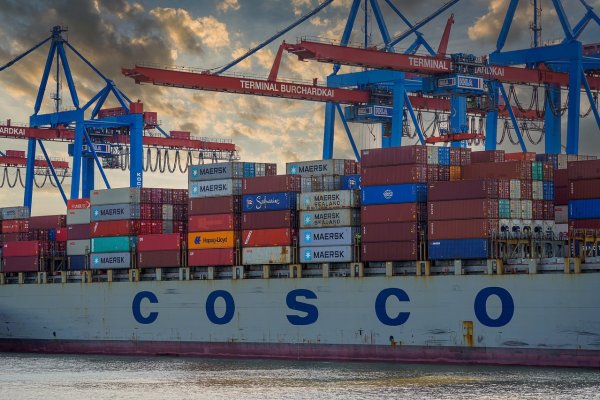
When importing inventory, merchants typically choose between air freight and ocean freight, each offering distinct trade-offs between speed and cost. Ocean freight provides economical transportation for large volumes but requires significantly longer transit times—often measured in weeks. Air freight delivers goods rapidly but at premium prices that may only justify high-value or time-sensitive products.
Strategic merchants often employ hybrid approaches, maintaining base inventory levels through economical ocean shipments whilst using air freight for replenishment orders when demand unexpectedly spikes or new products launch.
Last-Mile Delivery Excellence
The final stage of transportation—delivering from warehouse to customer—has become a key competitive differentiator in e-commerce. Customers increasingly expect fast, flexible, and transparent delivery options, creating pressure on fulfilment operations to optimize last-mile logistics.
Professional Courier Services provide the infrastructure for efficient last-mile delivery, offering everything from standard post to next-day and even same-day options in major metropolitan areas. The choice of carrier significantly impacts your shipping costs, delivery reliability, and customer experience.
Many successful Shopify merchants partner with UK Warehouse providers that maintain relationships with multiple carriers, enabling them to select the optimal service for each order based on destination, package dimensions, delivery timeframe, and cost considerations.
Integrating Technology with Shopify Fulfilment
Technology serves as the nervous system of modern order fulfilment, connecting disparate systems and enabling real-time information flow across the entire supply chain. Shopify's platform provides robust integration capabilities that allow merchants to connect fulfilment operations seamlessly with their online storefront.
Warehouse Management Systems
Sophisticated warehouse management systems (WMS) coordinate the physical movement and storage of inventory within Fulfilment Warehouse facilities. These systems optimize picking routes, manage bin locations, track Expiry and Batch numbers, and ensure accurate inventory counts that sync automatically with Shopify storefronts.
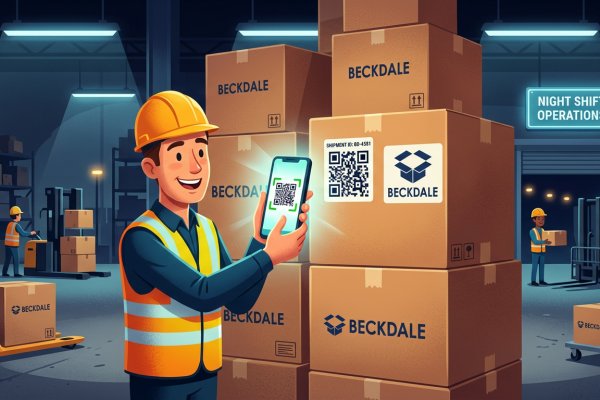
For merchants utilizing third-party logistics providers, WMS integration ensures that inventory visibility remains constant. When a customer purchases a product from your Shopify store, the WMS immediately updates stock levels, triggers picking instructions, and initiates the fulfilment process without manual intervention.
Order Management and Automation
Advanced order management systems automate routing decisions, directing orders to the optimal fulfilment location based on inventory availability, customer proximity, and shipping costs. Merchants with inventory distributed across multiple warehouses in locations like Leicester, Glasgow, and Southampton benefit enormously from intelligent order routing that minimizes shipping distances and accelerates delivery times.
These systems also streamline exception handling, automatically flagging orders requiring special attention—such as those containing age-restricted products, custom personalization, or items requiring special handling during packing.
Specialized Fulfilment Considerations
Different product categories and business models require tailored fulfilment approaches that address their unique characteristics and challenges.
B2B Versus B2C Fulfilment
Shopify merchants operating in both retail and wholesale channels face distinctly different fulfilment requirements. B2B Fulfilment typically involves larger order quantities, pallet shipments, and scheduled deliveries to commercial addresses, whilst B2C orders consist of individual items requiring protective packaging and residential delivery.
Flexible fulfilment operations accommodate both models, switching seamlessly between picking individual units for consumer orders and preparing bulk shipments for wholesale customers. This versatility enables businesses to maximize market opportunities without maintaining separate infrastructure for each channel.
Marketplace Integration
Many Shopify merchants expand beyond their proprietary stores to sell through marketplaces like Amazon. Fulfilled By Amazon (FBA) offers one fulfilment approach, whilst Amazon Fulfilled By Merchant (FBM) provides an alternative that maintains control over inventory and customer relationships.
Sophisticated fulfilment operations coordinate inventory across multiple sales channels, preventing overselling whilst maximizing inventory turnover. This multichannel capability becomes increasingly valuable as businesses diversify their revenue streams across platforms.
Optimizing Costs While Maintaining Quality
Fulfilment costs directly impact profitability, making cost optimization a perpetual priority for Shopify merchants. However, aggressive cost-cutting that compromises service quality ultimately damages customer relationships and brand reputation.
Understanding your fulfilment economics requires analyzing multiple cost components: warehouse storage fees, pick-and-pack charges, packaging materials, shipping expenses, and return processing costs. Professional providers typically offer transparent Pricing Calculator tools that help merchants model costs under various scenarios.
Reviewing Pricing Examples from actual operations provides realistic expectations about fulfilment costs across different product types and order profiles. This information enables informed decisions about pricing strategies, shipping policies, and fulfilment partnerships.
Value-Added Services
Beyond basic storage and shipping, many fulfilment providers offer value-added services that enhance product presentation and customer experience. Contract Packing services enable businesses to defer final assembly or customization until orders are received, reducing inventory complexity whilst offering personalization options.
Custom Sendouts accommodate special promotional campaigns, gift wrapping, sample distribution, and other activities that strengthen customer relationships and differentiate your brand from competitors utilizing generic fulfilment approaches.
Future-Proofing Your Fulfilment Strategy
The e-commerce landscape continues evolving rapidly, with customer expectations, technology capabilities, and competitive pressures constantly shifting. Building a fulfilment strategy that remains effective requires anticipating trends and maintaining operational flexibility.
Sustainability has emerged as a significant concern, with customers increasingly favoring businesses that demonstrate environmental responsibility. Fulfilment operations contribute substantially to carbon footprints through packaging waste and transportation emissions. Progressive merchants partner with providers implementing sustainable practices, from recyclable packaging materials to carbon-neutral shipping options.
The growth of omnichannel retail blurs lines between online and offline commerce, with concepts like click-and-collect, ship-from-store, and reserve-online-pickup-in-store requiring integrated inventory visibility and flexible fulfilment capabilities. Shopify merchants embracing these models need fulfilment partners who can adapt to evolving requirements.
Located in Leicester, www.beckdaleshipping.co.uk provides comprehensive fulfilment services that address these multifaceted challenges, supporting Shopify merchants throughout their