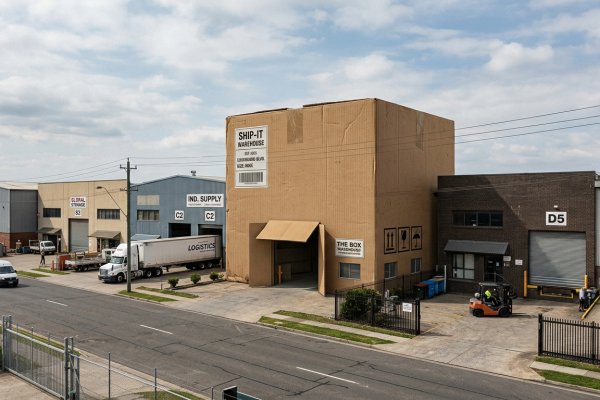
The landscape of e-commerce has transformed dramatically over the past few years, with businesses increasingly relying on sophisticated website fulfilment solutions to meet customer expectations. Today's online retailers face unique challenges spanning everything from importing products into the UK to managing TikTok-driven viral sales spikes. Understanding how these elements interconnect is crucial for building a resilient, scalable online business.
Understanding Website Fulfilment in Today's Digital Marketplace
Website fulfilment represents the entire backend operation that occurs after a customer clicks "buy" on your online store. This encompasses inventory storage, order processing, picking, packing, shipping, and returns management. For businesses across Manchester, London, Birmingham, and Leicester, selecting the right UK fulfilment partner can mean the difference between five-star reviews and operational chaos.
Modern consumers expect rapid delivery times, accurate order fulfilment, and seamless returns processes. These expectations have elevated fulfilment from a back-office function to a critical competitive advantage. Whether you're running a beauty brand, clothing line, or food products business, your fulfilment strategy directly impacts customer satisfaction and repeat purchase rates.
The Critical Role of Professional Fulfilment Partners
Working with an experienced UK 3PL provider enables businesses to focus on product development and marketing whilst experts handle the complexities of logistics. Based in Leicester, specialist fulfilment companies offer comprehensive services including contract packing, quality control, and advanced inventory management systems.
Import UK: Navigating Post-Brexit Logistics
The import UK landscape has evolved significantly following Brexit, introducing new customs requirements and documentation procedures. Businesses importing products from Asia, Europe, or North America must now navigate a more complex regulatory environment that demands careful planning and expert knowledge.
Key Import Considerations for E-Commerce Businesses
- Customs declarations and documentation: Accurate paperwork prevents costly delays at ports including Southampton, Felixstowe, and Liverpool
- Duty and VAT obligations: Understanding tariff classifications ensures correct tax payments and avoids penalties
- Freight forwarding options: Choosing between air, sea, and road transport based on cost and urgency requirements
- Compliance with UK product standards: Ensuring imported goods meet safety and labelling regulations
- Import licencing: Certain product categories require specific permissions before entry into the UK market
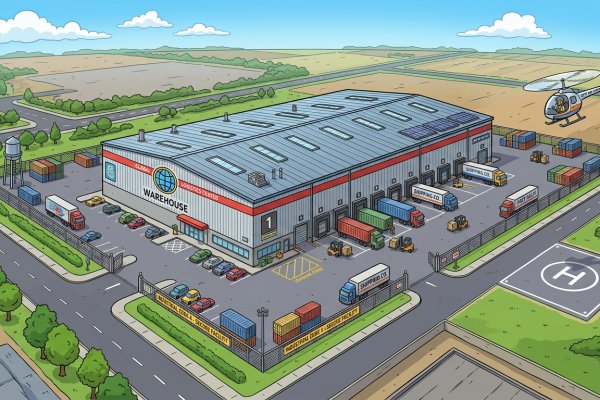
Partnering with a fulfilment provider that understands import UK procedures streamlines the entire process. Many UK warehouse facilities offer receiving services where imported goods are checked, processed, and integrated directly into inventory systems upon arrival.
Palletisation and Import Efficiency
Proper palletisation of imported goods maximises container utilisation and reduces shipping costs. Standard UK and European pallets measure 1200mm x 1000mm, whilst US pallets typically measure 1200mm x 1200mm. Understanding these dimensions when planning imports prevents wasted space and unnecessary freight charges.
FBA: Leveraging Amazon's Fulfilment Network
Amazon's Fulfilled By Amazon (FBA) programme offers sellers access to Prime customers and Amazon's renowned delivery network. However, succeeding with FBA requires meticulous preparation and adherence to Amazon's stringent requirements.
FBA Preparation Requirements
Amazon maintains strict standards for products entering their fulfilment centres across the UK, including facilities in Doncaster, Peterborough, and Coventry. Products must arrive properly labelled, packaged according to specifications, and with accurate shipping documentation.
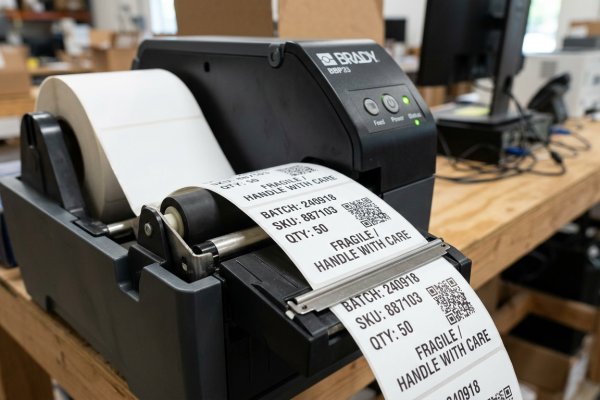
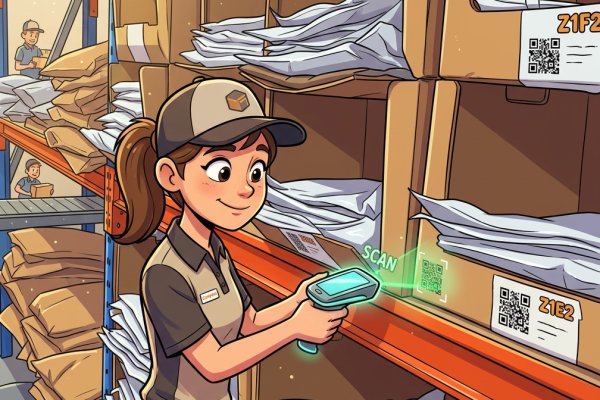
- Product labelling: Each unit requires Amazon FNSKU barcodes applied correctly to prevent commingling
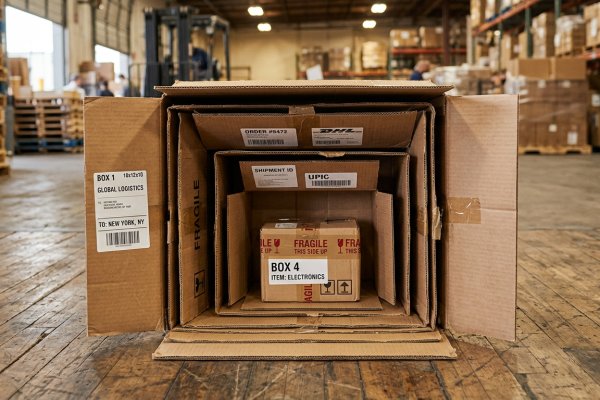
- Case pack configurations: Boxes must contain uniform quantities and meet weight and dimension limits
- Shipment creation: Advance notice through Amazon Seller Central with accurate product counts and specifications
- Carrier compliance: Using Amazon-approved carriers with proper labelling prevents receiving delays
- Hazmat certification: Certain products require additional documentation and cannot ship to all fulfilment centres
Many businesses partner with specialist FBA prep centres that handle these requirements professionally. These facilities inspect imported products, apply necessary labels, and create compliant shipments, ensuring smooth delivery to Amazon warehouses whilst maintaining quality standards.
Combining FBA with Direct Website Fulfilment
Smart retailers adopt a hybrid approach, using FBA for Amazon sales whilst maintaining independent fulfilment warehouse capacity for website orders. This strategy prevents over-reliance on a single channel and preserves brand control over customer experience, packaging, and data ownership.
Palletisation: The Foundation of Efficient Logistics
Palletisation represents far more than simply stacking boxes on wooden platforms. Effective pallet management impacts storage efficiency, picking productivity, shipping costs, and product safety throughout the supply chain.
Strategic Palletisation Benefits
Professional pallet storage and handling delivers multiple advantages for e-commerce businesses operating across Bristol, Leeds, Glasgow, and throughout the UK:
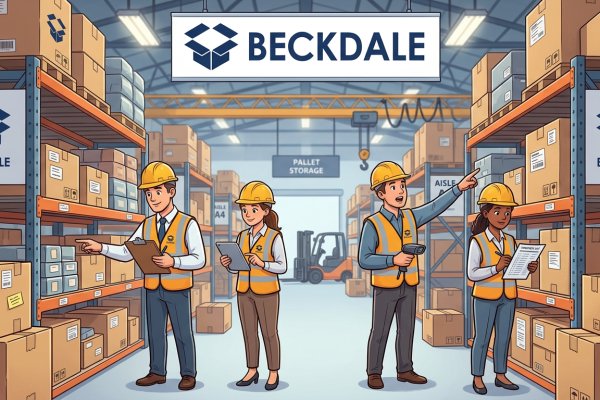
- Optimised warehouse space: Vertical stacking maximises cubic capacity in storage facilities
- Handling efficiency: Forklifts move entire pallets quickly, reducing labour costs and processing times
- Product protection: Properly palletised goods suffer less damage during transport and storage
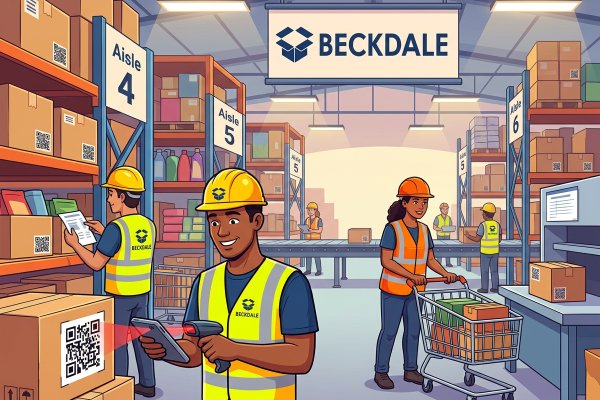
- Simplified inventory counts: Pallet-level tracking streamlines stocktakes and cycle counting procedures
- Reduced shipping costs: Full pallet shipments cost less per unit than parcel deliveries
Palletisation Standards and Best Practices
Effective palletisation follows industry standards that ensure stability and safety. Products should be arranged with heavier items at the base, uniform layer patterns, and appropriate stretch wrap or strapping securing the load. Exceeding maximum pallet heights creates safety hazards and incurs additional charges from carriers.
For businesses working with beauty products, clothing, or food items, maintaining proper palletisation prevents product damage and ensures compliance with retailer receiving requirements.
TikTok: The New Frontier for E-Commerce
TikTok has emerged as a powerful sales channel, with viral videos driving unprecedented demand spikes that challenge traditional fulfilment models. The platform's predominantly younger audience expects rapid delivery and authentic brand engagement, creating both opportunities and operational complexities.
TikTok's Impact on Fulfilment Operations
When a product goes viral on TikTok, businesses can experience order volumes increasing by 10x or more within hours. This phenomenon, whilst exciting for revenue, creates significant fulfilment challenges that require careful planning and scalable infrastructure.
Successful TikTok sellers implement several strategies to manage viral success:
- Safety stock buffers: Maintaining higher inventory levels prevents stockouts during viral spikes
- Flexible labour agreements: Access to temporary staff enables rapid scaling during demand surges
- Pre-negotiated carrier capacity: Establishing relationships with multiple courier services ensures shipping capacity during peak periods
- Automated order processing: API integrations between TikTok Shop and fulfilment systems enable rapid order flow
- Clear communication: Transparent shipping timeframes prevent customer disappointment during high-demand periods
TikTok Shop and Fulfilment Integration
TikTok Shop allows businesses to sell directly through the platform, with seamless checkout experiences that reduce friction. However, this convenience demands robust backend systems capable of processing high volumes whilst maintaining accuracy and speed.
Working with a UK 3PL fulfilment provider experienced in rapid-growth scenarios ensures your business can capitalise on viral moments without operational collapse. The right partner offers scalability, technology integration, and expertise across multiple sales channels including TikTok, Amazon, Shopify, and traditional websites.
Integrating Import, FBA, Palletisation, and TikTok Success
The most successful e-commerce businesses view these elements not as separate challenges but as interconnected components of a comprehensive fulfilment strategy. Consider this scenario:
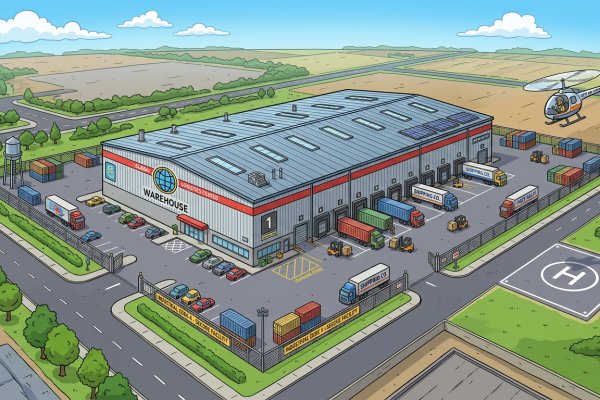
A beauty brand imports products from South Korea, receives them at a Leicester-based fulfilment warehouse, prepares FBA shipments for Amazon whilst maintaining stock for direct website and TikTok Shop orders. Proper palletisation ensures efficient storage and handling throughout. When a TikTok video goes viral, the business scales quickly because infrastructure and partnerships were established proactively.
Building Your Comprehensive Fulfilment Strategy
Creating this integrated approach requires careful planning across several dimensions:
- Technology infrastructure: Systems that integrate import tracking, inventory management, order processing, and shipping across all channels
- Partner selection: Choosing fulfilment providers, freight forwarders, and carriers aligned with your growth objectives
- Inventory positioning: Strategic stock allocation between FBA, direct fulfilment, and reserve inventory
- Quality control: Implementing stock traceability and inspection procedures protecting brand reputation
- Financial planning: Understanding true costs including import duties, storage fees, and variable fulfilment charges
Choosing the Right Fulfilment Partner
Your fulfilment partner becomes an extension of your brand, directly influencing customer satisfaction and operational efficiency. When evaluating potential providers, consider their experience with your specific requirements, whether that's handling expiry dates, managing complex promotional packaging, or processing high-volume consumer orders.
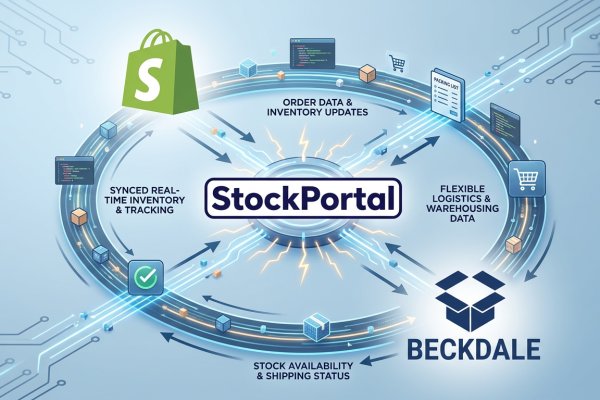
The ideal partner offers transparency through technology, providing real-time inventory visibility, order tracking, and performance metrics. They understand the nuances of different sales channels and can adapt processes accordingly, whether preparing FBA shipments or managing TikTok-driven demand spikes.
For businesses seeking comprehensive support across import UK operations, FBA preparation, efficient palletisation, and multi-channel fulfilment including TikTok, partnering with experienced specialists delivers the foundation for sustainable growth in today's competitive e-commerce landscape.