Optimising Shopify Order Fulfilment for Cost and Efficiency
For Shopify merchants experiencing rapid growth, the transition from self-fulfilment to professional order processing represents a critical business milestone. Whether you're shipping beauty products, clothing, or small accessories, understanding the nuances of efficient order fulfilment can dramatically impact your bottom line and customer satisfaction. This comprehensive guide explores the essential elements of Shopify order fulfilment, focusing on integration strategies, cost reduction techniques, picking bin systems, and the unique challenges of handling small products.
Understanding Shopify Integration for Seamless Fulfilment
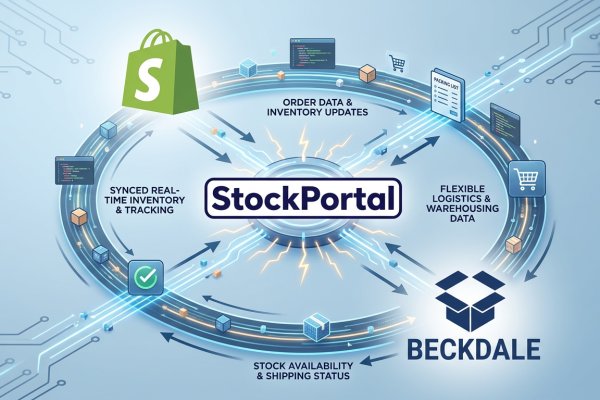
The foundation of efficient order fulfilment begins with robust integration between your Shopify store and your UK Fulfilment operations. When configured correctly, this integration creates an automated workflow that eliminates manual data entry, reduces errors, and accelerates order processing times.
The Mechanics of Shopify Integration
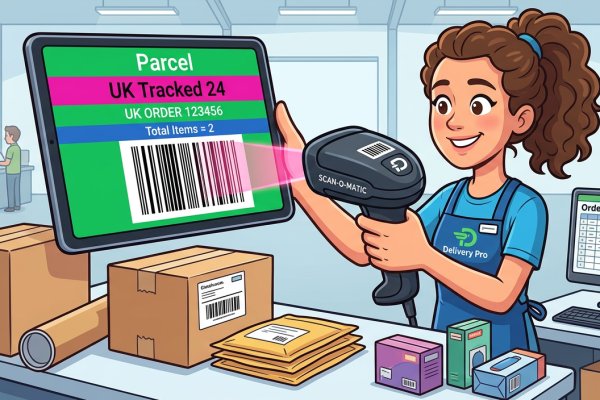
Modern UK 3PL providers utilise sophisticated API data integrations that connect directly with your Shopify platform. When a customer places an order, the information flows automatically to the warehouse management system, triggering the picking and packing process without human intervention. This seamless connection ensures that orders placed in Manchester, Birmingham, or anywhere across the UK receive the same swift processing from your Leicester-based fulfilment centre.
Key benefits of proper Shopify integration include:
- Real-time inventory synchronisation preventing overselling and stockouts
- Automatic order import eliminating manual data entry and associated errors
- Instant tracking updates sent directly to customers via Shopify
- Return management integration streamlining the reverse logistics process
- Multi-channel coordination when selling across Shopify and Amazon simultaneously
Choosing the Right Integration Method
Different businesses require different integration approaches. Business to Consumer operations typically benefit from direct API connections, whilst businesses also managing B2B fulfilment may require more sophisticated middleware solutions. The integration complexity often depends on your product range—whether you're handling temperature-sensitive beauty products, garments requiring specific packaging, or items with batch and expiry date tracking.
Strategic Cost Reduction in Order Fulfilment
Reducing fulfilment costs without compromising service quality remains the holy grail for Shopify merchants. Through strategic planning and warehouse optimisation, significant savings become achievable across multiple operational areas.
Packaging Optimisation Strategies
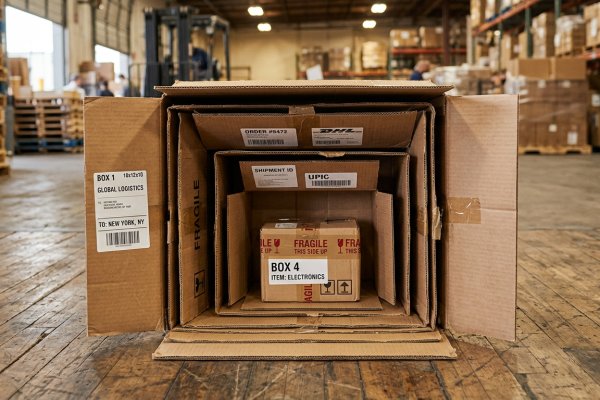
One of the most overlooked cost reduction opportunities lies in packaging choices. Many merchants default to oversized packaging that increases shipping costs and material expenses. By implementing a tiered packaging system with multiple box sizes suited to different product dimensions, you can reduce both material costs and dimensional weight charges from carriers.
Right-sizing your packaging for small products proves particularly crucial. A jewellery retailer shipping earrings in a shoe box-sized package wastes money on materials, incurs higher postage, and creates unnecessary environmental impact. Working with a UK warehouse that offers contract packing services allows you to develop custom packaging solutions matched precisely to your product dimensions.
Shipping Strategy Optimisation
Intelligent courier services selection dramatically impacts fulfilment costs. Rather than defaulting to a single carrier, successful Shopify merchants implement multi-carrier strategies that select the most cost-effective option based on destination, weight, and service requirements.
Consider these cost reduction tactics:
- Negotiating volume-based shipping rates with multiple carriers
- Implementing zone-skipping for concentrated customer areas like London or Edinburgh
- Offering consolidated shipping options for multi-item orders
- Setting free shipping thresholds that encourage larger basket sizes
- Utilising slower shipping options as default with express upgrades available
Labour Efficiency and Process Optimisation
Labour represents a substantial portion of fulfilment costs, making process efficiency essential. Streamlined workflows reduce the time warehouse staff spend on each order, directly impacting your per-unit fulfilment costs. This efficiency becomes particularly important during peak periods when businesses across Glasgow, Leeds, and Bristol compete for limited warehouse capacity.
Implementing Effective Picking Bin Systems
The picking bin system forms the operational heart of warehouse efficiency. For Shopify merchants, especially those handling small products, an optimised picking bin configuration can reduce order processing time by up to 60%.
Understanding Picking Bin Methodology
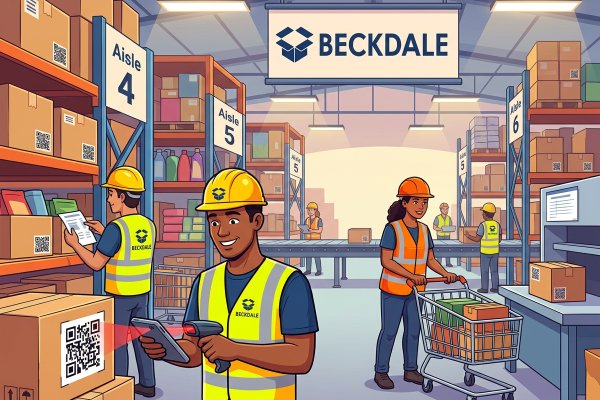
A picking bin system organises inventory into designated locations, allowing warehouse staff to navigate efficiently through the picking process. Rather than searching randomly through shelving, pickers follow optimised routes collecting items from predetermined bins. This systematic approach minimises walking distance, reduces picking errors, and accelerates order fulfilment.
Modern stock traceability systems integrate with picking bin configurations, ensuring that products are stored in the most accessible locations based on velocity. Fast-moving items occupy prime picking positions, whilst slower-moving inventory resides in less accessible areas.
Bin Configuration for Small Products
Small products present unique challenges in warehouse environments. Items like cosmetics, jewellery, supplements, or accessories can easily become disorganised or misplaced without proper containment systems. Implementing multi-compartment picking bins allows multiple SKUs to coexist in organised fashion within limited space.
Effective small product bin strategies include:
- Compartmentalised bin inserts preventing SKU mixing and contamination
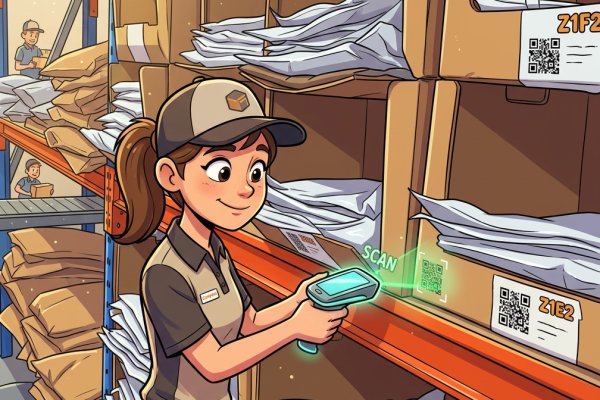
- Clear labelling systems with barcode scanning integration
- Adjustable dividers accommodating varying product dimensions
- Visual picking aids such as colour coding or product images
- Batch picking zones for high-volume SKUs during peak periods
Technology-Enhanced Picking Systems
Advanced warehouse management systems now incorporate pick-to-light or voice-directed picking technologies. These systems guide warehouse operatives through the picking process, illuminating the correct bins and confirming picks through scanning. For clothing fulfilment or multi-variant products, these technologies virtually eliminate picking errors whilst accelerating throughput.
Mastering Small Product Fulfilment Challenges
Small products demand special consideration throughout the fulfilment process. Their compact size creates both opportunities for cost savings and risks for operational challenges.
Storage Density and Space Utilisation
Small products offer exceptional storage density advantages. Where a single pallet position might hold 100 units of a larger product, the same space could accommodate thousands of small items. This density advantage reduces per-unit storage costs significantly, though it requires careful organisation to maintain accessibility and prevent inventory chaos.
Vertical storage solutions maximise warehouse capacity for small products. Multi-tier shelving systems with appropriate safety measures allow fulfilment centres to leverage vertical space efficiently—particularly valuable in locations where warehouse space commands premium rates.
Preventing Loss and Damage
Small products face higher risks of loss through misplacement or damage during handling. Implementing robust processes around containment and verification becomes essential. Many successful operations require double-scanning protocols for valuable small items, ensuring accuracy before items leave the fulfilment warehouse.
For particularly delicate items like food products or cosmetics, protective packaging within the picking bin prevents damage before items even reach the packing station. Foam inserts, bubble compartments, or individual pouches maintain product integrity throughout the storage and picking process.
Batch Processing for Efficiency
When handling high volumes of small products, batch picking methodologies deliver substantial efficiency gains. Rather than picking individual orders sequentially, warehouse staff collect multiple units of the same SKU across multiple orders simultaneously, then sort items during the packing phase. This approach works particularly well for businesses experiencing concentrated order periods or those managing FBA shipments alongside direct-to-consumer orders.
Calculating Your Fulfilment Economics
Understanding the true cost of order fulfilment enables informed decision-making about outsourcing versus in-house operations. Most Shopify merchants reach an inflection point between 100-500 monthly orders where professional fulfilment becomes economically advantageous.
Utilising resources like a pricing calculator helps merchants understand their expected costs across different volume scenarios. Reviewing pricing examples from similar businesses provides realistic benchmarks for budgeting purposes.
Hidden Costs of Self-Fulfilment
Many merchants underestimate the true cost of self-fulfilment. Beyond obvious expenses like packaging and postage, consider opportunity costs of time spent picking and packing rather than growing your business, storage space rental, packaging material waste, shipping errors requiring expensive replacements, and the seasonal capacity constraints that limit growth potential.
Partnering with the Right Fulfilment Provider
Selecting an appropriate UK 3PL fulfilment partner determines your operational success. Beyond basic picking and shipping capabilities, consider providers offering value-added services like custom sendouts for marketing campaigns, returns processing integration, and scalability to accommodate seasonal variations or business growth.
Location matters for delivery speed and cost optimisation. A Leicester-based operation offers excellent connectivity to major UK population centres, enabling next-day delivery across most of the country whilst maintaining competitive shipping costs. This central positioning benefits merchants serving customers from Southampton to Newcastle without geographical bias.
Integration Support and Technical Capabilities
Your fulfilment provider should offer robust technical support for Shopify integration, ensuring seamless data flow and rapid troubleshooting when issues arise. This technical competency proves particularly valuable when scaling operations or adding new sales channels alongside your Shopify store.
Conclusion
Optimising Shopify order fulfilment requires a holistic approach encompassing technology integration, cost management, warehouse organisation, and specialised handling for your specific product types. By implementing strategic picking bin systems, focusing on small product handling excellence, and partnering with experienced fulfilment providers, Shopify merchants can achieve the operational efficiency required for sustainable growth. Whether you're shipping 50 orders monthly or 5,000, the principles of integration, cost reduction, organised picking, and product-specific handling remain constant—only the scale changes. Investing time in optimising these foundational elements creates competitive advantages that translate directly to improved margins and customer satisfaction across your entire operation.