Ecommerce Fulfilment Crisis: What UK Retailers Must Know Now
The landscape of online retail has undergone seismic shifts in recent years, and at the heart of this transformation lies a critical challenge that many UK businesses face: ecommerce fulfilment. Whether you're running a thriving Shopify store in Birmingham or managing a growing B2C operation from anywhere in the country, the decisions you make about how to handle your shipping and logistics can determine whether your business thrives or struggles to compete.
The statistics are compelling. UK online retail sales exceeded £120 billion in recent years, with consumer expectations for delivery speed and accuracy reaching unprecedented levels. Against this backdrop, the question isn't whether you need a robust fulfilment strategy—it's how to build one that scales with your ambitions without breaking your budget or compromising customer satisfaction.
The Evolution of Ecommerce Fulfilment in the UK Market
The UK has always been at the forefront of ecommerce innovation, but the post-pandemic surge in online shopping has fundamentally altered what customers expect from their purchasing experience. Same-day delivery is no longer a luxury—it's rapidly becoming the baseline expectation, particularly in major metropolitan areas like Birmingham, Manchester, and London.
Traditional fulfilment models, where businesses handle everything in-house from a back room or small warehouse, are increasingly unsustainable. The costs associated with warehouse space, staff recruitment and training, inventory management systems, and carrier negotiations have become prohibitive for all but the largest enterprises. This reality has driven a massive shift toward UK 3PL partnerships that can deliver professional-grade fulfilment capabilities without the capital investment.
Why Birmingham Businesses Are Leading the Outsourcing Revolution
Birmingham has emerged as a fascinating case study in smart ecommerce fulfilment strategy. Located in the geographical heart of England with excellent transport links, Birmingham-based online retailers have recognized a crucial advantage: they don't need to be located near their fulfilment partner to benefit from strategic positioning.
Many Birmingham merchants are discovering that partnering with specialized B2C fulfilment providers in optimally located facilities delivers better results than trying to manage logistics locally. This approach combines Birmingham's strengths as a business hub with the operational excellence of dedicated fulfilment centers positioned for maximum distribution efficiency.
The Shopify Integration Imperative
Shopify has revolutionized how businesses launch and scale online stores, but the platform's remarkable frontend capabilities can mask significant backend challenges. When you decide to outsource your Shopify shipping, you're not simply handing off the packing and posting—you're creating an integrated system that can make or break the customer experience.
What Seamless Integration Actually Means
True integration between your Shopify store and your fulfilment partner goes far beyond basic order transmission. A sophisticated data flow between systems should include:
- Real-time inventory synchronization that prevents overselling and automatically updates stock levels across all sales channels
- Automated order routing that sends orders to your fulfilment partner without manual intervention
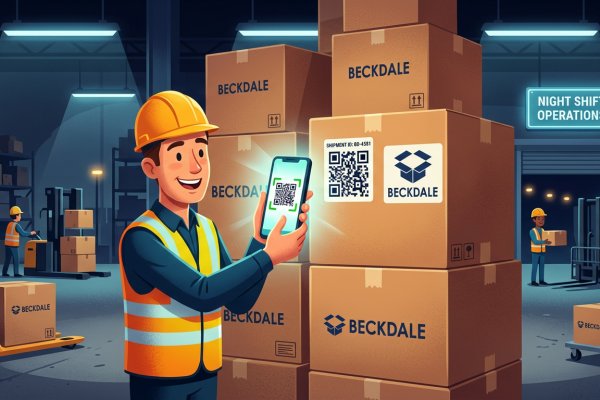
- Tracking information pushback that automatically updates customers with carrier details and tracking numbers
- Returns management that processes returns efficiently and updates inventory accordingly
- Batch and expiry tracking for products requiring expiry date management
The quality of this integration determines whether outsourcing feels like a seamless extension of your business or a constant source of frustration. When evaluating potential fulfilment partners, the sophistication of their technology infrastructure should rank alongside their physical capabilities.
Common Integration Pitfalls and How to Avoid Them
Many Shopify merchants rush into fulfilment partnerships without thoroughly testing the integration, leading to predictable problems. Orders get lost in transmission, inventory counts drift out of sync, and customer service teams spend hours reconciling discrepancies rather than delighting customers.
The solution begins with comprehensive testing before going live. Request a sandbox environment where you can process test orders and verify that every element of the workflow functions correctly. Pay particular attention to edge cases: What happens when a customer orders your last unit of a product? How does the system handle orders placed during peak periods? What failsafes exist if the integration temporarily fails?
B2C Fulfilment: The Modern Customer Experience Battleground
Business-to-consumer fulfilment represents a fundamentally different challenge than B2B logistics. Where B2B fulfilment often involves predictable order patterns and bulk shipments, B2C demands flexibility, speed, and an obsessive focus on the unboxing experience.
The Hidden Costs of DIY B2C Fulfilment
When businesses attempt to handle B2C fulfilment internally, they often underestimate the true cost. Beyond obvious expenses like warehouse rent and staff salaries, consider these hidden drains on profitability:
- Opportunity cost: Every hour spent managing logistics is time not invested in product development, marketing, or customer relationships
- Packaging inefficiency: Without bulk purchasing power, packaging materials cost significantly more per unit
- Shipping rate disadvantages: Individual businesses pay substantially higher courier services rates than fulfilment centers shipping thousands of parcels daily
- Space wastage: Retail businesses typically use space inefficiently, with poor racking systems and suboptimal layouts
- Technology underinvestment: Proper warehouse management systems represent significant capital expenditure that's difficult to justify at smaller scales
When these factors are properly accounted for, outsourcing to a specialized UK fulfilment provider often proves more cost-effective even before considering the service quality improvements.
Creating Memorable Unboxing Experiences
In the Instagram era, the unboxing experience has evolved from a functional necessity to a marketing opportunity. Smart fulfilment partners understand this shift and offer customization options that reflect your brand identity while maintaining operational efficiency.
Whether you're shipping beauty products, clothing, or food items, the presentation matters. Custom tissue paper, branded boxes, personalized thank-you cards, and carefully arranged products signal quality and care in ways that algorithmic optimization never can.
Deciding When to Outsource Your Shopify Shipping
The decision to outsource represents a pivotal moment in any ecommerce business's evolution. While there's no universal threshold, several indicators suggest you've reached the point where professional fulfilment makes strategic sense.
The Tipping Point Indicators
Volume thresholds: Once you're shipping more than 200-300 orders monthly, the efficiency gains from specialized fulfilment typically justify the transition. Below this threshold, the relationship management overhead might outweigh the benefits.
Growth trajectory: If your business is growing rapidly—particularly if that growth is seasonal or unpredictable—the flexibility of outsourced fulfilment becomes invaluable. Scaling internal operations means recruiting and training staff, expanding warehouse space, and investing in systems months before you need the capacity.
Geographic expansion: When you begin selling internationally or want to offer faster delivery to customers across the UK, strategic fulfilment partnerships provide infrastructure that would take years to build independently.
Complexity increase: Adding product lines, particularly those requiring specialized handling like temperature-controlled storage or contract packing services, often necessitates capabilities beyond what general retailers can economically provide in-house.
Selecting the Right Fulfilment Partner
Not all fulfilment providers are created equal, and the wrong partnership can damage your business as surely as poor product quality. When evaluating potential partners, prioritize these critical factors:
Technology infrastructure: Request demonstrations of their warehouse management systems and integration capabilities. The sophistication of their technology directly impacts your operational efficiency.
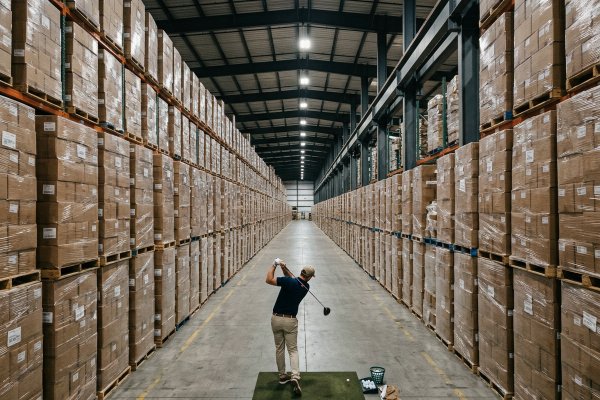
Scalability: Verify that the provider can handle your current volume without strain while having capacity for growth. A fulfilment warehouse operating at 95% capacity cannot accommodate your expansion.
Specialization: Generalist warehouses offer cost advantages, but specialized providers bring expertise in your product category. If you sell cosmetics, partnering with a provider experienced in beauty fulfilment ensures regulatory compliance and proper product handling.
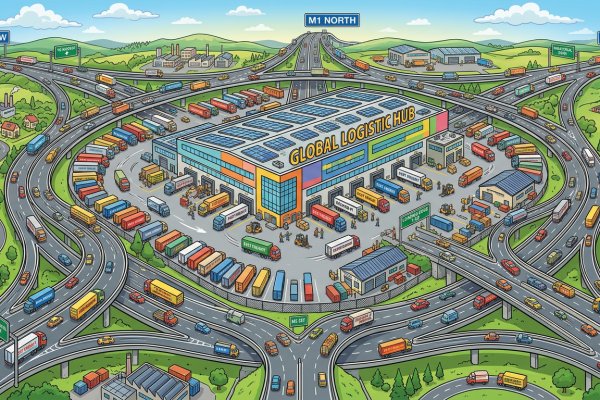
Location strategy: While providers like www.beckdaleshipping.co.uk operate from Leicester, their central UK location offers excellent distribution advantages. Consider transit times to your key customer markets rather than proximity to your business address.
Transparency: Insist on clear, comprehensive pricing with pricing examples that reflect real-world scenarios. Hidden fees and vague terms inevitably lead to disputes and budgetary surprises.
The Future of UK Ecommerce Fulfilment
Looking ahead, several trends will reshape the fulfilment landscape. Sustainability concerns are driving demand for consolidated shipping and eco-friendly packaging. Customer expectations for delivery speed continue to compress, with two-hour windows becoming competitive requirements in urban areas.
Technology integration will deepen, with artificial intelligence optimizing inventory positioning and predicting demand patterns with increasing accuracy. The boundaries between physical retail and ecommerce will continue blurring, with fulfilment centers supporting omnichannel strategies that include click-and-collect, in-store returns of online purchases, and ship-from-store capabilities.
Preparing Your Business for Tomorrow
Smart retailers are positioning themselves for these changes by building relationships with UK 3PL fulfilment partners who invest in innovation. Rather than viewing fulfilment as a cost center to be minimized, forward-thinking businesses recognize it as a competitive differentiator that directly impacts customer satisfaction, repeat purchase rates, and brand reputation.
The complexity of modern ecommerce fulfilment—spanning integration challenges, B2C expectations, geographic optimization, and the strategic decision to outsource—means that the partnerships you build today will substantially influence your competitive position tomorrow. Whether you're operating from Birmingham, serving customers nationwide, or planning international expansion, the fulfilment foundation you establish now determines your capacity to scale sustainably.
The question facing UK ecommerce businesses isn't whether professional fulfilment matters—the market has decisively answered that question. The real question is whether you'll proactively build a world-class fulfilment capability or wait until operational breakdowns force your hand. In a market where customer loyalty hangs on delivery promises kept or broken, that decision couldn't be more critical.