The Evolution of Ecommerce Logistics in the UK
The landscape of online retail has transformed dramatically over the past decade, with businesses across Birmingham, Manchester, London, and beyond seeking efficient solutions to meet customer expectations. As ecommerce continues its exponential growth, the complexity of managing inventory, processing orders, and ensuring timely deliveries has pushed many retailers to reconsider their operational strategies. Website fulfilment services have emerged as a critical component in this ecosystem, offering businesses the infrastructure and expertise needed to compete in an increasingly demanding marketplace.
For businesses operating from Birmingham's thriving commercial districts to startups in Leicester and established retailers in Leeds, the decision to handle fulfilment in-house or outsource these operations represents a pivotal strategic choice. This decision impacts everything from cash flow and operational efficiency to customer satisfaction and scalability potential. Understanding the various fulfilment options available and how they contribute to cost reduction has never been more important for ecommerce success.
Understanding Website Fulfilment and Its Core Components
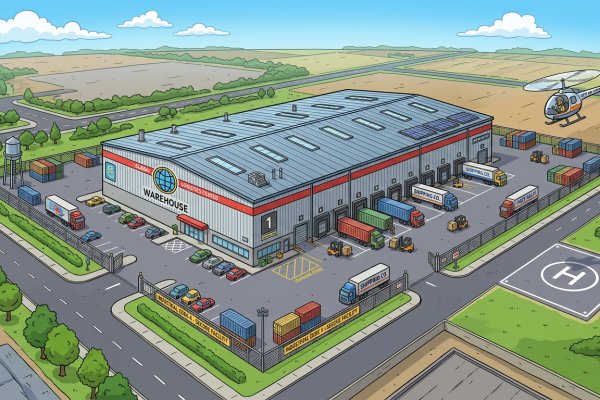
Website fulfilment encompasses the entire process of storing inventory, picking and packing orders, and shipping products to customers who purchase through online channels. This comprehensive service includes several critical components that work together seamlessly:
- Inventory Management: Receiving, storing, and tracking stock levels in real-time
- Order Processing: Receiving orders from multiple sales channels and preparing them for dispatch
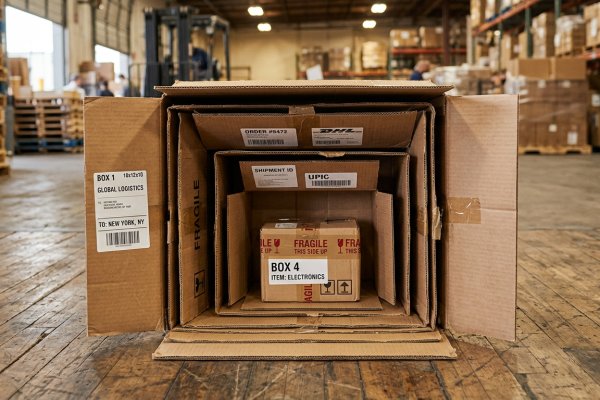
- Picking and Packing: Selecting the correct items and packaging them securely for transit
- Shipping and Logistics: Coordinating with carriers to ensure timely delivery
- Returns Processing: Managing reverse logistics efficiently
- Reporting and Analytics: Providing visibility into operations and performance metrics
A professional UK fulfilment provider integrates these elements into a cohesive system that reduces operational overhead while maintaining high service standards. The sophistication of modern fulfilment operations, particularly those utilizing advanced warehouse management systems, enables businesses to scale without proportional increases in operational complexity or costs.
The FBA Model and Its Alternatives
Amazon's Fulfilled By Amazon (FBA) service revolutionized ecommerce fulfilment by offering sellers access to Amazon's vast logistics network. Under this model, sellers send inventory to Amazon's warehouses, and Amazon handles storage, picking, packing, shipping, and customer service. Products become eligible for Prime shipping, potentially increasing visibility and sales conversion rates.
Benefits of FBA
The FBA program offers several compelling advantages for ecommerce businesses. Prime eligibility often translates to higher conversion rates, as customers trust Amazon's delivery promises and customer service. The Buy Box advantage that FBA sellers frequently receive can dramatically increase sales velocity. Additionally, Amazon handles customer service queries and returns, freeing sellers from these time-consuming responsibilities.
FBA Cost Considerations
However, FBA comes with significant cost implications that Birmingham-based businesses and retailers across the UK must carefully evaluate. Fulfilment fees vary by product size and weight, while storage fees increase during peak seasons and for long-term inventory. Additional charges for removal, disposal, and return processing can accumulate quickly. For businesses with slower-moving inventory or products with lower margins, these costs can substantially erode profitability.
Exploring FBA Alternatives
Many businesses are discovering that Amazon Fulfilled By Merchant (FBM) combined with a dedicated UK 3PL provider offers greater flexibility and cost efficiency. This approach allows businesses to maintain control over their fulfilment operations while still selling on Amazon's marketplace. Independent fulfilment providers often offer more personalized service, flexible pricing structures, and the ability to fulfil orders across multiple sales channels from a single inventory pool.
Cost Reduction Through Strategic Outsourcing
The decision to outsource ecommerce fulfilment represents one of the most effective strategies for reducing operational costs while maintaining service quality. Businesses throughout Birmingham, Coventry, Nottingham, and across the Midlands are recognizing the financial benefits of partnering with specialized fulfilment providers.
Fixed Costs Converted to Variable Costs
When businesses operate their own warehouses, they incur substantial fixed costs including rent, utilities, equipment, and permanent staff. These expenses remain constant regardless of sales volume, creating financial pressure during slower periods. By outsourcing to a fulfilment warehouse, these fixed costs transform into variable expenses that scale proportionally with sales volume. This flexibility proves particularly valuable for seasonal businesses or those experiencing growth fluctuations.
Expertise and Efficiency Gains
Professional UK 3PL fulfilment providers specialize in logistics efficiency. Their expertise in warehouse layout optimization, pick-path efficiency, and packing processes translates directly to cost savings. What might take an in-house team hours to accomplish, experienced fulfilment professionals complete in minutes. This efficiency reduces labor costs per order while improving accuracy and customer satisfaction.
Technology Investment Amortization
Modern fulfilment requires sophisticated data flow systems, warehouse management software, and integration capabilities with multiple sales channels. For individual businesses, especially smaller operations in Birmingham or Leicester, the capital investment required for these technologies can be prohibitive. Fulfilment providers spread these technology costs across multiple clients, making enterprise-level systems accessible to businesses of all sizes.
The Birmingham Ecommerce Landscape
Birmingham's position as the UK's second-largest city has fostered a vibrant ecommerce ecosystem. The city's central location provides excellent transport links, making it attractive for businesses considering fulfilment strategies. From the Jewellery Quarter's artisan producers to the growing tech startups in Digbeth, Birmingham businesses face unique opportunities and challenges in ecommerce fulfilment.
Many Birmingham retailers have found success partnering with UK warehouse providers located strategically throughout the country. While Birmingham offers excellent connectivity, businesses aren't limited to local fulfilment options. A Leicester-based fulfilment provider, for instance, can efficiently serve Birmingham customers while offering competitive rates and specialized services that might not be available locally.
Specialized Fulfilment Services for Different Product Categories
Different product types require specialized handling, and understanding these nuances contributes to overall cost efficiency. A one-size-fits-all approach often leads to unnecessary expenses or inadequate service.
Beauty and Cosmetics
Beauty product fulfilment requires particular attention to temperature control, expiry date management, and presentation standards. Cosmetics customers expect pristine packaging and rapid delivery, making specialized fulfilment capabilities essential for brand reputation and customer retention.
Clothing and Fashion
The clothing sector presents unique challenges including size variations, seasonal inventory fluctuations, and high return rates. Efficient contract packing services that can handle folding, hanging, and quality inspection become crucial for fashion brands maintaining their market position.
Food Products
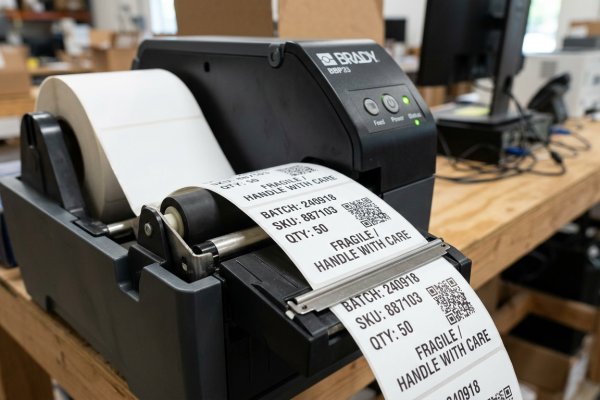
Food product fulfilment demands rigorous attention to batch numbers and expiry dates, with comprehensive stock traceability systems ensuring food safety compliance and recall capabilities.
Evaluating Fulfilment Costs and ROI
Understanding the true cost of fulfilment requires comprehensive analysis beyond simple per-order fees. Savvy businesses use tools like pricing calculators and review pricing examples to model different scenarios and compare providers effectively.
When evaluating costs, consider these factors:
- Storage Costs: Often charged per pallet or cubic meter, these fees can vary significantly between providers
- Pick and Pack Fees: Usually calculated per order or per item, with variations for complexity
- Shipping Rates: Volume discounts with carriers mean fulfilment providers often secure better rates than individual businesses
- Integration and Setup Fees: One-time or recurring charges for connecting your systems
- Special Services: Custom packaging, gift wrapping, or promotional inserts may incur additional charges
B2B and B2C Fulfilment Distinctions
The fulfilment requirements for B2B operations differ substantially from B2C fulfilment. B2B orders typically involve larger quantities, pallet shipments, and specific delivery windows, while B2C focuses on individual parcel shipments with consumer-friendly packaging. Understanding these distinctions helps businesses select fulfilment partners with appropriate capabilities.
Shipping and Courier Optimization
Effective shipping services management represents a significant opportunity for cost reduction. Professional fulfilment providers maintain relationships with multiple carriers, enabling them to select the most cost-effective service for each shipment. Their courier service expertise ensures parcels ship via the optimal combination of speed and cost.
Making the Transition to Outsourced Fulfilment
For businesses currently handling fulfilment in-house or considering alternatives to FBA, the transition to a third-party provider requires careful planning. Start by auditing your current costs comprehensively, including hidden expenses like management time and opportunity costs. Request detailed proposals from multiple providers, ensuring they understand your specific requirements.
A phased implementation approach often works best, perhaps beginning with a single product line or sales channel before expanding. Maintain clear communication channels with your fulfilment partner, establishing regular review meetings to assess performance and identify optimization opportunities.
Conclusion: Strategic Fulfilment for Sustainable Growth
The decision to outsource ecommerce fulfilment represents more than a tactical operational choice—it's a strategic investment in scalability, efficiency, and customer satisfaction. Whether you're a Birmingham startup exploring alternatives to FBA, or an established business seeking cost reduction through specialized fulfilment services, the right partnership can transform your operations.
By converting fixed costs to variable expenses, accessing specialized expertise, and leveraging enterprise-level technology, businesses position themselves for sustainable growth without the burden of expanding operational infrastructure. The ecommerce landscape continues evolving rapidly, but with the right fulfilment warehouse partner, businesses throughout the UK can focus on what they do best—developing great products and building customer relationships—while leaving the logistics to specialists who excel in efficient, cost-effective order fulfilment.