Low Cost Fulfilment: Worth It?
In today's competitive e-commerce landscape, Direct-to-Consumer (D2C) brands face mounting pressure to deliver exceptional customer experiences while maintaining healthy profit margins. The fulfilment component of your operation can make or break your business model, with costs spiraling quickly if not managed strategically. But is low cost fulfilment truly worth pursuing, or does it compromise the quality that keeps customers returning?
This comprehensive guide explores how businesses can achieve cost-effective UK fulfilment without sacrificing service standards, with particular focus on Leicester's thriving logistics sector, import management, D2C operations, and intelligent packaging solutions.
Understanding the True Cost of Fulfilment
Before pursuing low cost fulfilment, it's essential to understand what comprises your total fulfilment expenses. Many businesses make the mistake of focusing solely on headline rates whilst overlooking hidden costs that accumulate over time.
The Complete Cost Breakdown
Fulfilment costs typically encompass several key components:
- Storage fees - charged per pallet or cubic meter, varying by location and facility specifications
- Pick and pack costs - labour charges for selecting items and preparing orders for dispatch
- Packaging materials - boxes, protective fillers, tape, and branded elements
- Shipping charges - courier fees that fluctuate based on weight, dimensions, and destination
- Returns processing - often overlooked but critical for D2C operations
- Integration and technology fees - software connections between your sales channels and warehouse systems
- Account management - the human support that keeps operations running smoothly
A genuine low cost approach addresses all these elements holistically rather than simply negotiating lower rates on individual services. Working with an experienced UK 3PL can help identify where meaningful savings exist without compromising operational integrity.
Leicester: A Strategic Hub for Cost-Effective Fulfilment
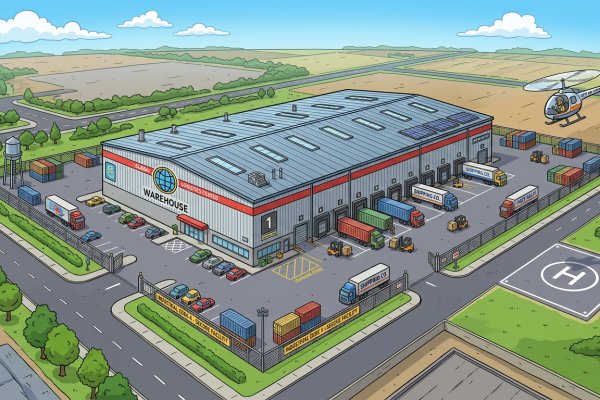
Leicester has emerged as a compelling location for businesses seeking affordable yet reliable fulfilment solutions. Positioned in the heart of England with excellent motorway connections via the M1 and M69, the city offers distinct advantages for D2C brands focused on cost optimization.
Why Leicester Makes Financial Sense
Compared to warehouse facilities in London, Birmingham, or Manchester, Leicester consistently delivers lower operational costs whilst maintaining accessibility to the majority of the UK population. Property costs remain competitive, translating directly into more affordable storage rates for businesses. The local workforce brings strong logistics expertise without the premium labour costs associated with larger metropolitan areas.
For brands managing D2C operations, Leicester's central position means reaching customers in Edinburgh, Cardiff, or Norwich with similar efficiency. This geographic advantage reduces the need for multiple warehouse locations—a significant cost-saving measure for growing businesses.
Import-Friendly Infrastructure
Leicester's proximity to major ports including Felixstowe, Southampton, and the East Midlands Gateway Rail Freight Terminal makes it particularly attractive for brands handling imports. The efficient transport corridors mean containerized goods from Asia or Europe can reach Leicester warehouses quickly and cost-effectively.
This logistical efficiency matters enormously when managing the complexities of international supply chains. Businesses can consolidate shipping services and reduce dwell times, both of which directly impact your bottom line.
Managing Imports to Minimize Fulfilment Costs
For many D2C brands, imported products represent the core of their offering. How you manage these imports significantly influences your overall fulfilment economics.
Container Optimization Strategies
Maximizing container utilization stands as one of the most effective methods to reduce per-unit costs. Rather than shipping half-empty containers, strategic planning around product dimensions, ordering cycles, and seasonal demand ensures you're extracting maximum value from each shipment.
Working with a fulfilment warehouse that understands import logistics means benefiting from their expertise in container devanning, stock receiving protocols, and quality checks—all services that add value without necessarily adding excessive costs.
Customs and Compliance Efficiency
Post-Brexit customs procedures have added complexity and potential cost to imports. Partnering with fulfilment providers experienced in customs documentation, duty management, and compliance requirements helps avoid expensive delays or penalties.
Brands importing beauty products, food items, or clothing need to navigate specific regulations around ingredients, safety standards, and labeling. Facilities equipped to handle beauty products, food items, or clothing possess the necessary expertise to manage these requirements efficiently.
Stock Traceability and Batch Management
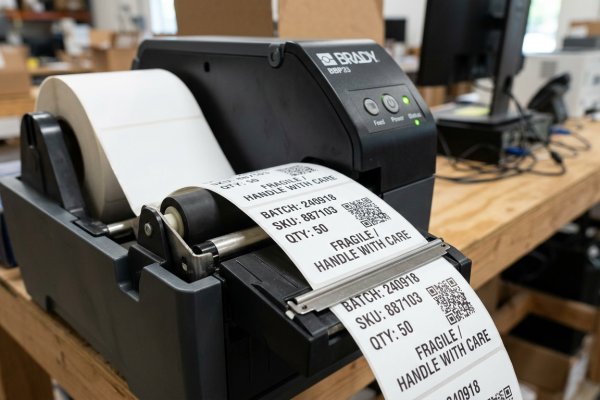
Particularly crucial for imported goods, robust stock traceability systems prevent costly errors. Managing batch numbers and expiry dates ensures older stock ships first, minimizing waste and maintaining customer satisfaction—both of which protect your profit margins.
D2C Fulfilment: Where Costs Hide
Direct-to-Consumer businesses face unique fulfilment challenges that can quickly erode margins if not addressed strategically. Unlike B2B operations that might ship pallets to retail locations, D2C requires processing potentially hundreds of individual orders daily.
Order Complexity and Its Cost Implications
Every additional SKU in an order increases pick time. Multi-item orders require more labor, larger packaging, and potentially higher shipping costs. Understanding your average order profile helps negotiate appropriate pricing structures with fulfilment partners.
Some UK 3PL fulfilment providers charge per item picked, whilst others use a per-order model. Analyzing your specific order characteristics—single versus multi-item, product weights, dimensions—reveals which pricing structure genuinely offers the best value.
Returns: The Hidden Cost Killer
D2C brands, particularly in fashion and beauty sectors, experience higher return rates than traditional retail. Each return requires receiving, inspecting, repackaging, and restocking—all billable activities that impact your fulfilment economics.
Low cost fulfilment doesn't mean accepting poor returns management. Efficient processing actually saves money by getting products back into saleable condition quickly and identifying quality issues before they escalate.
Technology Integration for Cost Control
Modern D2C operations depend on seamless data flow between sales platforms and warehouse management systems. Manual processes create errors, duplicated effort, and slower order processing—all of which increase costs.
While technology integration requires initial investment, the operational efficiencies gained quickly justify the expense. Real-time inventory visibility prevents overselling, automated order routing eliminates manual data entry, and transparent tracking reduces customer service inquiries.
Packaging: The Overlooked Cost-Saving Opportunity
Packaging represents a significant variable cost in fulfilment operations, yet it's often treated as an afterthought. Strategic packaging decisions can substantially reduce costs whilst potentially enhancing brand perception.
Right-Sizing Your Packaging
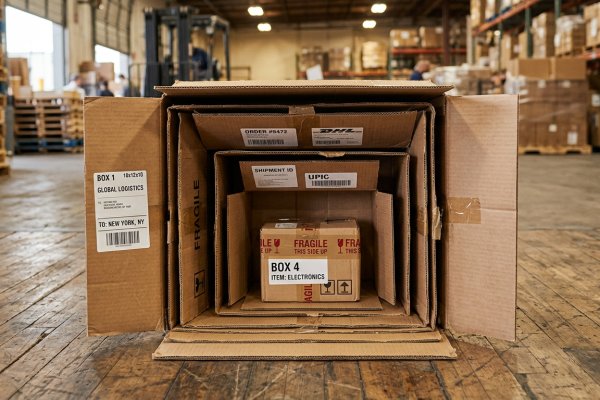
Using oversized boxes wastes money on multiple fronts: the box itself costs more, you'll need additional void fill to protect products, and dimensional weight pricing means you're paying for empty space during shipping.
Conducting a packaging audit across your product range identifies opportunities to standardize on fewer box sizes whilst ensuring adequate protection. Some brands find that three or four standard sizes accommodate the vast majority of orders, allowing bulk purchasing discounts on packaging materials.
Sustainable Packaging That Saves Money
Contrary to perception, sustainable packaging doesn't necessarily cost more. Eliminating excess packaging, choosing recyclable materials, and optimizing for shipping efficiency often reduces costs whilst appealing to environmentally conscious consumers.
Working with fulfilment partners offering contract packing services provides flexibility around packaging configurations, allowing you to test different approaches before committing to large material purchases.
Branded Versus Plain Packaging Economics
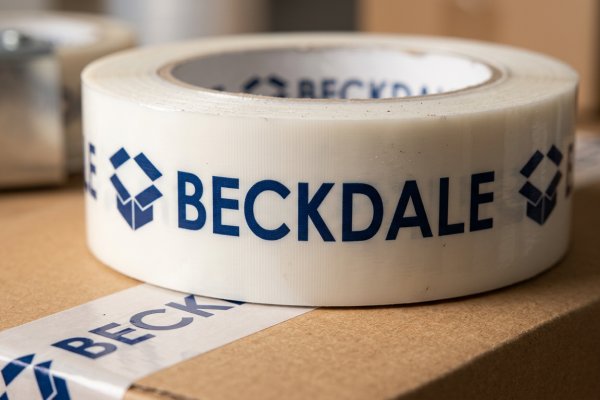
Fully branded packaging creates memorable unboxing experiences but comes with higher unit costs and minimum order quantities. For businesses seeking low cost fulfilment, consider a hybrid approach: plain outer packaging with branded inserts, stickers, or tissue paper that deliver brand impact at a fraction of custom box costs.
This strategy also provides flexibility when managing imports—you're not committing valuable container space to bulky branded boxes or tying up capital in excessive packaging inventory.
Evaluating Low Cost Fulfilment Providers
Not all low cost fulfilment offers equal value. Some providers achieve low prices through service shortcuts that ultimately damage your business. Understanding what differentiates genuine value from false economy protects your brand.
Questions to Ask Potential Partners
When evaluating fulfilment providers, particularly those positioning themselves as low cost options, ask:
- What exactly is included in the quoted rates, and what incurs additional charges?
- How do they handle peak periods when order volumes spike?
- What service level agreements govern order processing times?
- How is inventory accuracy maintained and verified?
- What happens when products arrive damaged or orders contain errors?
- Can they scale as your business grows without major cost increases?
Transparency around these questions reveals whether a provider can genuinely deliver sustainable low cost fulfilment or if corner-cutting will create expensive problems down the line.
Understanding Pricing Models
Fulfilment pricing varies considerably between providers. Some charge comprehensive per-order fees covering all activities, whilst others itemize every component. Neither approach is inherently better, but understanding your business profile helps identify which suits you best.
Use tools like a pricing calculator or review pricing examples to model different scenarios. Calculate total monthly costs across various order volumes to understand how pricing scales with your growth.
Making Low Cost Fulfilment Work for Your Business
Achieving genuinely low cost fulfilment requires active partnership between your business and your fulfilment provider. It's not simply about negotiating the lowest possible rates but optimizing the entire operation for efficiency.
Accurate Demand Forecasting
Maintaining appropriate inventory levels prevents both stockouts and excess storage costs. While conservative businesses might over-order to avoid disappointing customers, this approach ties up capital and increases storage fees unnecessarily.
Share sales forecasts with your fulfilment partner, particularly around promotional periods, seasonal peaks, or new product launches. This visibility allows them to plan resources appropriately, often resulting in better service at no additional cost.
Streamlining Product Ranges
Every additional SKU increases operational complexity and cost. Regularly reviewing your product range to identify slow-moving items helps focus inventory investment on proven sellers. This doesn't mean eliminating variety, but being strategic about which products justify warehouse space and operational attention.
Leverage Multi-Channel Capabilities
If you sell through multiple channels—your own website, Amazon, retail partners—consider whether consolidating fulfilment creates efficiencies. Managing FBA, FBM, and website orders through one website fulfilment provider can reduce overall costs whilst simplifying inventory management.
Conclusion: Is Low Cost Fulfilment Worth It?
The answer depends entirely on how you define "low cost." If you're simply seeking the cheapest headline rate without considering service quality, technology capabilities, or hidden fees, you'll likely discover that cheap fulfilment becomes expensive through errors, delays, and customer dissatisfaction.
However, if you approach low cost fulfilment as a strategic optimization exercise—leveraging locations like Leicester for geographic advantage, managing imports efficiently, implementing smart packaging solutions, and partnering with capable providers—then yes, it's absolutely worth pursuing.
The most successful D2C brands recognize that fulfilment costs aren't just an expense to minimize but an investment in customer experience. Finding partners who understand this balance, offering competitive pricing without compromising reliability, positions your business for sustainable growth in an increasingly competitive marketplace.
Whether you're importing containers quarterly or processing thousands of orders weekly, the fundamentals remain constant: understand your true costs, optimize every component, choose partners wisely, and never sacrifice customer experience for marginal savings. This approach delivers genuine low cost fulfilment that supports rather than undermines your business objectives.