Understanding the Importance of Cost-Effective Shipping Solutions
In today's competitive e-commerce landscape, shipping costs can significantly impact your bottom line. Whether you're operating from Leicester, Manchester, London, or Birmingham, finding ways to reduce courier expenses while maintaining service quality is essential for business success. DHL, as one of the world's leading logistics providers, offers numerous opportunities for cost optimization when you understand their systems and implement strategic best practices.
For businesses utilizing UK Fulfilment services, mastering the art of low-cost shipping isn't just about finding the cheapest option—it's about creating an efficient, sustainable system that benefits both your business and your customers. This comprehensive guide explores the top 10 best practices that will help you achieve significant savings on your DHL shipping operations.
1. Optimize Your Packaging Strategy
One of the most effective ways to reduce DHL shipping costs is through intelligent packaging optimization. Every millimeter and gram counts when it comes to courier charges, making this a critical area for cost reduction.
Right-Sizing Your Packages
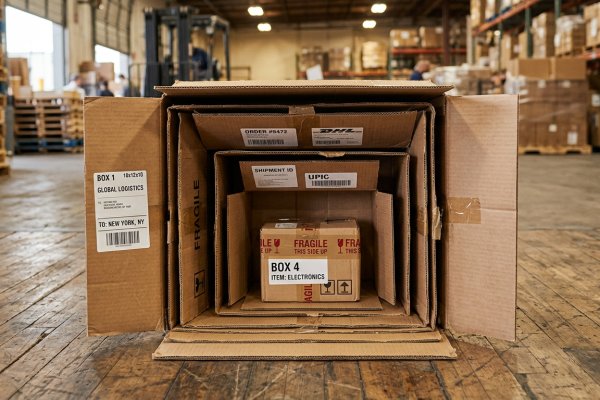
DHL calculates charges based on both actual weight and volumetric weight, taking whichever is greater. By selecting packaging that fits your products snugly without excess space, you can dramatically reduce volumetric weight charges. Many businesses working with Contract Packing services have discovered that reducing package dimensions by just a few centimeters can drop them into a lower price bracket.
- Measure products accurately and maintain a library of optimal package sizes
- Consider custom-sized boxes for frequently shipped items
- Use lightweight yet protective materials to minimize actual weight
- Eliminate unnecessary void fill while ensuring product protection
2. Leverage Volume Discounts and Account Benefits
DHL offers substantial discounts for businesses that ship regularly and in volume. Establishing a business account rather than using casual shipping services can unlock significant savings.
When working with a UK 3PL provider, you benefit from their negotiated rates based on combined shipping volumes across multiple clients. This collective bargaining power often results in rates that individual businesses couldn't achieve independently, making professional fulfilment services surprisingly cost-effective even when factoring in their fees.
Building Strategic Partnerships
Businesses shipping from distribution centers in Leeds, Bristol, or Leicester should explore DHL's account management services. Account managers can review your shipping patterns and suggest customized solutions that align with your specific needs, potentially unlocking additional discounts or services you weren't aware existed.
3. Master the Art of Service Level Selection
Not every shipment requires express delivery. Understanding DHL's various service levels and matching them appropriately to customer expectations represents a major opportunity for cost optimization.
Service Tier Breakdown
DHL offers multiple service tiers, from economy options taking 3-5 days to express services delivering next day or even same day. The price difference between these services can be substantial—sometimes 50-70% or more. Through effective Courier Services management, you can create rules-based shipping logic that automatically selects the most cost-effective option.
- Use economy services for non-urgent restocks and B2B deliveries
- Reserve express services for time-sensitive orders or premium customers
- Offer customers service level choices at checkout with transparent pricing
- Monitor delivery performance to ensure economy services meet standards
4. Implement Address Validation and Verification Systems
Failed deliveries and address corrections are expensive. DHL charges for redelivery attempts, address corrections, and returns, making address accuracy a critical cost-control measure.
Modern Data Flow systems can validate addresses in real-time during the checkout process, catching errors before they become costly problems. This is particularly important for businesses serving customers across Glasgow, Edinburgh, Cardiff, and other UK cities where address formats vary.
Prevention Strategies
- Integrate address verification APIs into your checkout process
- Require phone numbers for all shipments to enable carrier contact
- Send proactive shipping notifications to encourage customer availability
- Maintain clean customer databases with regularly updated information
5. Consolidate Shipments When Possible
For businesses engaged in B2B Fulfilment, shipping consolidation offers tremendous savings opportunities. Rather than sending multiple small shipments to the same customer or location, combine orders into single deliveries.
This practice works exceptionally well for retail customers who place frequent orders, wholesale clients receiving regular stock replenishments, or businesses with multiple departments at the same address. The per-unit shipping cost decreases significantly when orders are consolidated, and customers often appreciate receiving everything together.
6. Utilize Zone-Skipping Strategies
DHL's pricing structure is heavily influenced by shipping zones—the distance between origin and destination. Zone-skipping involves using ground transportation to move bulk shipments closer to final destinations before handing them to DHL for final delivery.
Strategic Distribution Network Planning
For businesses operating from a single UK Warehouse location like Leicester, consider whether your shipping patterns justify using DHL's network strategically. If you have significant order volumes going to Scotland, for instance, bulk-shipping pallets to a northern hub before individual parcel distribution can reduce zone-based charges considerably.
7. Optimize Your Returns Management Process
Returns are unavoidable in e-commerce, but how you manage them significantly impacts costs. DHL charges for return shipments, and inefficient returns processes compound these expenses through additional handling and processing time.
Businesses specializing in Clothing or Beauty products, which typically have higher return rates, should implement streamlined returns processes that minimize costs while maintaining customer satisfaction.
Cost-Effective Returns Strategies
- Establish clear return policies that discourage frivolous returns
- Use DHL's return service options rather than standard shipping
- Process returns quickly to enable resale and prevent markdown losses
- Analyze return reasons to address underlying product or description issues
- Consider partial refunds or exchanges to avoid shipping costs entirely
8. Invest in Accurate Shipping Software and Automation
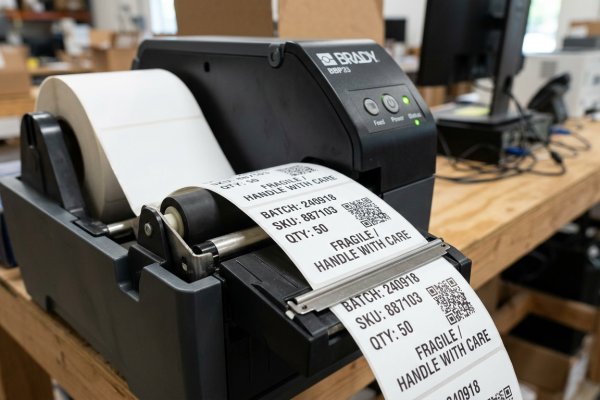
Manual shipping processes are prone to errors and inefficiencies that drive up costs. Modern shipping software integrates directly with DHL's systems, enabling real-time rate shopping, automatic label generation, and shipment tracking.
Whether you're managing Business to Consumer operations or sophisticated Fulfilled By Amazon workflows, automation reduces labor costs, eliminates keying errors, and ensures you're always getting the best available rate for each shipment.
Key Automation Features
- Real-time rate comparison across DHL service levels
- Automatic service level selection based on destination and requirements
- Batch label printing for high-volume operations
- Integration with inventory management for accurate order fulfillment
- Automated tracking notifications to reduce customer service inquiries
9. Monitor and Analyze Shipping Data Regularly
What gets measured gets managed. Regular analysis of your shipping data reveals opportunities for optimization that aren't immediately obvious in day-to-day operations.
Businesses should review monthly shipping reports examining total costs, cost per package, average package weight and dimensions, service level distribution, and zone distribution. This data-driven approach, combined with robust Stock Traceability systems, enables continuous improvement in shipping efficiency.
Key Performance Indicators to Track
- Average shipping cost per order and per item
- Percentage of orders using each service level
- Failed delivery rate and reasons
- Package weight and dimensional optimization opportunities
- Regional shipping pattern analysis for distribution planning
10. Consider Full-Service Fulfilment Partnerships
For many businesses, partnering with a professional Fulfilment Warehouse provider offers the most comprehensive approach to reducing shipping costs while improving service quality. These specialized operations combine volume discounts, operational expertise, and established carrier relationships to achieve economies of scale individual businesses cannot match.
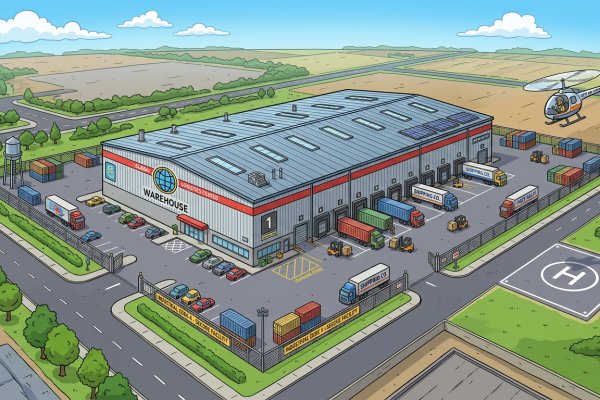
Professional fulfilment centers like www.beckdaleshipping.co.uk in Leicester maintain relationships with multiple carriers including DHL, enabling them to select the optimal carrier and service level for each shipment. They also bring expertise in areas like Expiry and Batch Numbers management for businesses in the Food industry or specialized handling for premium products.
Benefits of Professional Fulfilment Partnerships
- Access to negotiated carrier rates based on collective volume
- Professional packing expertise minimizing dimensional weight charges
- Strategic location selection for optimal shipping zones
- Sophisticated technology for automation and optimization
- Scalability without capital investment in warehouse space or systems
Calculating Your Potential Savings
Understanding the financial impact of implementing these best practices helps justify the time and resources required. Using tools like a Pricing Calculator or reviewing Pricing Examples specific to your business model provides concrete insights into potential savings.
Many businesses implementing these strategies report shipping cost reductions of 15-40% within the first year, with ongoing incremental improvements as processes mature and data analysis becomes more sophisticated. For a business shipping 1,000 packages monthly with an average DHL cost of £8 per package, even a conservative 20% reduction represents annual savings of £19,200—a significant impact on profitability.
Implementation Roadmap
Implementing these best practices doesn't require simultaneous action on all fronts. Start with the areas offering the greatest immediate impact for your specific business model, then gradually incorporate additional optimizations.
Quick Wins for Immediate Impact
Begin with packaging optimization and service level selection, as these typically require minimal investment while delivering substantial returns. Businesses across Liverpool, Newcastle, and Southampton have achieved rapid results by focusing first on these foundational elements.
Medium-Term Improvements
Invest in software systems and establish DHL account relationships. These require more upfront effort but create ongoing benefits that compound over time.
Long-Term Strategic Initiatives
Consider distribution network optimization, fulfilment partnership evaluation, and comprehensive automation implementation as part of your strategic planning process.
Conclusion
Reducing DHL shipping costs while maintaining service quality requires a systematic approach combining tactical optimizations with strategic planning. By implementing these top 10 best practices, businesses can achieve significant cost savings while improving customer satisfaction through reliable, efficient delivery.
Whether you're managing shipping in-house or considering partnership with a specialized UK 3PL Fulfilment provider, the principles remain constant: optimize packaging, leverage volume discounts, match service levels to needs, ensure address accuracy, consolidate when possible, consider zone-skipping strategies, streamline returns, automate processes, analyze data continuously, and evaluate whether professional fulfilment partnerships might serve your business better than in-house operations.
The competitive advantage gained through shipping efficiency extends beyond mere cost reduction—it enables you to offer better prices to customers, maintain healthier margins, and reinvest savings into business growth. In an e-commerce environment where delivery experience significantly influences customer loyalty, mastering low-cost DHL shipping represents both a defensive necessity and an offensive opportunity for market differentiation.